Bed Alarms: Features, Types, and Recommendations
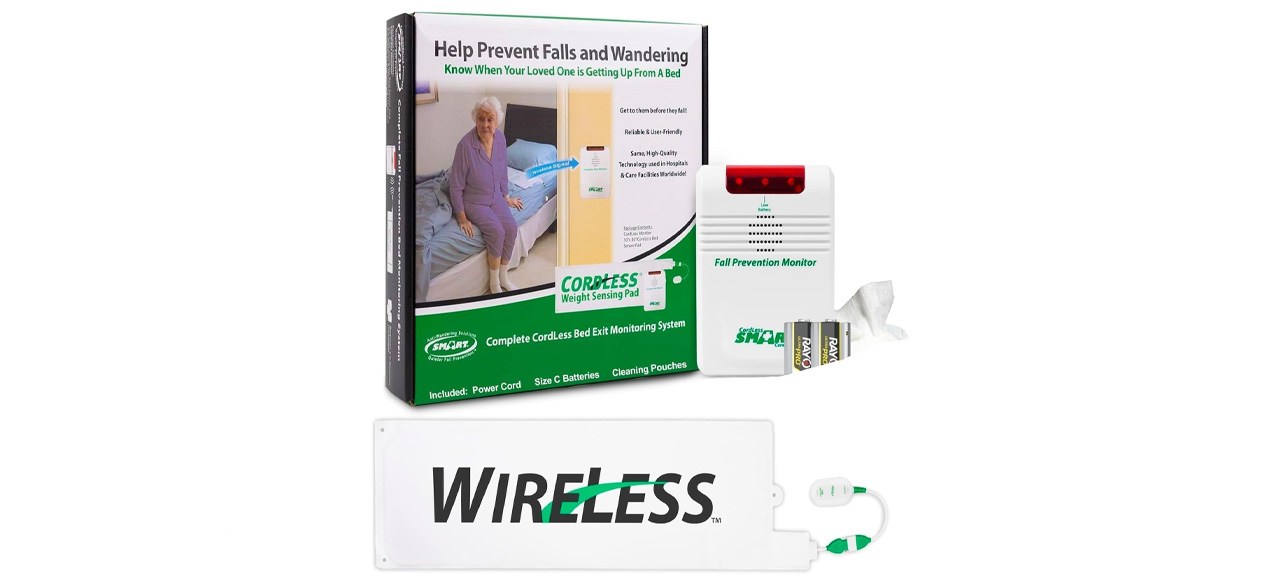
Bed alarms offer peace of mind when you cannot continuously monitor someone under your care. They vary in forms and features, ensuring patient safety. Among various options, the Smart Caregiver Wireless Bed Alarm System is a top choice due to its wireless monitor with a range of up to 300 feet, minimizing disruption for the patient.
Understanding Bed Alarm Types
There are three primary types of bed alarms to consider:
- Clip Alarms: These attach to a patient’s clothing. The alarm activates if its attachment to the monitor gets pulled out. They are typically inexpensive and simple. However, patients must agree to use them, as they can easily detach them.
- Motion Alarms: These identify movement in designated zones, such as bed edges or room thresholds. They can be interconnected to cover multiple areas, providing thorough surveillance. Although pricier, they trigger a response to any detected movement.
- Pad Alarms: Commonly used due to their ease and affordability. Placed under the patient, they sound an alarm when pressure is not detected. Despite their benefits, they may cause discomfort.
Power Sources
Most bed alarms operate on batteries, eliminating cord-related hazards and ensuring functionality during power outages.
Key Features of Quality Bed Alarms
To choose a quality bed alarm, consider:
- Sensitivity: Appropriate sensitivity is crucial. For instance, pad alarms should have low sensitivity if the patient frequently moves.
- Alarm Delay: Beneficial for patients who move often, delays prevent false alarms if the patient returns promptly.
- Wireless Capability: Wireless alarms minimize trip hazards and can be moved outside the room, provided the range is sufficient.
- Volume and Tone: Adjustable volume and a choice of tones ensure balance between patient comfort and caregiver alertness.
- Call Function: Some alarms include call buttons, which may signal for assistance or facilitate communication.
- Waterproofing: Essential for pad alarms used by incontinent patients or those who spill liquids.
- Status Lights: These indicate vital statuses, commonly battery level and alarm triggers.
Cost and Durability
Bed alarm prices range from $20 to over $200. Affordable options are usually under $50, while average models are around $50 to $100. Feature-rich alarms start at approximately $150.
The lifespan depends on the alarm type. Pad alarms typically last a year, whereas other types rely on battery longevity and overall wear.
Magnet Safety Concerns
Magnet-based alarms are unsafe for patients with pacemakers. Always confirm that your alarm choice avoids magnet usage.
Recommended Bed Alarm Choices
Smart Caregiver Wireless Bed Alarm System: It keeps the alarm outside the room, ensuring caregiver awareness without disturbing the patient. Features include a weight-sensitive pad, a soft vinyl exterior, foam interior, and spill protection.
Patterson Medical Sammons Preston Magnet Bed Alarm: A budget-friendly and compact clip-alarm with adjustable cord length. It includes indicators for triggered alarms and low battery.
Secure Bed Exit Alarm Set: Offers delay features to reduce false alarms and turns off when the patient returns. The pad is fluid-proof, latex-free, and suitable for incontinence management.
Note that prices may fluctuate after publication. Explore current deals and subscribe to our newsletter for shopping inspiration and sales updates.
Our team at BestReviews devotes extensive time to analyzing and testing products to present optimal choices to consumers. Purchases through our links may earn us a commission.