Bipartisan Bill Aims to Reform College Sports
Two influential senators, Ted Cruz from Texas and Maria Cantwell from Washington, have introduced a bipartisan bill aiming to address ongoing issues in college sports. This proposed legislation seeks to regulate payments to players, allow them one unrestricted transfer during their careers, and introduce measures to control coach movements during the season. The bill, named the Protect College Sports Act, comes as a response to the challenges faced by the college sports system.
Stability and Regulation
Senator Cruz emphasized the bill’s focus on stability, beyond merely addressing name, image, and likeness (NIL) payments. These payments have led to substantial payrolls and significant changes in the industry. Senator Cantwell, highlighting their collaborative effort, pointed out the current chaos in the college sports system. The bill incorporates elements from previous legislative proposals like SCORE and SAFE, which failed to progress in the Senate. It includes provisions supported by the NCAA, such as limited antitrust exemptions and preemption of fragmented state NIL laws.
Meredith Page, chair of the NCAA Division I Student Athlete Advocacy Committee, praised the bill as a significant step toward stabilizing what is currently a volatile landscape. NCAA President Charlie Baker expressed readiness for further discussions with Congress regarding the bill.
Addressing Antitrust and Player Transfers
The legislation offers targeted antitrust protection for the NCAA and related organizations. This provision aims to ease financial pressures as the college sports world deals with rising player payment costs and a chaotic transfer portal. The bill proposes public-facing protections for athletes, including health insurance and scholarships, along with stricter NIL deal regulations.
For player movement, the bill limits athletes to one unrestricted transfer during their college careers. It mirrors a five-year eligibility period that the NCAA plans to adopt soon. The proposal also seeks to regulate coaching changes midseason, exemplified by the sudden move of Lane Kiffin last season, to prevent unfair practices similar to those avoided by the NFL.
Media Rights and Conference Revenue
The bill modifies the Sports Broadcasting Act, allowing conferences to pool television rights. Proponents suggest this move could generate substantial revenue, although some leagues are skeptical. Participation in media pooling would require contributing a portion of increased revenues to support women’s and Olympic sports.
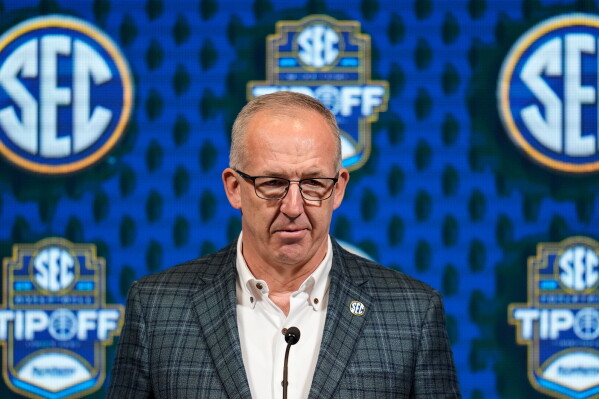
Notably, the SEC and other conferences are evaluating the bill, with SEC Commissioner Greg Sankey acknowledging the importance of bipartisan involvement in Washington on these matters.
Challenges and Skepticism
The bill faces hurdles, especially with components that Democrats previously opposed in the SCORE Act. While the new legislation remains neutral on whether college athletes should be classified as employees, some complaints persist. Senator Chris Murphy critiqued the bill’s provision for NCAA antitrust exemptions, arguing it favors organizational leaders over athletes.
Mit Winter, a Missouri attorney specializing in sports law, expressed skepticism about the bill’s chances of passing without alterations, given its broad scope and contentious elements regarding antitrust exemptions and athlete compensation.