Brain Changes Occur Years Before Alzheimer’s Detection
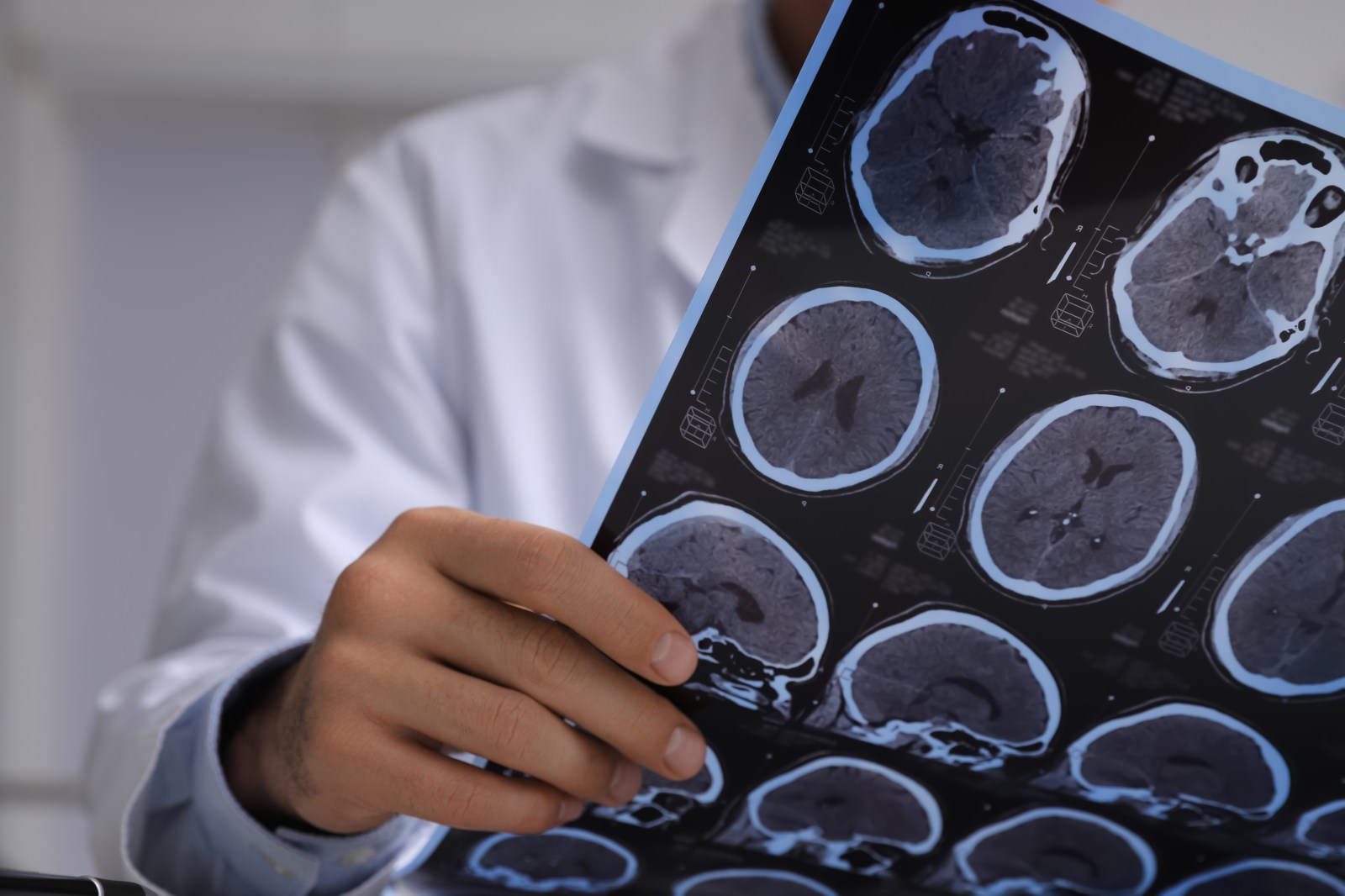
Changes in the brain associated with Alzheimer’s disease might begin more than seven years before current imaging techniques can detect the condition. Historically, the presence of amyloid plaques on amyloid-PET scans has been considered the earliest detectable sign of Alzheimer’s. However, new research shows structural changes visible on MRI scans occur much earlier.
The study monitored cognitively healthy older adults without memory or thinking problems. Participants had multiple MRI brain scans over almost twenty years. Within this period, some individuals developed amyloid plaques while others did not. Researchers pinpointed when plaques first appeared on PET scans and then reviewed MRI scans from the preceding 10 years. They discovered that individuals who later developed plaques already showed measurable structural brain changes years beforehand.
Findings show these changes happened at least seven years prior to plaques appearing on scans, representing the earliest brain-imaging signal tied to Alzheimer’s. Published in Nature Neuroscience, the study prompts questions about defining the disease’s onset. If Alzheimer’s changes begin before plaques appear, current methods may overlook a substantial part of the disease process.
Study authors propose two potential explanations. One is that biological processes linked to Alzheimer’s impact the brain prior to plaque detection, potentially contributing to plaque formation or coinciding with early plaque-related changes invisible to current imaging. Alternatively, distinct biological mechanisms might trigger brain changes before amyloid buildup starts.
If accurate, these findings could expand the search for new treatment targets beyond amyloid. Dr. Lucy Hooper, co-founder of Coyne Medical, believes the findings could change intervention timing. “Showing Alzheimer’s develops over years means the window to prevent or delay the disease is longer,” Hooper stated.
Previous research suggests cerebrospinal fluid and blood changes appear decades before brain scans identify amyloid buildup, supporting Alzheimer’s early onset theory. Hooper highlights several biological processes explaining why structural brain changes arise before detectable plaques.
“Amyloid in the brain is detected by PET scans, a special type of brain scan,” Hooper explained. “But many changes occur before amyloid is seen.” Soluble amyloid forms might harm brain connections before appearing as plaques. She noted that inflammation, immune cell changes, blood vessel alterations, and glymphatic system disturbances could happen independent of plaque buildup.
These findings might influence efforts to enhance diagnosis and treatment. “The more we understand of the biology, the better we will be at diagnosing and hopefully preventing Alzheimer’s,” Hooper said. While blood testing for plasma p-tau217 accelerates Alzheimer’s diagnosis, it isn’t flawless since false positive and negative results occur.
Improving biological markers, Hooper believes, could lead to new therapies aimed at reducing or preventing Alzheimer’s. Though current treatments primarily target amyloid, researchers are exploring alternatives addressing inflammation, metabolic changes, and the glymphatic system.