Brazil’s High-Stakes Presidential Election: A Rematch with a Twist
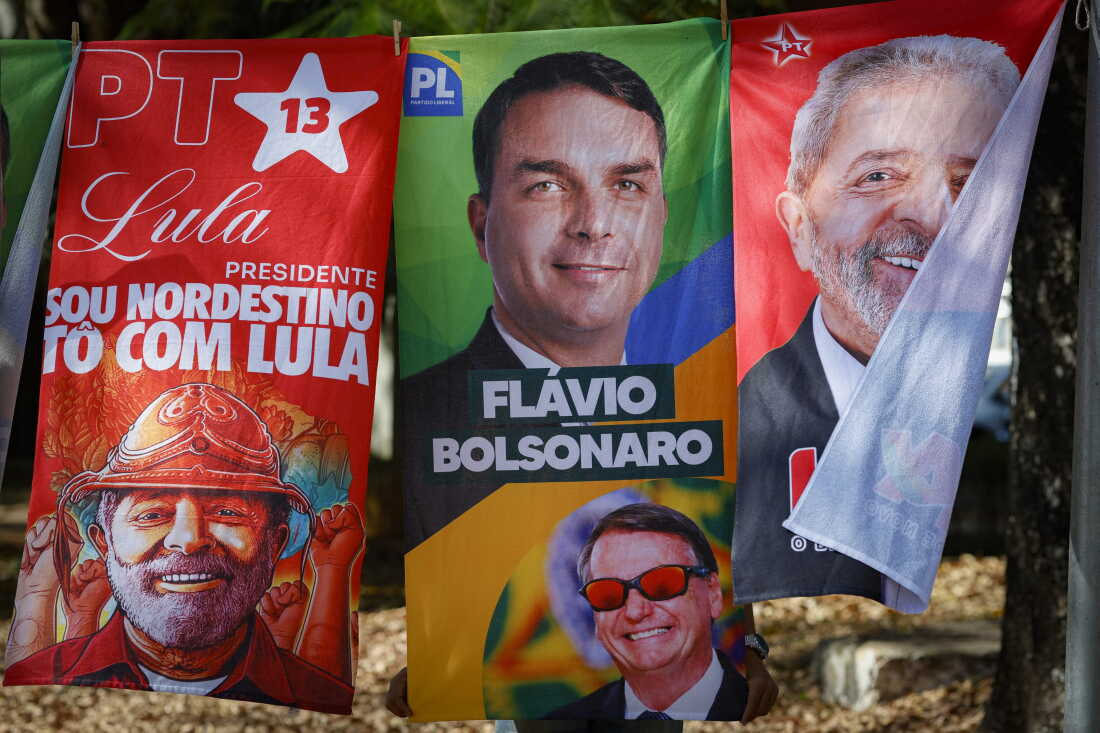
On September 11, 2026, in Brasília, merchandise like towels and caps with images of Brazilian presidential candidates Luiz Inácio Lula da Silva and Flávio Bolsonaro were prominently displayed. Brazil’s crucial presidential election is set for October 4, 2026.
In a significant rematch, President Luiz Inácio Lula da Silva finds himself facing Flávio Bolsonaro. Flávio is the son of Jair Bolsonaro, whom Lula beat in 2022. Flávio, a 45-year-old senator, continues his father’s political legacy into this election. Jair Bolsonaro, now imprisoned for a 27-year term for plotting a coup to challenge the loss, remains a potent figure. Flávio pledges to pardon his father if elected, branding himself as a ‘more moderate Bolsonaro.’
Lula, aged 80, seeks his fourth presidential term. This election will decide if Brazil continues with Lula’s leftist government or reverts to the Bolsonaro influence. Beyond this, the president will appoint four Supreme Court justices, shaping the legal landscape for years. Economic, environmental, and diplomatic trends also hinge on this outcome.
The Election Timeline
Polls indicate a close race between Lula and Flávio among other contenders. Federal and state seats, including governorships, are also contested. If no candidate secures more than 50% of the vote on election day, a runoff between the top two candidates is scheduled for October 25. With electronic voting machines, results are expected promptly, likely clarifying the runoff participants by Sunday night.
Legacy and Challenges
Jair Bolsonaro’s narrow loss in 2022 became mired in controversy after his failed coup, now serving a prison term. Flávio’s commitment to pardon Jair raises issues about democratic stability. Meanwhile, Lula’s own past involved significant legal challenges, though his convictions were annulled in 2021 on procedural grounds. Supporters from both camps remain passionate, reflective of Brazil’s deep political divides since the economic crisis of the mid-2010s.
Domestic Concerns
Voters are also deeply concerned about local issues like crime and corruption. Flávio supports a hard-line crime approach, potentially involving the U.S. military. Lula favors targeted operations against gang financiers. Corruption remains an issue, with recent scandals linking politicians and a jailed ex-banker. Economic factors weigh heavily, too. Lula’s policies initially drove growth but slowed later, while Bolsonaro advocates reducing national debt by cutting spending.
U.S. Influence
The U.S. features prominently in the election narrative. Flávio’s rallies have shown U.S. flags, echoing ties to Trump’s administration. Brazil’s relationships with the U.S. are a point of contention, particularly with past tariff disputes. Lula has resisted U.S. pressure, criticizing its policy toward Venezuela and accusing it of election interference—a claim the U.S. denies.
A tight election result could see Bolsonaro supporters questioning outcomes, potentially seeking U.S. support against alleged voting irregularities. Flávio’s win may bolster conservativism, echoing shifts across South America.
Brazil’s Democratic Moment
As the largest democracy in Latin America, Brazil’s political direction impacts global trends. With its economic size, participation in G20, and role in BRICS, Brazil’s election significance extends internationally, affecting trade, climate policy, and geopolitical alignments.