Brazil’s Presidential Runoff: A Battle Between Lula and Bolsonaro
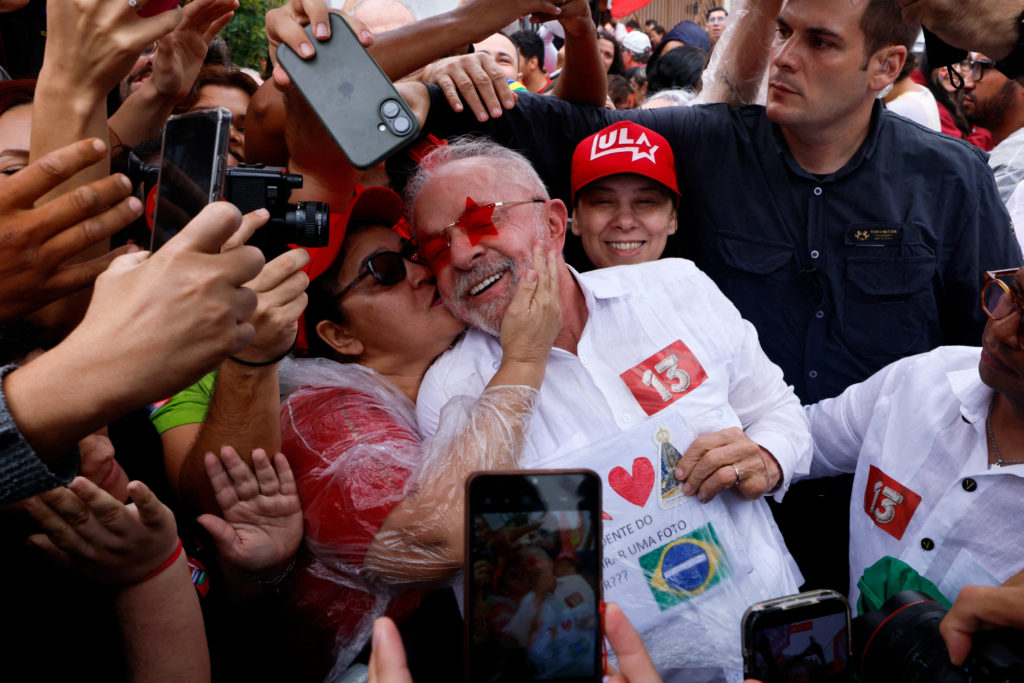
Brazil’s voters headed to the polls for a decisive presidential runoff between incumbent President Luiz Inácio Lula da Silva and Flávio Bolsonaro. This election will shape U.S. influence in Latin America. Recent polls showed the candidates in a close race, needing over 50% of the vote to secure leadership in January.
Candidates’ Backgrounds
Lula, a veteran left-of-center politician, faces Bolsonaro, an ally of U.S. President Donald Trump and son of ex-President Jair Bolsonaro. Flávio Bolsonaro led the first round of voting by more than 2.2 million votes. Despite compulsory voting in Brazil, over 33 million eligible voters did not participate.
Distinct Ideological Stances
The candidates differ sharply on issues like U.S.-Brazil relations, climate change, and social welfare. Bolsonaro’s win would turn Brazil rightward, aligning with recent victories by Trump allies in Chile, Peru, and Colombia. Lula’s victory would pair Brazil with Mexico’s left-of-center leadership. This runoff mirrors previous tight matchups between polarized political factions.
Concerns over Security and Cost of Living
President Lula’s reelection bid faced criticisms due to security and cost of living issues. Bolsonaro emphasized his tough-on-crime stance and plans to reduce food prices. Both candidates have faced corruption allegations involving family or allies. Bolsonaro admitted to accepting $12 million from ex-banker Daniel Vorcaro for a controversial film.
During voting, tensions were palpable with Bolsonaro supporters chanting accusations against Lula, and Lula’s supporters backing him vocally. Bolsonaro criticized Lula’s trajectory and promised changes, while Lula painted Bolsonaro and his father’s house arrest as threats to democracy.
Judiciary and Economic Proposals
The incoming president will appoint at least three Supreme Court justices. Bolsonaro advocates judiciary reform, targeting corruption scandals within the top court. Lula, appealing to undecided voters, promoted initiatives like a debt relief program for small businesses and incentives like free weekend public transport.
Lula expressed gratitude for public support post-voting, underscoring his historical connection with people from his political birthplace, São Bernardo do Campo.
Different Voter Motivations
Lula’s supporters appreciate his advocacy for marginalized groups. Luzia da Souza, a local bar owner, expressed admiration for Lula’s empathetic track record. Anderson Falcão, a journalist, criticized Bolsonaro’s exclusionary policies, praising Lula’s efforts toward inclusive Brazilian progress.
Bolsonaro’s voter base, donning national colors, demands change. Fabianne Borges Santoro switched allegiance due to dissatisfaction with past Workers’ Party governance, citing economic and security concerns.
The Impact of Third-party Voters
Third-party voters like Kelvin Gomes Pimental hold potential sway in the runoff. Initially preferring a third-party candidate, he chose Lula over dissatisfaction with Bolsonaro’s governance.
Alisson Freitas used an early shift to participate in this crucial round, reflecting a disappointment under Bolsonaro’s administration despite current economic challenges.
U.S. Influence and Economic Strategies
Lula criticized U.S. intervention risk under Trump’s administration, pointing to previous high tariffs and classification of drug groups as foreign terrorists, potentially to undermine Lula’s crime stance.
Bolsonaro emphasized his U.S. ties for economic betterment, especially concerning Brazil’s substantial mineral resource deposits.
The electronic voting results will be swiftly available once polls close. Observers from Sao Paulo and Brasilia contributed to reporting.