Brazil’s Strategic Shift: Tensions with the U.S. and Growing Ties with China
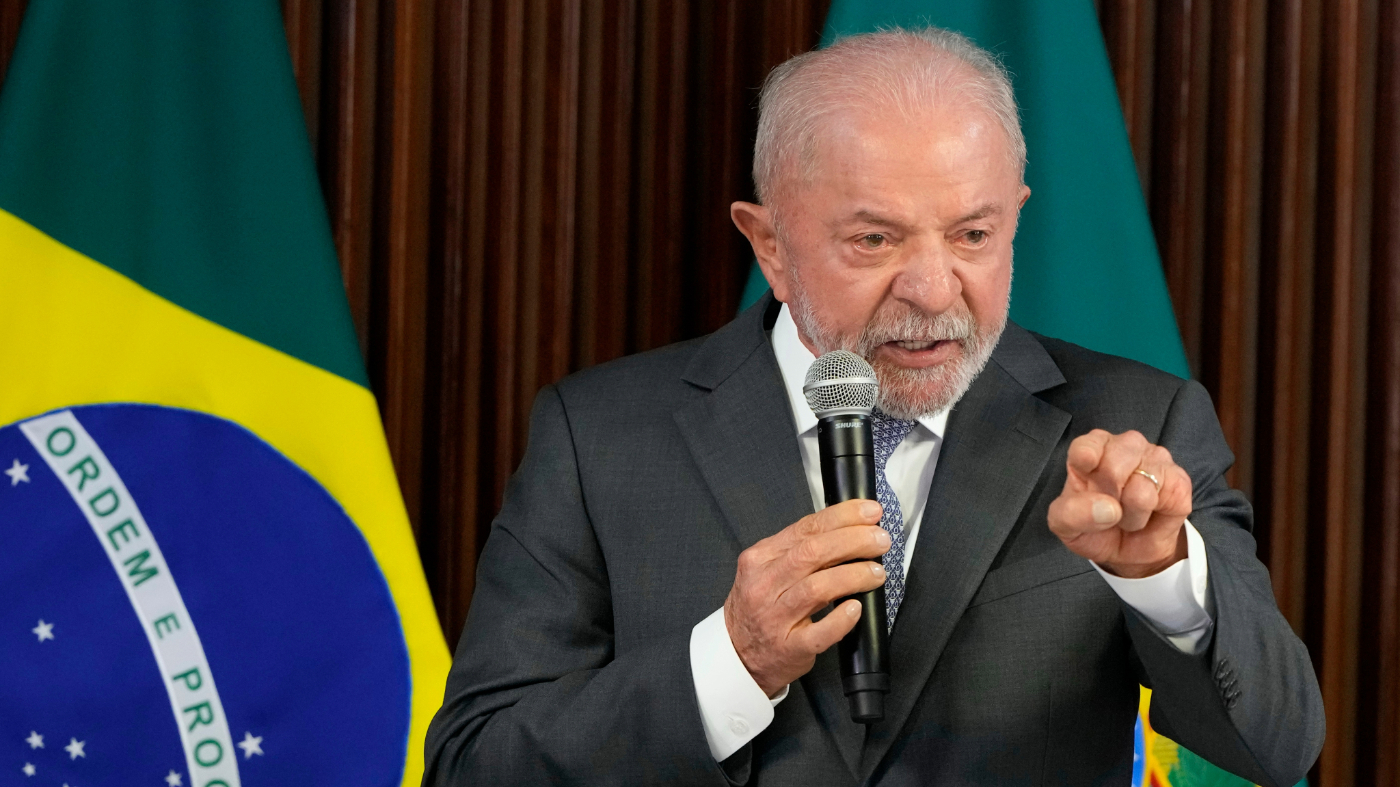
Brazilian President Luiz Inacio Lula da Silva has heightened his confrontation with the United States while increasingly relying on China. This shift could have significant impacts on Brazil’s economy, security, and sovereignty.
Rising Tensions with the U.S.
Recently, Lula intensified his rhetoric against the U.S., describing Secretary of State Marco Rubio as a “frustrated Latin American” and “mortal enemy.” This reaction came after the U.S. imposed 25 percent tariffs on Brazilian goods due to what it labeled as unfair trade practices, and labeled Brazilian gangs, namely Primeiro Comando da Capital and Comando Vermelho, as terrorist organizations.
The U.S. remains Brazil’s second-most important trading partner. In 2023, exports of goods and services from the U.S. to Brazil reached $37.9 billion, while imports from Brazil were $36.9 billion, culminating in a total trade of $74.8 billion.
Increasing Dependence on China
As Lula seeks to distance Brazil from the U.S. dollar, the country is growing increasingly reliant on China. Brazil plans to issue “panda bonds” denominated in yuan, thereby enhancing financial engagement with China. Much of Brazil’s iron ore, soybeans, and oil are already exported to Beijing, and this move could limit Brazil’s market flexibility.
This partnership extends beyond economics. Earlier in the year, Brazil welcomed China’s military hospital ship, Silk Road Ark, and both countries participated in joint maritime exercises. Furthermore, Brazil and China face scrutiny over labor conditions akin to modern slavery, underlined by the illegal employment of 163 Chinese citizens at a BYD car factory site.
The alliance is also expanding into space technology. Brazil and China are collaborating on the Joint Radio Astronomy Technology Laboratory and constructing South America’s largest radio telescope, “BINGO.” Critics argue China’s intentions involve enhancing military capabilities within the hemisphere.
Telecommunications and Security Concerns
In telecommunications, Brazil continues its association with Huawei, a company accused of espionage by several nations, including the U.S. Former Senator Rubio previously warned that Huawei poses risks of nuclear command interference and has been implicated in technology theft from U.S. companies.
Lula’s stance on drug trafficking has also been contentious. Brazil was excluded from the U.S.-led “Shield of the Americas” initiative, aimed at combating organized crime, and he has opposed labeling local gangs as terrorist entities.
Implications of the Strategic Shift
Brazil’s increasing reliance on China raises concerns over undue influence in areas like telecommunications, space security, and financial markets. Dependency on China exposes Brazil to economic fluctuations of a single partner.
For Brazil to enhance its global position, it may need leadership that prioritizes national interests over ideological leanings. Confrontation with the U.S. seems unproductive and reliance on China poses risks to Brazil’s economy and regional security.
Arturo McFields is a journalist in exile, former Nicaraguan ambassador to the Organization of American States, and an alumnus of various defense and leadership programs.
Copyright 2026 Nexstar Media Inc. All rights reserved.