Brexit’s Lasting Impact on UK Politics and Society
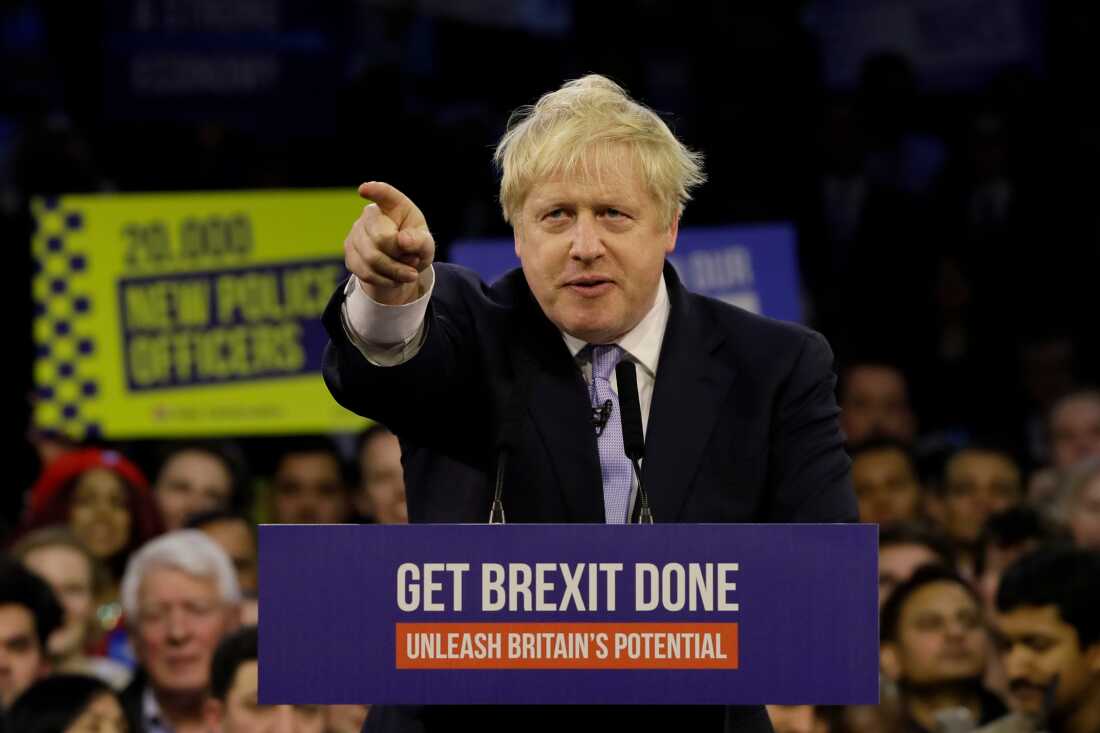
On June 23, 2016, the United Kingdom voted to leave the European Union, an event that significantly altered both the EU and British political landscapes. Since then, the UK has seen a rapid turnover of leadership, with Boris Johnson being its seventh prime minister. The decision to exit the EU won by a narrow margin of 52% to 48%, prompting major changes in government.
David Cameron, the Conservative Prime Minister who initiated the referendum while supporting the stay campaign, resigned the following day. Subsequent leaders have struggled with the aftermath of Brexit. The latest, Labour Prime Minister Keir Starmer, announced his resignation after two years marked by economic challenges and a divided electorate. The complex legacy of Brexit continues to influence UK politics.
Brexit’s Promises and Reality
Brexit campaigners assured voters that leaving the EU would allow the UK to gain control over its laws, economy, and borders. They presented a vision of a brighter future, as articulated by Boris Johnson, a key figure in the campaign, who described Brexit as a ‘once-in-a-lifetime chance’. The ‘remain’ camp, however, warned of economic challenges.
According to Margaret MacMillan, a historian, Brexit drew support from varied motivations, including a nostalgic view of the past and concerns about immigration and EU regulations. However, the specifics of Brexit’s implications were not thoroughly explained to the public.
The Challenges of Implementing Brexit
The optimistic promises of controlling immigration and securing trade deals met with challenging realities. Prolonged negotiations tested the patience of both sides. After officially exiting on January 31, 2020, the UK underwent a transition period.
Theresa May, Cameron’s successor, resigned in 2019 due to disagreements on exit terms. Johnson replaced her and vowed to complete Brexit, managing a minimal trade agreement. Despite this, relations with the EU remained tense, leading to his eventual ousting. Liz Truss followed briefly, succeeded by Rishi Sunak, who aimed to improve EU relations slightly.
Labour’s Starmer aimed to reset relations but avoided rejoining the single market. As he departs, the Brexit question remains unresolved.
Political Divisions and Emerging Alternatives
Historian Anthony Seldon notes that Cameron’s referendum was intended to clarify the UK’s relationship with Europe but only deepened internal party divides. Within the Conservatives, pro-EU members were expelled in favor of Brexit supporters. Labour also faces internal conflict between pro-EU members and leaders seeking stability.
The political landscape has shifted, with voters leaving major parties for smaller alternatives like the Green Party and Farage’s Reform UK, which capitalized on post-Brexit disillusionment. Farage advocates for stricter immigration control, resonating with segments of the electorate.
Eroding Trust and Rising Tensions
The UK economy has faced hurdles beyond Brexit, such as the COVID-19 pandemic and geopolitical tensions. Public trust in politicians dwindles as unfulfilled economic promises accumulate.
Net migration surged after Brexit, reaching 900,000 in 2023, before dropping. However, immigration debates persist, fueling street violence linked to perceived immigrant-related crimes. Political discourse increasingly mixes conventional debate with intolerance.
A Nation Reflects on Brexit
Public sentiment reveals a degree of regret, or ‘Bregret’, as shown in an Ipsos poll with 52% of Britons now favoring rejoining the EU. Nevertheless, public demonstrations have waned, with many preferring to move past the controversy.
Navigating the path back to the EU would be complex, with lingering skepticism from the union. Chris Grey, an academic, suggests that addressing Brexit’s legacy is key to tackling the nation’s political unrest and economic malaise. Without confronting these issues, Britain risks ongoing instability.