Bryan Kohberger Seeks to Withdraw Guilty Plea in Idaho Murder Case
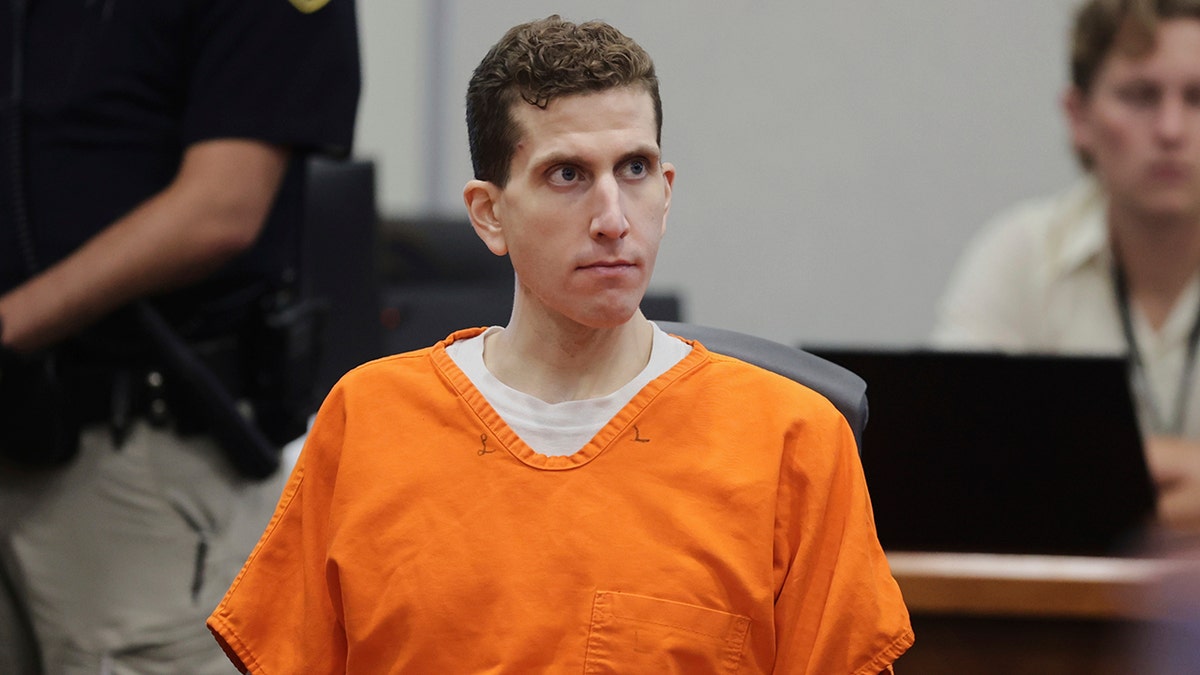
Bryan Kohberger, accused in the murder of four University of Idaho students, is attempting to retract his previous guilty plea. In his petition, he cites ineffective legal counsel and alleges coercion, misleading information, and false promises. Kohberger seeks a new trial on these grounds.
The families of the victims, including Kaylee Goncalves’ mother, expressed disappointment at this development. However, they indicated they were not surprised by Kohberger’s recent legal move.
Forensic Questions on Hair Evidence
A forensic expert, previously retained by Kohberger’s defense, has questioned hair evidence from the off-campus residence where the murders occurred. However, an attorney for one of the victim’s families maintains that this evidence does not exonerate Kohberger.
In July 2025, Kohberger had pled guilty to the murders of Ethan Chapin, Xana Kernodle, Madison Mogen, and Kaylee Goncalves. He received life sentences without parole, plus an additional 10 years for burglary. His recent petition argues he was coerced into the plea and that his lawyers failed to communicate potential exculpatory evidence. The petition also mentions hair evidence found during the investigation.
The hair was discovered under Chapin’s right hand in Kernodle’s bed, attached to the frame by dried blood. The bed was against the wall.
Expert Analysis
Defense expert Brent Turvey examined the state’s evidence, noting that the hair remained on the bed frame. A photograph shows a mix of light and dark brown hair, with an estimated two dozen strands visible. Though the photo lacks measurements, the strands seem between three and four inches long.
Turvey, a forensic scientist with extensive trial experience, reported finding the hair when he reviewed the evidence in Moscow, Idaho. He stated, “The FBI lab said Kohberger is excluded. This is not his hair.”
Uncertainty remains over who owns the strands, or whether all were tested. A DNA expert for Kohberger’s defense identified at least one hair sample in Chapin’s hand as matching Chapin. It is unclear if this is the hair Turvey described.
The hair evidence was first detailed in Christopher Whitcomb’s book “Broken Plea,” referenced by Kohberger in a New York Times interview. Kohberger highlighted the hair in his petition for post-conviction relief.
Challenges to Legal Representation
Turvey believes Kohberger’s filing raises broader concerns beyond the hair evidence. He suggests that the court should investigate allegations of coercion and ineffective legal counsel.
“Everyone involved needs to be put under oath, starting with Anne Taylor and her legal team,”
Turvey stated. He stressed, “These claims need serious court investigation.”
Turvey’s relationship with Kohberger’s former legal team has been contentious. Taylor and her co-counsel previously accused him of breaching a confidentiality agreement. Turvey denied any such disclosure.
Legal Responses
Shanon Gray, attorney for Kaylee Goncalves’ family, disputed the hair evidence’s significance. He stated, “If he’s talking about the hairs, that’s not exculpatory evidence.” Gray mentioned the defense had long known of the evidence.
“The defense had the evidence. Someone was going to testify about it,” Gray remarked. “The issue is that it might suggest another person’s presence, not Kohberger’s absence.”
The FBI did not comment when reached. Kohberger has not responded to inquiries from Fox News Digital.