Bulls Strive for Rebounding Improvement Amid Challenging Season
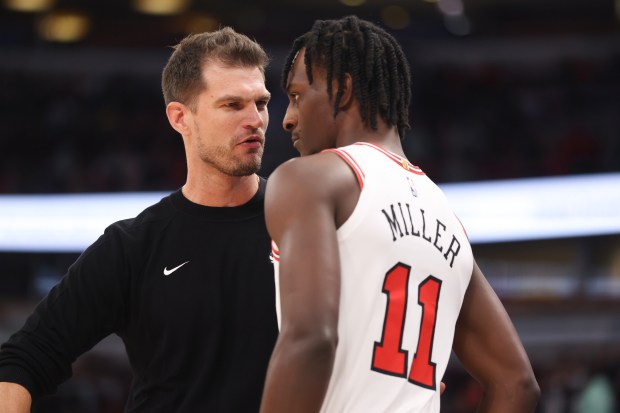
The Chicago Bulls faced a tough loss against the Boston Celtics, falling 125-111. Rookie Caleb Wilson showed determination early in the game, diving into the paint for an offensive rebound, sparking a momentary shift in momentum. Despite the initial deficit, the Bulls managed to win the second half, largely due to relentless pursuit of second-chance opportunities.
Rebounding: A Core Focus
Coach Tiago Splitter emphasized rebounding as crucial for the Bulls, encouraging players to take personal responsibility. While the team ranks 10th in the league for total rebounds, deeper analysis shows challenges in rebounding percentages, with only 65.6% of defensive rebounds secured.
Coaching Challenges and Player Performance
Splitter acknowledged the team’s youth and the need for improvement. Tobe Awaka stands out with consistent effort and success in securing rebounds. Wings Leonard Miller and Caleb Wilson also show promise. However, guards like Josh Giddey face challenges adjusting to Splitter’s rebounding scheme, leading to a decline in Giddey’s rebounding stats.
“It sounds simple but isn’t,” Giddey mentioned. “Analyzing analytics, we realize the need for more commitment to crashing the boards.”
Adjustments Needed in Rebounding Strategy
Splitter’s approach demands all players, including guards, participate in boxing out. This adjustment is unfamiliar to Giddey, who previously focused on tracking the ball. Despite the challenge, veteran Norman Powell stresses the need for focus and effort, identifying ball-watching as a current issue.
Role of Returning Players
Nic Claxton’s return from injury might not immediately solve rebounding woes. While a rim protector, his previous performance lacks high-efficiency rebounding, posing challenges for integration into the Bulls’ system.
The Bulls aim to fast-track improvement in rebounding, focusing on effort and attentiveness. Powell insists the necessity for immediate change, highlighting effort as controllable, contrasting with the developmental timeline needed for other team aspects.