California Adopts New Wildfire Prevention Rules
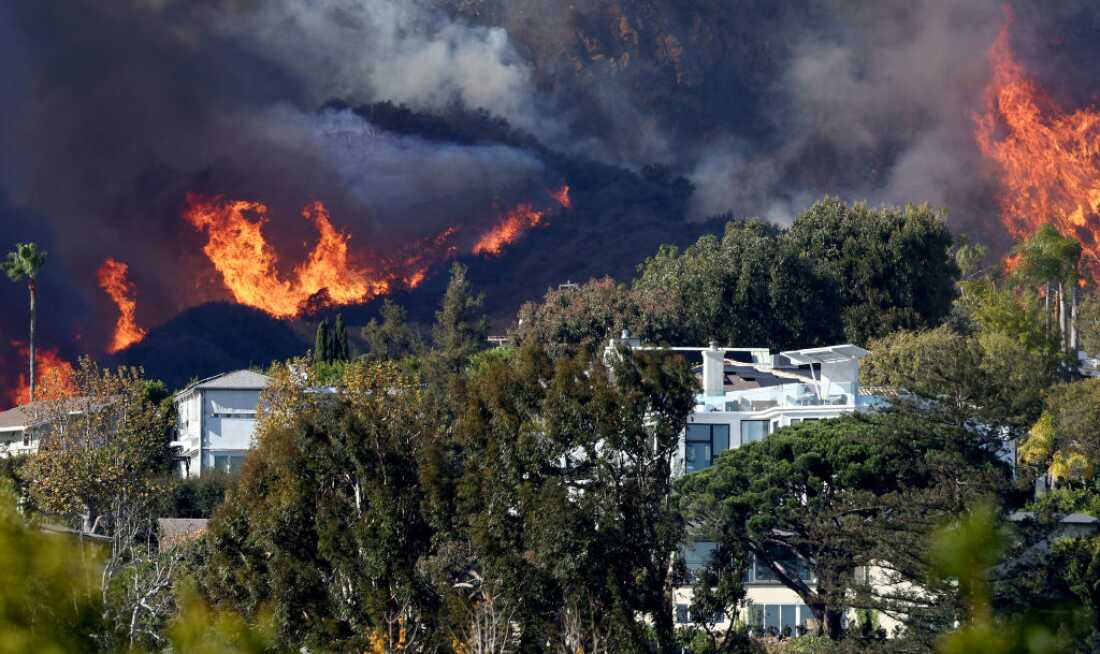
Experts in wildfire safety have identified that homes surrounded by dense vegetation face increased risks of burning, as demonstrated by the Palisades Fire in 2025. California has implemented stringent regulations requiring homeowners to manage plants within five feet of their structures. This measure aims to protect communities as severe wildfires continue to threaten the Western United States.
Homeowners in wildfire-prone regions must now limit vegetation within this five-foot perimeter. Research indicates that dry, dense plants can exacerbate the spread of wildfires. In extreme conditions, strong winds can carry small, burning embers beyond the fire’s boundaries. These embers can ignite vegetation, causing flames to reach nearby buildings and residences.
Regulatory Changes
The California Board of Forestry and Fire Protection approved the new rules after prolonged debates and delays. Initially, state officials considered banning all plants within five feet of homes, except for well-maintained trees. This proposal met resistance from communities concerned about garden greenery and maintenance costs.
Ultimately, regulators agreed on a compromise for the ‘Zone Zero’ area. Lawns, flowers, and non-woody plants up to 18 inches tall are permissible, unless located directly under the house’s roofline. Trees remain allowed, provided branches are trimmed to five feet from structures. These rules take immediate effect for new construction and will gradually apply to existing buildings, impacting nearly two million homes in high-risk zones.
Wildfire Management Challenges
California’s decision mirrors broader challenges across the Western U.S. in preparing for wildfires. Experts warn that fires starting in rural areas can quickly become urban threats, destroying thousands of homes in unexpected neighborhoods, as seen in the 2025 Los Angeles fires. More than 800 homes in Spokane, Washington, were lost this summer to wildfires penetrating dense neighborhoods.
Across various states, residents have voiced concerns over wildfire regulations at public meetings. These include threats to property rights, urban wildlife habitats, and costly maintenance. Dave Lefkowitz, president of the Mandeville Canyon Association, stated, “These regulations will cost millions of California homeowners tens of billions of dollars.” Recent vegetation management proposals were defeated in Oregon and Washington due to public opposition and misinformation.
The Importance of Vegetation Management
Research reveals that even green plants can ignite under extreme wildfire conditions. Past fire analyses in California show that homes with nearby vegetation, predominantly within six feet, face higher destruction risks. Creating ‘defensible space’ enables firefighters to access and protect properties more effectively.
California has led wildfire policy development, with other states adopting similar measures. For almost two decades, California has mandated fire-resistant construction materials. While no guarantee exists that a home will survive a wildfire, optimal protection combines fire-resistant materials with proper vegetation management. Evidence shows that some homes have survived recent severe wildfires due to these measures.
Implementation and Compliance
Though California’s new regulations offer homeowners more flexibility, some experts argue they fall short, as any combustibles near structures remain a risk. Local fire departments and state agencies will enforce these rules through annual inspections. Inspectors will play a crucial role in educating homeowners and ensuring compliance.
“A clean Zone Zero is a five-minute inspection with one question: Is anything combustible within five feet? Easy for the homeowner to understand and take action on,” said Todd Lando of the Central Marin Fire Department.
While education is the initial focus, compliance will eventually become mandatory. For existing homes, these vegetation rules will be enforced starting in 2029 at the earliest.