California Republicans Navigate Distance from Trump in Tight Races
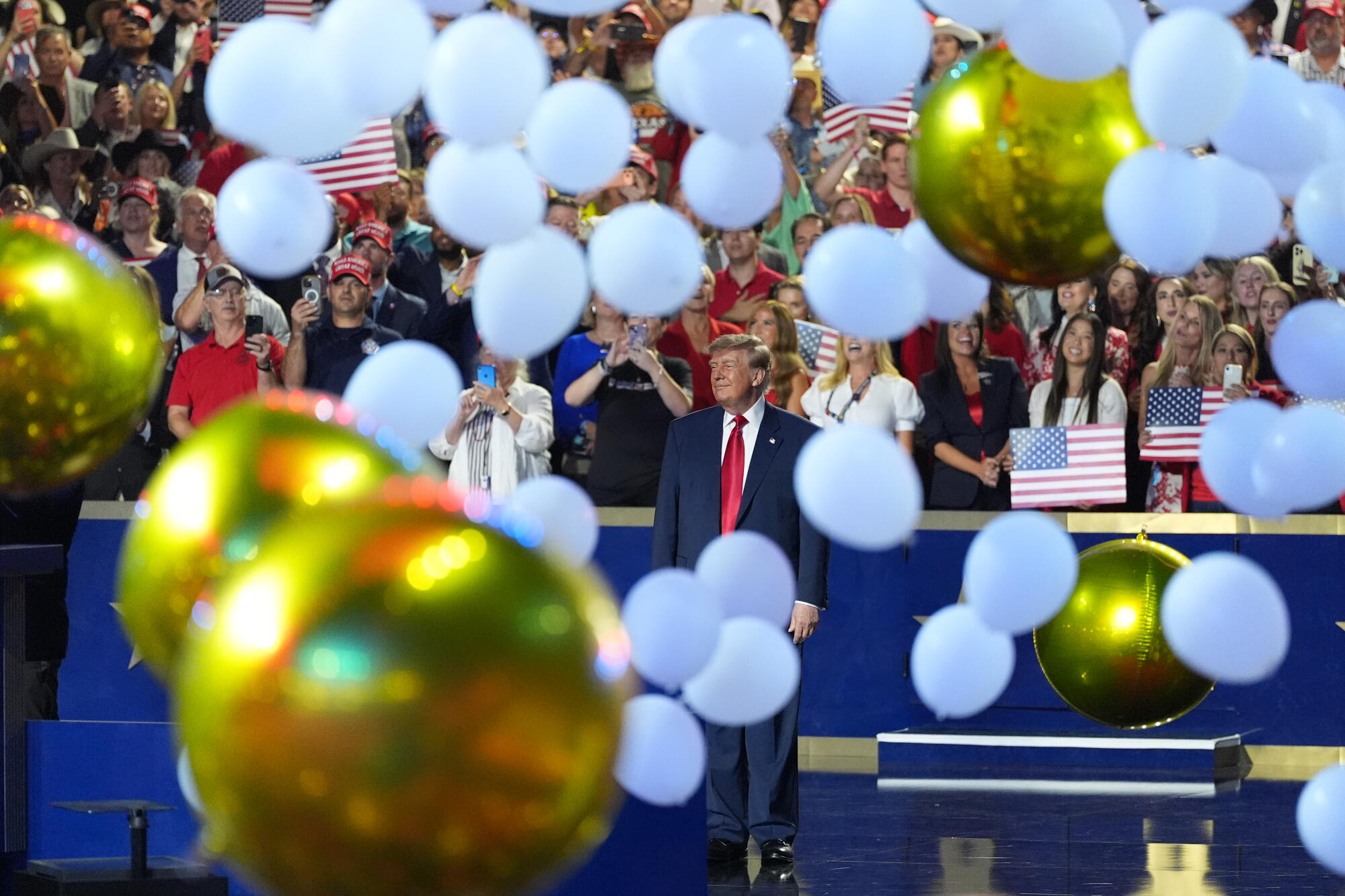
President Donald Trump is urging supporters to vote in the November elections with the enthusiasm of him being on the ballot. However, California Republicans in challenging congressional contests are using a different strategy. In the most competitive U.S. House races in California, four Republicans, alongside a fifth in a close race against a fellow Republican, are keeping their distance from Trump as the election approaches.
These candidates skipped Trump’s midterm convention in Dallas. In addition, two are omitting references to Trump from their campaign websites. Their campaigns emphasize local and state issues, contrasting with Trump’s strategy of portraying the election as a test of loyalty.
Trump emphasized the election’s importance at the GOP convention, saying, “Pretend I am on the ticket because this is going to turn out to be one of the most important elections.” Within the GOP, several factors influence this dynamic: attracting new voters in purple districts due to redistricting, Trump’s role in rallying the base, and fears that his low approval ratings could harm Republican chances in the midterms.
“There is a bit of jujitsu to it,” said Rob Stutzman, a seasoned California Republican consultant. “These candidates are hoping that Trump motivates these voters to vote… [while they] focus on gaining votes, particularly from independents who don’t like the president right now.”
The redistricting under Proposition 50 has modified the congressional map to favor Democrats, necessitating Republicans to persuade more unaffiliated voters and moderate Democrats. Pete Peterson, Dean of the Pepperdine University School of Public Policy, stated that this adjustment is essential for Republican candidates.
Typically, the party in power faces challenges during midterms. Republicans confront difficulties under Trump’s leadership, with low favorability ratings and public dissatisfaction with the economy, the ongoing conflict in Iran, and trade disputes with Canada.
Trump has largely dismissed concerns about the economy and war, despite polls indicating these issues weigh heavily on voters. Furthermore, a growing backlash against data centers and artificial intelligence has added pressure. Trump has promoted AI advancement, despite GOP candidates addressing constituent worries. Trump’s promise of a $5,000 payment to each adult citizen if Republicans win is legally uncertain and criticized by some party members.
Trump has urged Republican candidates to campaign based on his achievements, planning to support 35 battleground races, including spots in Alaska and Texas, but has not mentioned California. His call to “talk about it, and you’re going to win and you’re going to win big” seems unconvincing to some candidates.
An analysis by the Washington Post found that mentions of Trump by Republican politicians on social media decreased by half since January. Many skipped his convention, and some opposed him on data centers and monetary incentives.
Polling in California reflects difficulties for the GOP. A survey by the Public Policy Institute found independents prefer Democratic candidates to Republicans in House districts. Likely voters showed support for Democratic candidates in a recent poll.
Republican gubernatorial candidate Steve Hilton’s campaign acknowledged the dislike of Trump and MAGA in fundraising texts. Democrats capitalize on this sentiment, pointing to Republican ties with the MAGA brand as harmful.
Rep. Young Kim from Anaheim Hills has removed “America first” branding and Trump references from her campaign site. In Northern California, Rep. James Gallagher removed Trump’s endorsement from his online presence.
Other Republicans, including Rep. David Valadao, Kevin Lincoln, and Jim Desmond, are focusing on local campaigns rather than national partisan issues. Valadao’s record includes voting for Trump’s second impeachment. Branding stays absent from online endorsements for some candidates.
Rep. Kevin Kiley, after leaving the Republican Party this year post-redistricting, promotes moderate policies, focusing on AI legislation and criticizes Sacramento. Though still caucusing with Republicans, he would change if reelected.
Representatives for Gallagher, Lincoln, Desmond, and Valadao remained silent on inquiries for comments. Chris Pack, Kim’s spokesperson, praised her collaborations with Trump but centered her campaign against opponent Ken Calvert.
“California Republicans know what’s best for their districts,” the GOP operative said. “They all have their own independent records and are pretty well-known by their communities.”
Republicans argue that Democrats have mishandled California’s affordability issues and are overly focused on Trump without presenting effective policy solutions. An ongoing campaign by Democrats complicates these efforts.
Mike Madrid, a veteran Republican consultant, warns against last-minute rebranding due to Trump’s past popularity in the party. According to him, distancing from Trump signals his dwindling popularity.
Vice President JD Vance urged voters during a podcast interview to give his party more time for progress, requesting another chance from the electorate for impactful results.