Canada’s Turn to Non-U.S. Automakers Amid U.S. Tensions: Implications for Michigan
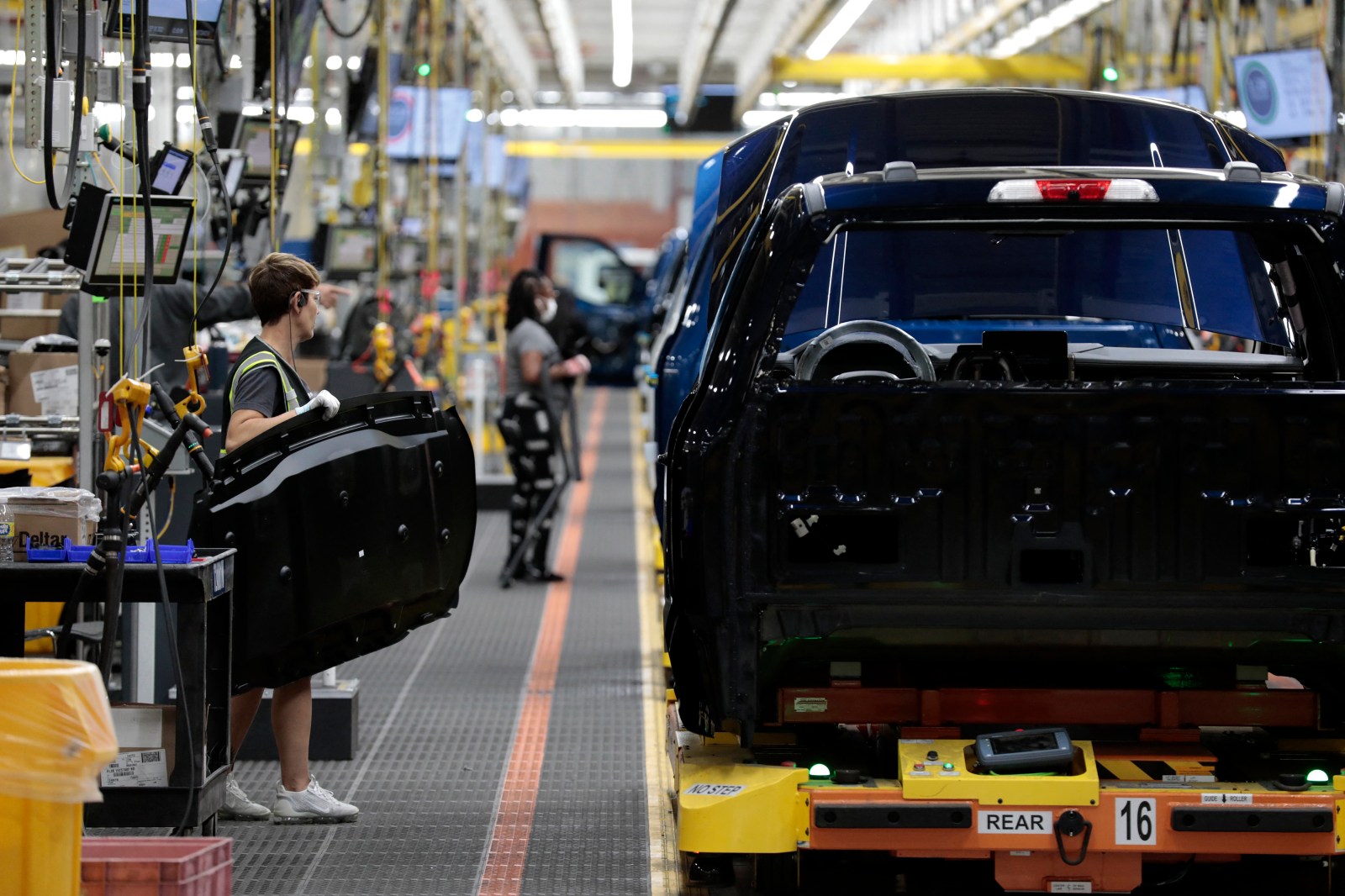
Canadian Prime Minister Mark Carney announced that Ottawa may consider automotive partnerships with countries like China as tensions with the U.S. rise. This decision could significantly impact Michigan’s economy. Carney emphasized the skill of Canadian auto workers, but he noted that trade tensions under President Donald Trump’s administration have disrupted market integration.
During talks with Washington, Carney expressed the desire to resolve these issues to benefit Canadian workers. If negotiations with the U.S. prove unsuccessful, he stated that Canada would explore alternatives. These options include potential partnerships with nations in Europe and Asia, including China and Japan.
Carney’s comments preceded a meeting with Chinese President Xi Jinping. Tariff relief and electric vehicle collaboration were central to their discussions. Trump’s proposed 100 percent tariff on Canada, should it engage with China, could have repercussions for Michigan. The state’s auto industry relies heavily on bilateral trade with Canada.
“The Michigan auto industry is highly tied with Canada. Just in the building of vehicles, we have components that move across the border multiple times,” remarked Paul Isely, an economics professor at Grand Valley State University.
Michigan exports approximately $21-22 billion in vehicles and equipment to Canada, a major contributor to its economy. Any shift by Canada to source vehicles from other regions would strain Michigan’s auto parts suppliers. According to Jason Miller, Michigan State University professor, if Canada relocates some assembly operations, it might benefit Michigan’s suppliers.
The potential for Michigan job losses exists if Canada imports more non-U.S. vehicles. Canada’s tariff rate might allow up to 49,000 electric vehicles from China, which could increase to 70,000 by 2030. Isely highlighted that a $1 billion impact could threaten numerous jobs.
The shift could lead to competition challenges for Michigan’s Detroit-based automakers. Jeff Rightmer of Wayne State University warns of possible supply chain disruptions and job growth deceleration affecting local businesses.
Economic forecasts suggest that each auto industry job supports three additional jobs. Therefore, any job cuts in assembly plants can affect local economies. University of Michigan professor Erik Gordon believes short-term setbacks may impede parts suppliers, but long-term prospects could favor Michigan as car production possibly shifts from Canada.
Given Michigan’s political significance, such economic shifts might influence voter sentiment, especially in a state split in past elections.
U.S.-Canada Relations Under Trump
Historically, Canada and the U.S. have maintained friendly relations. However, the Trump administration introduced tariffs on Canadian goods, which prompted Canada to respond similarly. Such measures have strained ties, prompting Carney to liken the situation to warfare.
Isely explained that these policy swings contribute to uncertainty in bilateral trade, motivating Canada to diversify risk and reduce dependency on U.S. trade policies.
Current Trade Negotiations
Both countries are negotiating to end the ongoing trade conflict. Canada’s Minister of Internal Trade, Dominic LeBlanc, mentioned that while progress has been made, an acceptable deal has yet to materialize. Canada aims to lower tariffs on steel, aluminum, and automobiles and seek comprehensive sector relief.
“We’re ready to move swiftly to reach a favorable deal for Canada’s economy,” stated LeBlanc.
Future Indicators
Rightmer suggests that signs of change may include capital investments and supply chain adaptations. He advises monitoring auto company strategies, as their actions might indicate perceived duration of disruptions.
Contact Newsweek editors: Michelle Curran and Trevor Davies for more information on this topic.