Challenges and Changes in the Entry-Level Job Market
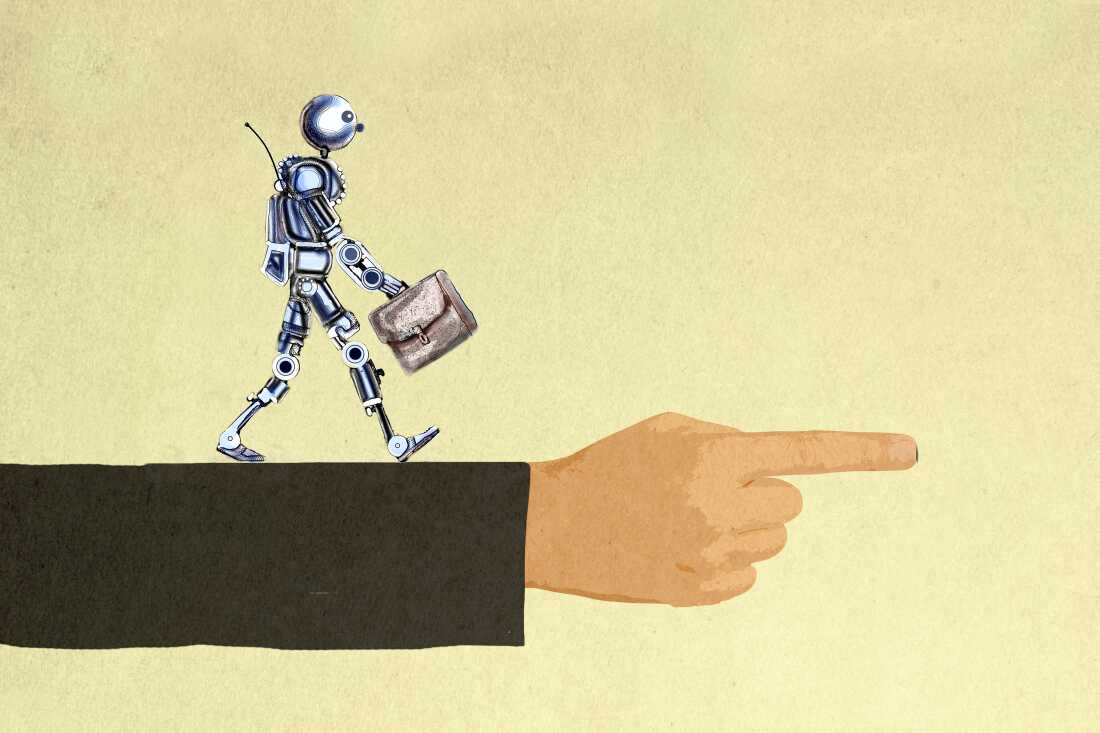
Irene Chang, aged 21, pursued engineering due to her passion for problem-solving and the promise of a stable career. Her goal was to secure a position right after graduation. However, this has proven difficult. Since earning her bachelor’s degree in industrial and systems engineering from Georgia Tech in May, she has applied to around 450 entry-level data analyst positions, resulting in about 19 interviews, yet no offers.
Similarly, Jacqueline Kline, aged 25, faces the same struggle. She completed her master’s in communications at Florida State University last spring. Despite extensive networking, internships, and early job applications, she has applied to over 500 entry-level jobs since December. Both Chang and Kline attribute their challenges to AI in their fields. Chang mentions, “The entry-level skills we possess are crucial, yet AI performs them efficiently.”
According to the Federal Reserve Bank of New York, the recent graduate unemployment rate for bachelor’s degree holders or higher, aged 22 to 27, was 5.7% in June, higher than the 4.1% rate for all workers. In a ZipRecruiter survey, 47% of recent graduates believe AI adversely impacts hiring in their industries.
AI’s Influence on Entry-Level Employment
Erik Brynjolfsson
, an economist at Stanford University, acknowledges AI’s role in shaping the labor market for entry-level jobs. He comments, “AI is part of the narrative, and evidence is accumulating.” His research using payroll data shows a 16% employment decline for early-career workers in AI-impacted fields like software development between late 2022 and now. In contrast, more stable employment rates persist among older workers in AI-exposed regions and in less automatable jobs such as health aides and construction workers.
Brynjolfsson presents two reasons for young workers’ higher job crunch. Economic contractions generally hit young workers hardest, as junior roles face cuts first. Additionally, AI models are trained on codified knowledge, often in textbooks, similar to what inexperienced graduates rely on in their early careers. Yet, senior workers with tacit, experiential knowledge remain less affected by AI.
The Role of Remote Work
David Deming
, a Harvard University economist, questions AI’s impact, suggesting that remote work bears more influence. He notes the decline in junior hiring predates ChatGPT’s emergence, aligning more closely with remote work trends. A New York Fed analysis indicates companies resist hiring recent grads for remote roles. Post-pandemic, as remote work surged, unemployment among younger grads rose, with remote work being a bigger factor than AI. Remote job readiness often requires substantial training investment, leading employers to favor experienced hires. Deming adds, “The appeal of hiring juniors remotely is diminished.”
Further research by University of Chicago economist Anders Humlum
implies AI investment doesn’t reduce entry-level roles. A study by finance firm Ramp and workforce research company Revelio Labs found a 12% growth in entry-level positions at firms heavily investing in AI between early 2021 and 2026. Humlum notes, “Firms investing significantly in AI hire more compared to others.”
Future Employment Shifts
Though economists may differ on AI’s current market impact, they unanimously predict substantial employment shifts ahead. They recently signed a letter highlighting AI’s potential transformative economic effects, surpassing the Industrial Revolution. Despite potential job displacement, there’s optimism. Brynjolfsson remarks, “While this is a challenging period for conventional jobs, it’s an incredible time where technology enables unprecedented capabilities.”
Some students may feel technology disadvantages them, but Humlum views this as “premature.” He expects AI to ultimately benefit workers. Deming concurs, predicting that AI will eventually serve as a beneficial force, albeit unpredictably and with challenges. To recent graduates like Kline and Chang, he advises: “Persevere.”