Challenges and Discoveries in the Search for Lost Species
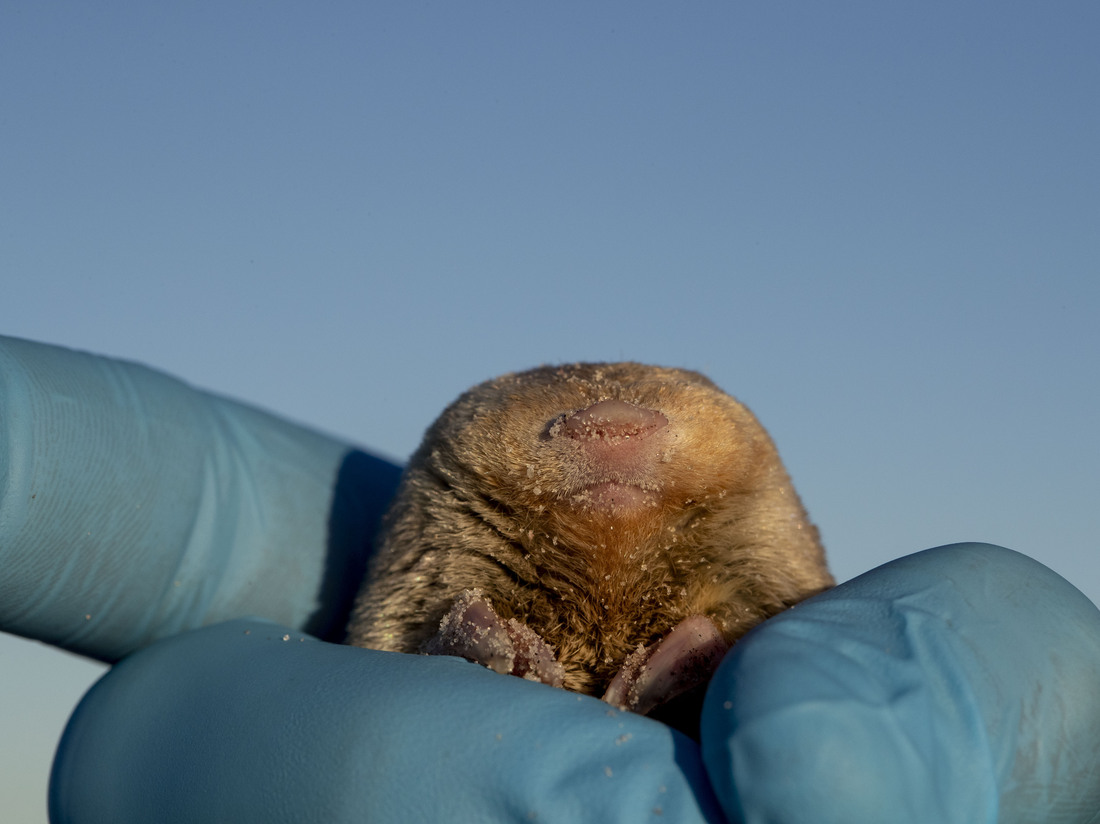
A researcher displays a sandy De Winton’s golden mole, highlighting the issue of endangered species. The United Nations warns of a rising extinction rate. Some species are in a limbo state, neither confirmed extinct nor found in ten years, earning them a ‘lost’ status per the International Union for Conservation of Nature.
These losses often result from human activities like climate change, pollution, and habitat clearance, says Thomas Evans, a conservation scientist in Berlin. The shrinking populations bring them close to extinction. Scientists and communities face dilemmas: if a species still exists, it needs protection. Without evidence, funding for conservation and studies is scarce.
A study in Global Change Biology reveals discrepancies in search and protection efforts across species. Research showed ‘charismatic’ animals, often large and appealing, are more frequently rediscovered and protected. In contrast, less prominent species like rodents, though significant in number, receive less attention. The elusive and nocturnal habits of many rodents hinder their discovery and conservation efforts. Evans notes the lack of enthusiasm for finding rodents compared to larger species.
Rediscovering a lost species is challenging, involving trips to remote areas and advanced technologies. In South Africa, biologist Samantha Mynhardt’s search for the elusive De Winton’s golden mole showcases these difficulties. Largely unseen for nearly a century, this mole evaded conventional tracking methods. Mynhardt’s team combined scent detection dogs with eDNA sampling, collecting and testing soil for DNA traces. Their expedition resulted in capturing a mole and confirming the species through lab tests. Mynhardt described the emotional moment upon confirmation.
A similar story unfolds with biologist Tyrone Lavery in Melbourne. His 14-year quest for the Vangunu giant rat involved local knowledge from Vangunu Islanders, who occasionally saw the rodent. Despite challenges and limited sightings, Lavery used camera traps for six months, securing photographic evidence of the rat. Official protection remains elusive, though informal changes, like logging cessation, suggest efforts are taking root.
The narratives of the golden mole and Vangunu giant rat highlight disparities in conservation efforts for ‘uncharismatic’ species. Mynhardt emphasizes the importance of valuing every species, alongside the more popular ones, to protect biodiversity.