Challenges and Projections for Addressing Homelessness in Los Angeles
Since 2005, I’ve paid attention to efforts by Los Angeles mayors to tackle homelessness. Each mayor, including Antonio Villaraigosa, Eric Garcetti, and Karen Bass, planned to address the issue. While progress was made, more than 40,000 people remain without homes in the city today.
Mayor-elect Nithya Raman has a chance to tackle this enduring problem. Though homelessness rose slightly city-wide, it decreased significantly in her council district. Raman criticized Bass’ strategy as expensive and ineffective and promised bold changes during her campaign. She aims to halve tents and encampments by the Olympics and shelter everyone by the end of her term.
Skepticism arises from past unfulfilled promises. In 2006, a plan announced to end homelessness within ten years fell short. Garcetti pledged to halve the problem by 2018; yet, challenges continued. Bass also set ambitious goals, but her term ended with people still vulnerable on the streets.
Homelessness stems from deep-rooted issues, including socioeconomic disparities, high housing costs, mental illness, and addiction. Effective solutions require collaboration across government levels and sectors. Bass’ Inside Safe program temporarily moved 6,000 people to motels, costing $300 million, but many returned to homelessness.
Raman intends to end the program, preferring short-term rental vouchers. She proposes full audits of spending, use of Medi-Cal for street medicine, and investments in shared housing and management. She criticizes the lack of coherent programs requiring proof of efficacy and coordinated control.
Getting support for her plans and overcoming potential resistance is a significant challenge for Raman. Her background includes urban planning and co-founding the SELAH Neighborhood Homeless Coalition, giving her a grounded understanding of the issue and government shortcomings.
Louis Abramson, a researcher and SELAH board chair, believes Raman’s expertise will strengthen her advocacy. He hopes for more affordable housing, recognizing her willingness to face political risks and ensure Los Angeles accommodates all residents.
Building relationships with the homeless has been central to SELAH’s approach. Recovery varies for each person; some need more time and support. Long-term care and a sense of purpose are crucial for sustainable progress. Success stories, like Chrysalis’ initiatives, highlight the importance of integrating able-bodied individuals into the workforce.
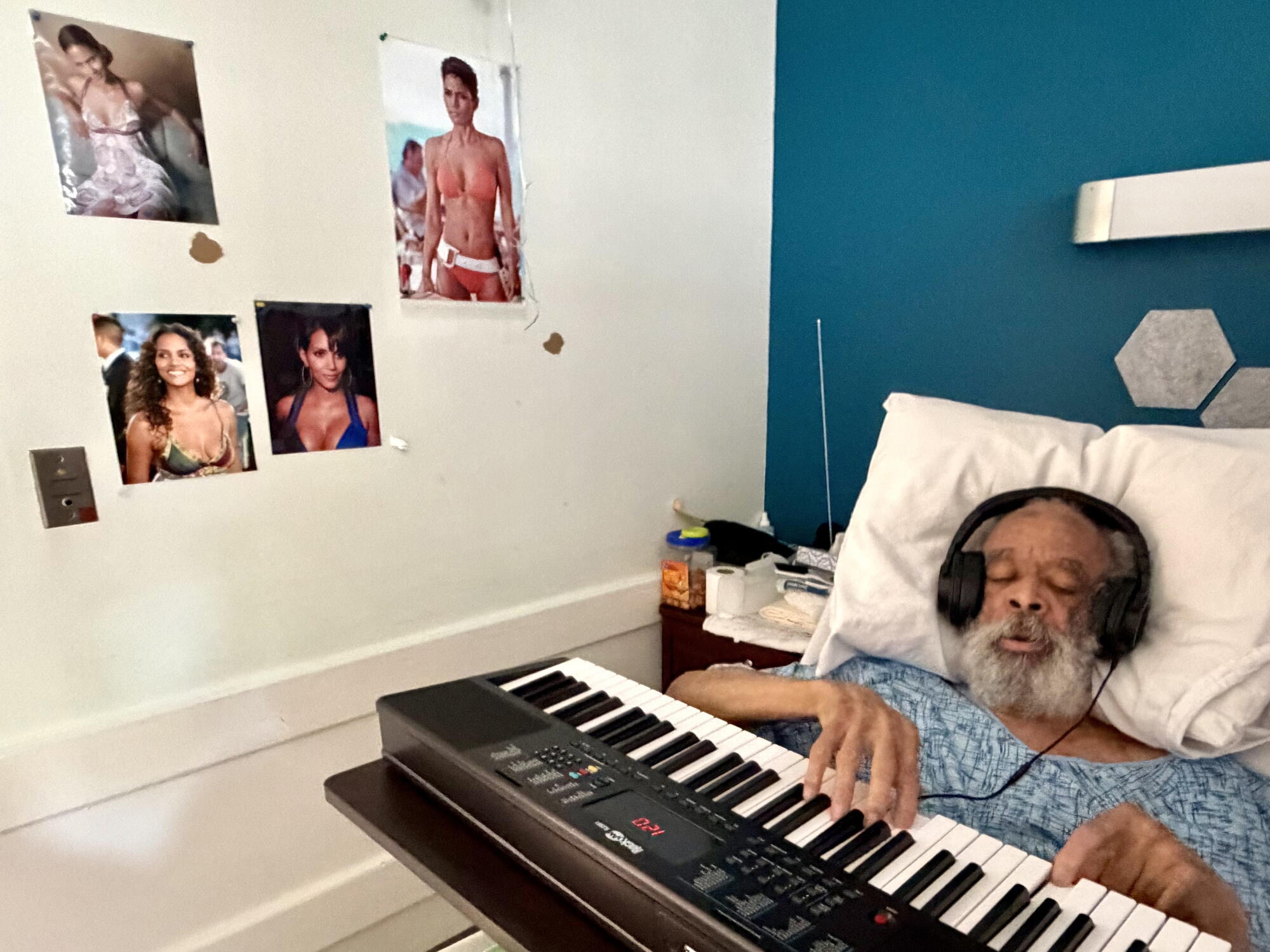
Volunteering and community engagement are vital. My friend Nathaniel Ayers’ experience illustrates the importance of personal connections. Over 21 years, various people and organizations helped him transition indoors, showing the power of relationships in addressing homelessness.
Understanding people’s stories and fostering community empathy can enhance solutions. As Los Angeles aims to address homelessness, the narrative should center on human relationships and shared effort.