Challenges and Repercussions of the Nvidia CEO Scandal
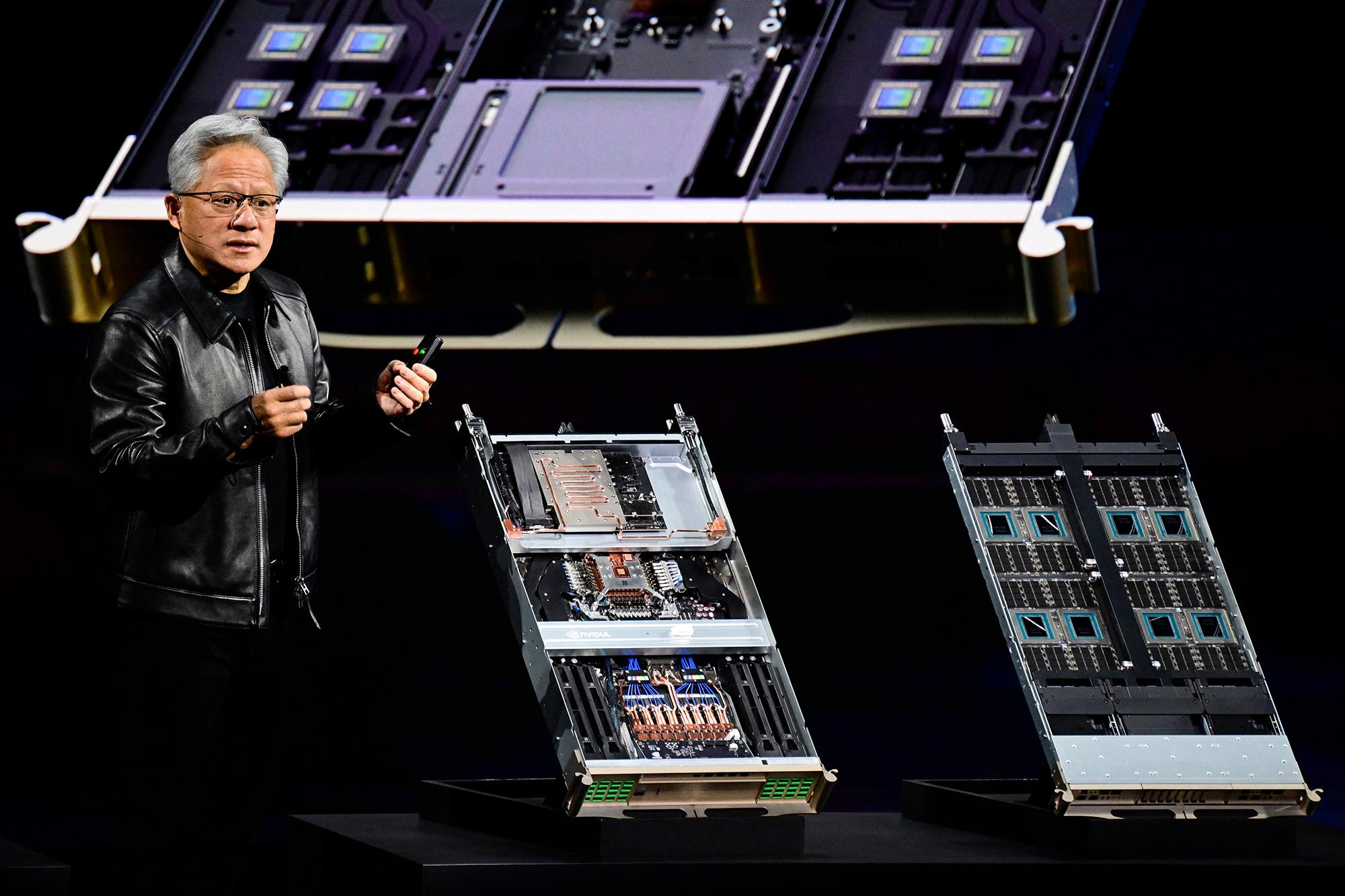
Jensen Huang, co-founder and CEO of Nvidia, recently became the center of a controversy involving allegations of espionage. During the Nvidia GTC Berlin 2026 Artificial Intelligence conference, Huang’s affair with Alice Huang was revealed. Reports suggest that Alice Huang passed information to Chinese intelligence, raising national security concerns.
This incident suggests Beijing’s relentless ambition to dominate the AI sector. In response, it is imperative for U.S. authorities to thoroughly investigate the matter and, if appropriate, take action against China. Despite the allegations, Nvidia remains integral to AI development, with the company’s value estimated at $4.5 trillion.
The scandal, however, is not just about espionage. It has sparked political debates in the U.S., especially among those critical of AI advancements. Critics on the political left regard AI with caution, arguing for measured progress. Senator Bernie Sanders, for example, has proposed legislation to significantly slow AI development in the U.S.
Furthermore, Democrats have raised concerns about data centers, essential to the AI infrastructure. They criticize their environmental impact, focusing on power and water consumption. Some politicians, including Senator Chris Coons, are demanding more scrutiny of the relationship between AI industry leaders and the Trump administration.
Nvidia’s board asserts there is no evidence that national security or company secrets have been compromised. Yet, uncertainty remains about the extent of information transferred to China. This situation underscores the ongoing challenge of Chinese espionage. Similar incidents have involved figures like Eric Swalwell and staff members of high-ranking officials.
The potential downfall of Huang poses a threat to the AI industry, potentially giving China an upper hand. While critics may view this as a setback for AI development, others argue that the U.S. needs a balanced approach. They emphasize the importance of securing advancements in AI, as it is vital for future technological leadership. As former President Trump stated, the nation that leads in AI will hold a significant advantage globally.
The call to action includes investigating Huang’s case, addressing Chinese espionage, and ensuring that political disagreements do not hinder America’s quest for AI leadership.