Challenges and Tensions in Ukrainian Politics Amid Conflict
Volodymyr Zelensky is facing difficulties this week. Anti-corruption officials raided the office of Iryna Mudra, his deputy presidential chief of staff, and another senior lawmaker’s office. This action occurred shortly after a former minister, dismissed by Zelensky in July, urged for new elections despite the nation’s martial law.
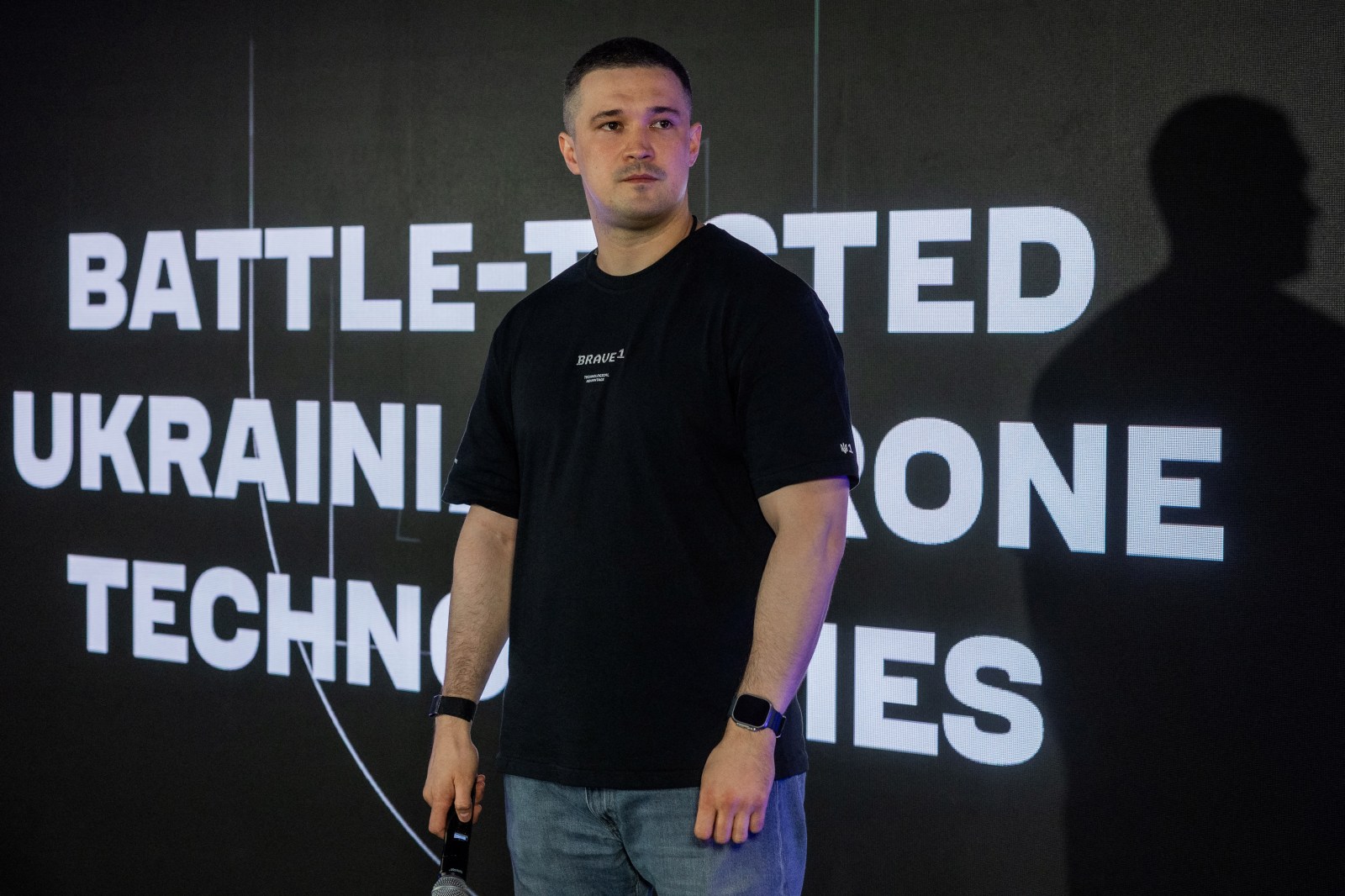
Mykhailo Fedorov, a former defense minister, posted a video on YouTube advocating for elections. He emphasized that democracy should not be limited to peacetime and condemned ongoing corruption in Kyiv. Although he didn’t mention Zelensky directly, his message challenged the current government’s legitimacy. As a former close aide of the president, Fedorov’s call for change carries weight.
Public Opinion on Elections
Fedorov may be proceeding too hastily. Polling by the Kyiv International Institute of Sociology (KIIS) shows most Ukrainians oppose elections amid Russian attacks. Only 15% of respondents support elections during conflict. In contrast, 57% prefer postponement until a peace agreement, while 23% favor voting after a ceasefire with security guarantees.
Opposition to elections isn’t merely rooted in loyalty to Zelensky. Among those who distrust the president entirely, only 44% endorse wartime elections. Meanwhile, 50% desire a ceasefire or peace deal before changing leadership. Among those who somewhat distrust Zelensky, immediate election support drops to 17%.
Despite losing some popularity this summer, Zelensky is not in immediate danger. Dissatisfaction with some decisions does not indicate a desire to overthrow the wartime leader while missile threats persist.
Legal and Practical Barriers
Fedorov’s proposal encounters multiple legal obstacles. Ukrainian law allows indefinite postponement of elections under martial law. Experts like Orysia Lutsevych from Chatham House state this makes Fedorov’s proposal unfeasible. Lutsevych suggests his stance aims to apply pressure on Zelensky, enhancing Fedorov’s bargaining power via public influence.
Fedorov’s Rapid Rise
Fedorov quickly established himself as a transformative figure in Ukraine’s politics and defense. As digital minister, he gained recognition for digitizing public services, ensuring public access during the war. He drove advancement in drone technology and sought defense industry modernization, influencing Ukraine’s war strategy and tracking military funding.
His ousting from the Defense Ministry by Zelensky in July led to public backlash. Fedorov represents a vision for a faster, more efficient, and less corrupt Ukraine, especially amid talks with the EU on political and economic standards.
Accusations of corruption further spotlight the need for reform. Around 70% of Ukrainians favor EU membership, per a June SOCIS poll. However, Lutsevych notes Ukraine’s European partners largely oppose wartime elections, and reforms can occur independently of elections.
The Role of Valery Zaluzhnyi
Any discussion about Ukraine’s presidency is incomplete without Valery Zaluzhnyi. Formerly the commander-in-chief and now ambassador to the UK, Zaluzhnyi could challenge Zelensky in future elections, according to many pollsters.
Nicknamed the “Iron General,” Zaluzhnyi, relieved of his command in the ongoing war, asserts Ukraine should build defense pacts with allies and expressed skepticism about NATO prospects. Despite differences with Zelensky, he prioritizes his ambassadorial duties without causing national division during the conflict.
Fedorov, though significant, is not a direct presidential contender. SOCIS polling places him third behind Zelensky and Zaluzhnyi. While public dissatisfaction and scandals affect Zelensky’s support, most Ukrainians feel that a presidential election is an issue for the future, given the country’s current challenges.