Challenges Faced by Healthcare Workers in Ebola-Affected Areas of Congo
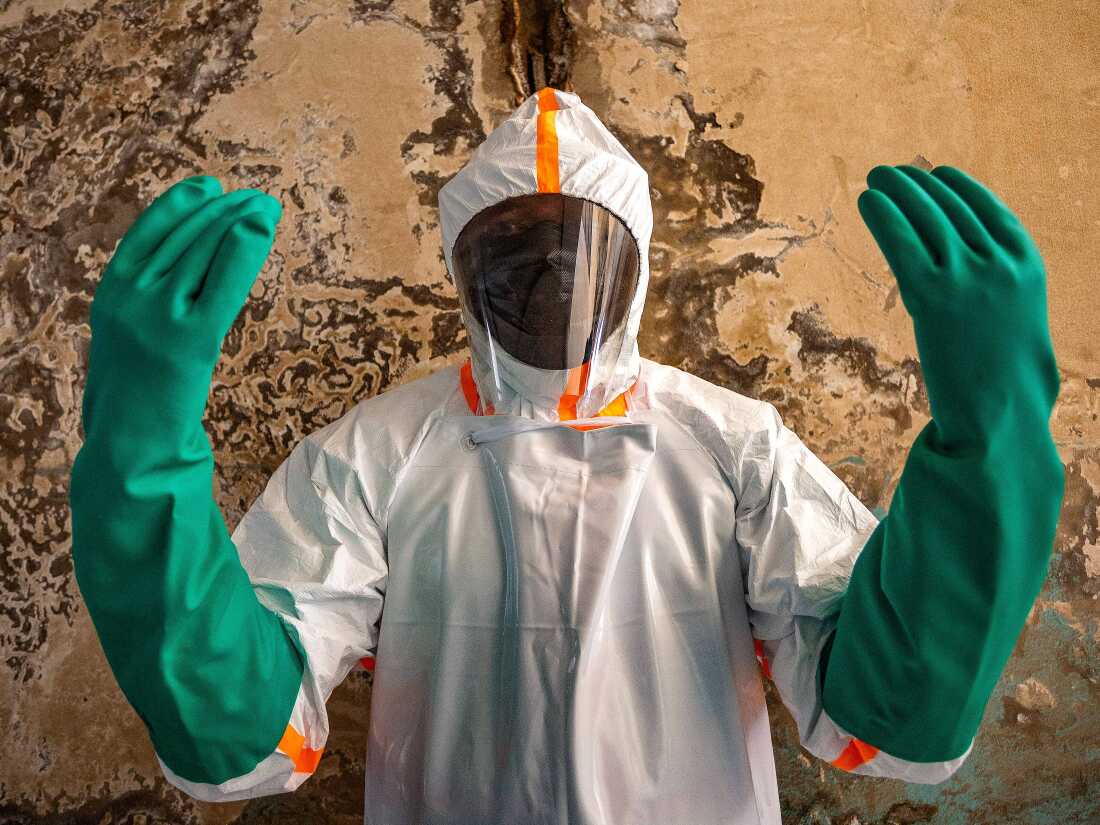
A nurse stands by for disinfection at the Clinique Universelle in Bunia, eastern Congo, on June 13, 2026. Due to the risk of attacks during the Ebola crisis, some healthcare workers prefer anonymity. Moise Bulabantu, a community nurse in the region, feels the stress of potential infection intensely. In the outbreak declared on May 15, he interacts daily with Ebola patients in a high-risk situation.
Bulabantu, 38, voices grave concerns. ‘We have no protective equipment,’ he says from the small clinic in Bunia’s suburbs, Ituri province’s capital. As the only state health worker in an area with about 40,000 residents, Bulabantu is among many operating with limited resources. The Democratic Republic of Congo ranks among the world’s poorest, with fragile health infrastructure.
Bulabantu’s clinic is modest, featuring several rooms in a clapboard building. Patients rest on foam mattresses without sheets, with a single entrance, making isolation of potential Ebola cases difficult. Daily, Bulabantu receives around 15 alerts for suspicious symptoms like fever or vomiting. Of these, typically two or three are confirmed as Ebola.
Despite support from CARE, an international NGO, Bulabantu and colleagues suffer from equipment shortages across Ituri. As the outbreak’s epicenter, the province accounts for over 91% of confirmed cases. By June 30, 1,307 infections and 377 deaths are recorded, per the health ministry.
Chronic violence by armed groups compounds the crisis, hampering health responses. Equipment shortages persist despite aid flown in. The virus has spread widely, affecting 22 of 36 health zones in the province, and has moved to North Kivu and South Kivu. Uganda, sharing a border, has recorded 19 cases. Shortages partly stem from the disposability of PPE, mandating continuous supply.
Aid workers, speaking anonymously, note challenges in coordinating with Congolese authorities. Tragically, inadequate protection results in healthcare worker deaths. The WHO reports 17 health worker deaths out of 75 infections since the outbreak began.
Shannon Hamilton, from Samaritan’s Purse, explains that close contact spreads Ebola, affecting caregivers first. ‘Those who care for the sick often become the next victims,’ she notes.
At Nyankunde hospital, southeast of Bunia, similar issues present. Dr. Désiré Duabu reveals the initial acute shortage of PPE has improved but remains insufficient. Entire hospital decontamination is essential for safety. Non-Ebola patients risk infection due to isolation challenges. The hospital reports eight infected staff members, with one medical student succumbing to the virus.
Acknowledging these harsh realities, Duabu underscores the courage required to serve, affirming, ‘We do it.’