Challenges Facing Legal Representation for Unaccompanied Children in the U.S.
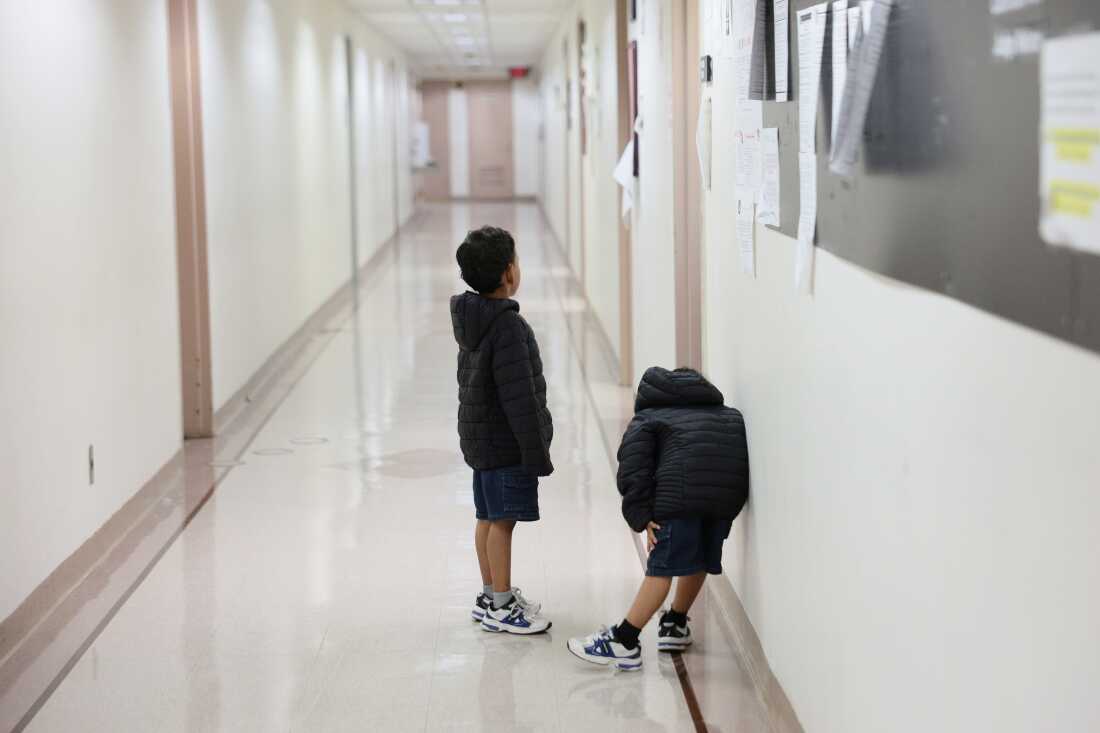
An estimated 26,000 children in the United States, who entered the country without parents or guardians, might soon lack independent legal representation. This situation could arise as early as Monday, according to lawyers who advocate for these children.
For over twenty years, U.S. law has mandated the protection of children crossing the border alone, out of concern they might be exploited or trafficked. Once they cross the border unaccompanied, the Office of Refugee Resettlement (ORR) typically assumes responsibility for them. A network of nearly 100 legal organizations has been providing these children with legal services, which are funded by Congress.
However, in November, ORR ceased funding these legal services after attorneys refused to provide confidential information about the children, citing attorney-client privilege. The nonprofit Acacia Center for Justice, which manages the legal services contract with ORR, stated, “The government is withholding payment for work that has already been performed in order to extract confidential information about kids, information the government has no right to.” ORR did not renew the contract, which expired last Friday.
Alexa Sendukas, an attorney with the Galveston-Houston Immigrant Representation Project, noted that without legal representation, children might have to represent themselves in court, which often results in deportation. She stated, “Without a lawyer, unaccompanied children win the right to stay in the U.S. less than 1% of the time.” Sendukas pointed out the grave risks faced by these children seeking safety in the U.S.
In response to this situation, a coalition of legal nonprofits filed a lawsuit last year, requesting a judge order the government to pay them the $65 million owed for past services and to continue funding future services. After more than eight months without payment from ORR, some providers have reduced their staff. For instance, ProBAR, an American Bar Association project, laid off over 20% of its staff due to funding loss for children’s immigration work, according to its legal director, Lauren Fisher Flores.
On July 29, Acacia received a notice that ORR was considering a new contract, potentially with different legal service providers. However, Acacia lacked clarity about the new contractor. Acacia’s Bettina Rodriguez Schlegel expressed concerns, “It is not clear who the new contractor will be, nor have they answered our questions.” NPR’s requests for comments from ORR and the White House went unanswered.
ORR is legally required under a 2008 law to match children promptly with U.S. guardians or “sponsors.” However, children are held for an average of 194 days before being released to sponsors. Lawyers indicate this extended period negatively affects the children’s well-being. For years, lawyers in the network educated children in ORR care about their rights and assessed their eligibility for legal services, especially those who are trafficking or abuse victims.
Some attorneys assert they will not abandon the children despite the absence of a renewed contract and unpaid services. Mickey Donovan, director of legal services at the Immigrant Defenders Law Center, affirmed, “We have an ethical responsibility. We can’t just drop a case. If you have a hearing tomorrow, we can’t just not show up because the government decided to stop paying us.” They plan to attend court to support children in preventing deportation.