Challenges in Baltimore as Federal Policy Changes Threaten Harm Reduction Efforts
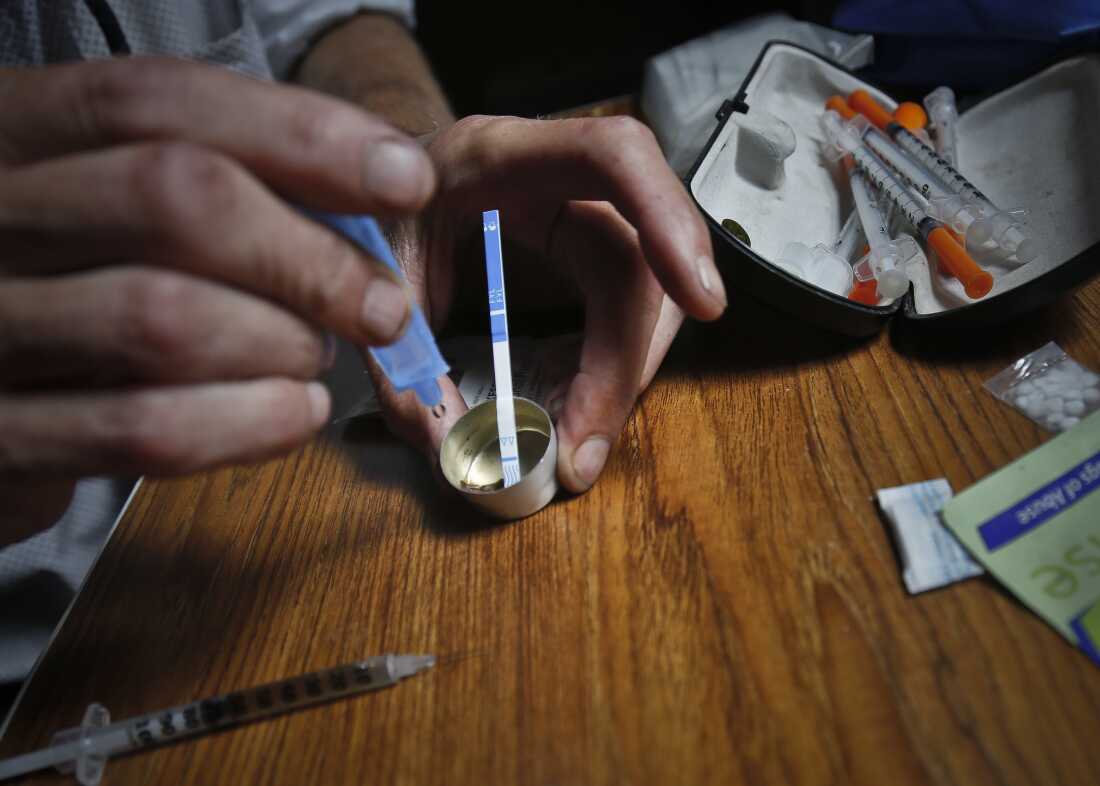
A person uses a test strip in New York to detect fentanyl in heroin on August 22, 2018, highlighting the risk of overdose. In Baltimore, similar efforts are under threat due to new federal policies.
Last year, Baltimore experienced three mass overdose incidents within three months in the Penn North neighborhood. In one instance, over two dozen individuals needed hospitalization after being found unresponsive. While no deaths occurred, the situation was critical.
Testing revealed that the street drugs contained high levels of N-methylclonazepam, a benzodiazepine similar to Xanax and Valium. These drugs, like opioids, can suppress breathing, raising overdose risks. Opioid reversal drugs do not counteract benzodiazepine effects.
In response, the Baltimore Harm Reduction Coalition developed test strips for benzodiazepines. These were distributed alongside other strips detecting fentanyl, xylazine, and medetomidine at clinics and community events. Available for free, they are also found in bars and on street corners.
Test strips work by mixing a small sample of drugs with water and dipping the strip in to detect adulterants. Candy Kerr, a spokesperson for the coalition, stated that these strips empower the public to make safer choices regarding drug use.
Recent federal policy changes might hinder organizations like Kerr’s from distributing these test strips. In April, the Substance Abuse and Mental Health Services Administration (SAMHSA) banned the use of federal grants for providing test strips to the public and for some harm reduction practices labeled incompatible with federal laws. This decision stems from the belief that such practices may facilitate illegal drug use.
The new policy affects funding for clean needles, paraphernalia programs, and specialized hotlines for users. Instead, the administration emphasizes distributing naloxone, a drug that reverses opioid overdoses.
Federal funds remain available for government agencies to purchase test strips for law enforcement, medical professionals, and public health officials who analyze drug samples. These actions are meant to report on prevalent drug adulterants in areas.
Yngvild Olsen, a former SAMHSA official, notes that evidence supports the effectiveness of providing test strips to drug users. These strips can lead to changed behaviors, such as using fewer drugs or ensuring naloxone and people are present to help in overdoses.
Candy Kerr promotes the continued use of test strips in conjunction with naloxone to reduce overdose deaths in Baltimore, which have dropped over 40% since 2023. Although nonprofits can still distribute test strips, they must find alternative funding, raising concerns about maintaining other services.
The Baltimore Harm Reduction Coalition plans to fund test strips by reducing services like hygiene and wound care kits, a preference over facing another mass overdose or preventable death.
This information is part of NPR’s health reporting in partnership with WYPR and KFF Health News.