Legal Battle Over Transgender Veterans’ Retirement Benefits
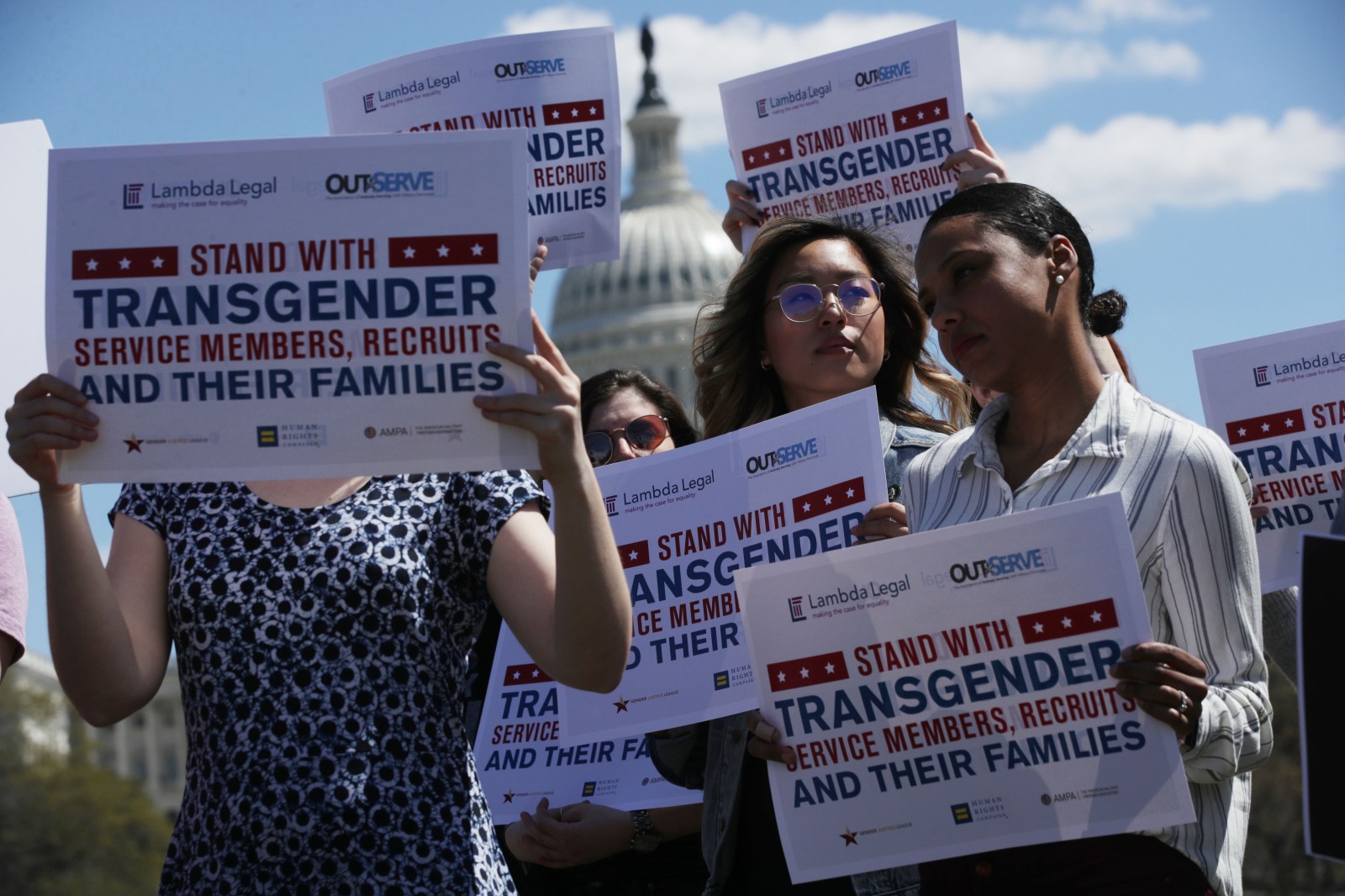
A group of 17 transgender veterans and service members is challenging federal authorities in court to reinstate retirement benefits they claim were wrongfully revoked under the Trump administration’s transgender military policy. This pivotal case was presented in the U.S. Court of Federal Claims and seeks to determine whether the Air Force acted unlawfully in canceling early retirement approvals for transgender troops following President Donald Trump’s executive order limiting transgender military service.
“The Air Force abruptly reversed that promise without cause — ripping away the financial support and benefits that these service members earned, and their families were counting on,” the plaintiffs stated through their legal representatives.
Impact on Veterans
The outcome of this lawsuit could greatly affect the involved service members who are at risk of losing military retirement pensions and health benefits they accrued over their long careers. For veterans approaching retirement, the decision holds significant financial implications, potentially resulting in the loss of substantial lifetime retirement income and health care benefits after dedicating over 15 years to service.
Details of the Case
Known as Ireland v. U.S.A., the lawsuit involves 17 transgender veterans and service members from the Air Force and Space Force, each with a minimum of 15 years of service. They sought early retirement under the Temporary Early Retirement Authority (TERA) program following the Trump administration’s transgender troop ban. The plaintiffs argue that although the Air Force initially approved their retirements, these approvals were later rescinded.
Among the lead plaintiffs, former Air Force Master Sergeant Logan Ireland, who served in Afghanistan, expressed that the government’s actions removed benefits that he and other service members had planned their futures around.
“I raised my hand and served my country honorably for 15 years, including a deployment to Afghanistan,” Ireland stated in an article by Stars and Stripes. “When the promise of earned retirement is revoked, it affects housing, health care, family stability, and long-term financial security.”
The Hearing’s Focus
This week’s hearing centered on the government’s motion to dismiss the case. Federal attorneys claimed that the Court of Federal Claims lacks jurisdiction over the dispute, while the plaintiffs’ attorneys maintain the court can address claims related to military pay and retirement benefits.
The core issue pertains to a 2025 executive order by President Trump that reversed Biden administration policies allowing transgender troops to serve openly. This order stated that service members with a gender identity different from their biological sex did not meet essential standards. Following this directive, the Defense Department determined that troops with a history of gender dysphoria could face separation from service. The plaintiffs claim they were approved for early retirement to avoid this separation, yet those approvals were revoked, leading to their potential loss of retirement pensions and health care access worth millions over their lifetimes.
Alex Beene, a financial literacy instructor at the University of Tennessee at Martin, noted in Newsweek, “If benefits can be rescinded after the fact, it raises major questions about whether service members can rely on promises made to them when policy changes.”
Other Legal Challenges
This lawsuit is one of several legal battles related to transgender military service. A federal appeals court previously found the Trump administration’s policy likely unconstitutional, allowing some active-duty plaintiffs to remain in service amid ongoing legal proceedings. However, this specific case focuses on whether the government can retract promised retirement benefits. Financial expert Michael Ryan emphasized, “It’s not about whether they should’ve been allowed to serve; it’s about whether the government can revoke promised retirement benefits without consequence.”
Next Steps
The Court of Federal Claims must first decide whether to dismiss or proceed with the lawsuit. If the court accepts jurisdiction, it will then evaluate the plaintiffs’ allegations that the Air Force unlawfully revoked early retirement approvals, depriving them of deserved pay and benefits. Success for the plaintiffs would underscore the principle that federal promises remain binding despite political shifts, potentially reinforcing retirement security for current service members.