Changing Home Trends and the Rise of Injectable Medications
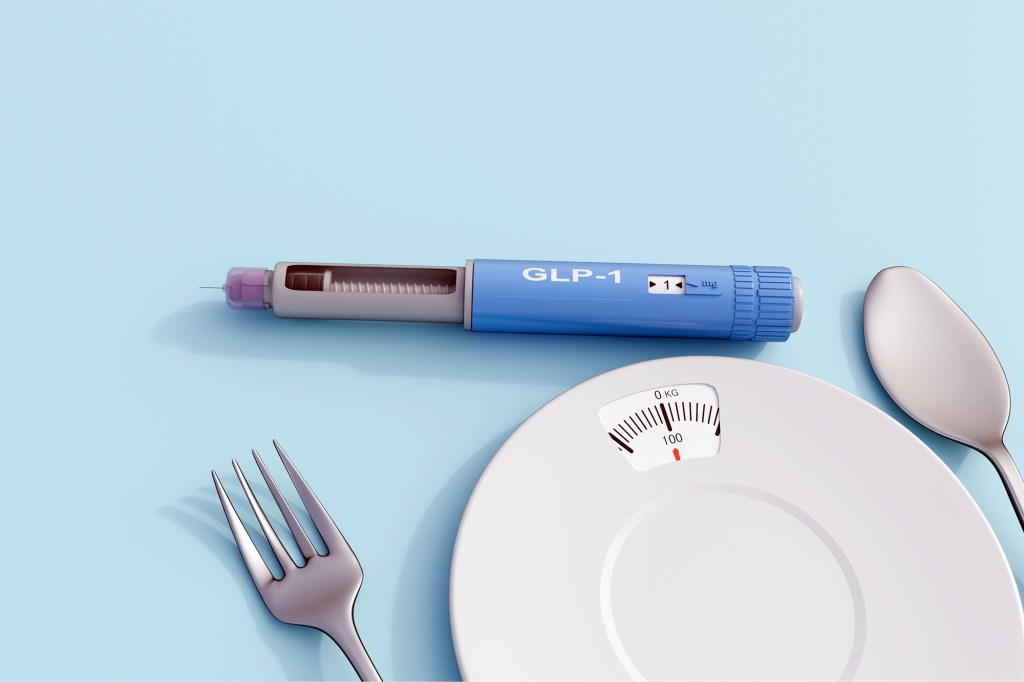
Modern bathroom vanities now offer more than just storage for towels and toiletries. Some come equipped with refrigerators for medication, drawers for syringes, and compartments for needle disposal. In 2025, 21% of U.S. households had at least one GLP-1 user, rising from 9% in early 2025, as per PwC analysis.
Meanwhile, American homes show interest in downsizing. One of the emerging trends in the National Kitchen & Bath Association’s 2027 design forecast is the hidden kitchen. This reflects a growing interest in minimalist design, further driven by the increasing use of injectable medications.
Impact on Household Waste
In New York City, sanitation workers have noticed more needlestick injuries. The Department of Sanitation identified injectable medications as a possible factor, although the needle types remain unidentified. On November 9, fines for improper disposal of medical waste will more than double, despite objections from property owners concerned about controlling tenant waste.
Kitchens with Smaller Footprints
GLP-1 medications reportedly reduce food-related thoughts or ‘food noise.’ With this quieting, some households find themselves needing less food, ultimately questioning how much kitchen space is necessary. PwC research highlighted a 5.5% drop in grocery spending by GLP-1 users who opt for produce, protein, and supplements over snacks, sugary drinks, and alcohol.
Tammy Crosby, CEO of The House Designers, notes a customer preference shift toward compact kitchen designs. This marks a departure from traditional kitchens characterized by opulence. Customers now prefer kitchens with efficiency, like smaller ranges and fridges, abandoning expansive designs.
The Idea of Invisible Kitchens
The concept of invisible kitchens aligns with reducing visual food presence. 81% of industry professionals believe functional kitchen zones will remain common, and 85% support concealing appliances and functional elements within cabinetry, according to the NKBA 2027 Kitchen Trends Report.
This philosophy extends to bathrooms too. The NKBA 2026 Bath Trends Report indicates 72% of professionals predict bathrooms will expand for wellness activities and efficient storage. Designs may include vanities with medication compartments or small refrigerators. However, Crosby warns against overestimating demand for bathroom refrigeration, noting insulin users typically use kitchen refrigerators.
Managing Household Medical Waste
While GLP-1s quiet food noise, discarded needles are becoming a bigger issue. Reports show a significant rise in needlestick injuries in New York City, with numbers climbing from 23 in 2023 to 69 by October of this year. Worker Nicholas Derenzi describes the scary reality of being pricked by a needle through his glove while collecting trash in the Bronx in 2020.
New York City aims to curb these injuries through higher fines, increasing from $100 to $250 for improper medical waste disposal. This change faces opposition from property owners who struggle to manage tenant disposal practices. The Small Property Owners of New York (SPONY) argues that landlords cannot control what tenants or passersby discard.
The Department of Sanitation holds property owners accountable for proper waste management. New regulations enforce penalties for those responsible for disposal violations, but it remains unclear how responsibility is determined in shared buildings.
Technology offers some relief. Mechanized collection methods, including residential trash bins compatible with lift equipment, are reducing worker contact with garbage. However, proper disposal at the source remains crucial. Residents must dispose of sharp objects in designated containers, either discarding them with regular trash or taking them to drop-off sites.