Chevron Considers Iraq Project to Avoid Strait of Hormuz
Chevron CEO Mike Wirth cautions that the risks to global energy supplies are significant amid escalating geopolitical conflicts. In a discussion with Maria Bartiromo on ‘Sunday Morning Futures,’ Wirth addresses oil market volatility, rising gas prices, and the crucial need for Congress to implement permitting reform. He highlights how U.S. production stabilizes international markets.
Amid increasing tensions in Iran and Houthi attacks on Saudi oil facilities, Wirth warns that dangers for the global oil industry are stark. These concerns arise as oil prices rise following President Donald Trump’s suspension of U.S. strikes on Iran and as Saudi Arabia seeks to build an international coalition to protect vital shipping routes.
“We see risks and uncertainties not only in the Strait of Hormuz but also in the Red Sea and the Black Sea,” Wirth stated on ‘Sunday Morning Futures.’ He emphasized that supply challenges and risks are real.
“The world energy system is stressed, and the need for market supplies is greater than ever,” Wirth said.
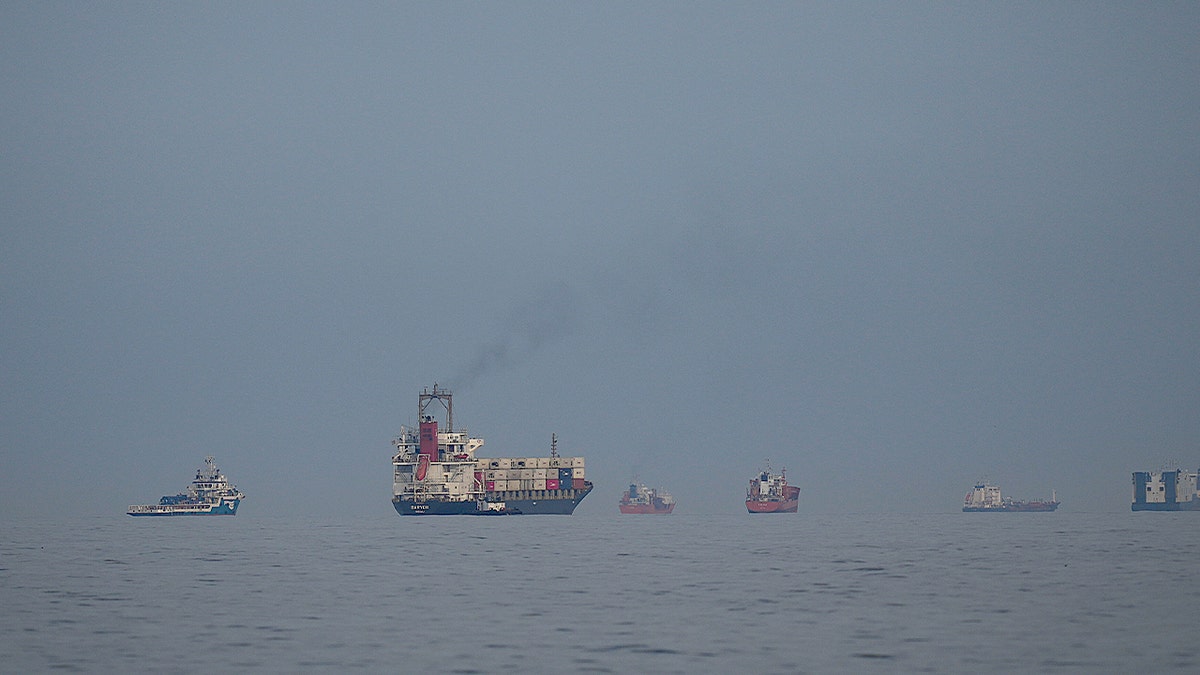
Strait of Hormuz stands out as a critical trade route, deeply affected by the U.S. conflict with Iran. Traffic through this waterway has dwindled to a mere few vessels daily. Meanwhile, Houthi attacks on the Red Sea raise new concerns about that corridor’s reliability.
An image from satellite imagery shows the Bab el Mandeb Strait, a strategic shipping waterway and the entrance to the Red Sea, with Iran threatening to use Yemen’s Houthi allies to close this vital link.
“Energy assets being targeted compounds the energy system’s inability to meet global demand,” Wirth said. “The return to market stability depends on how quickly these issues resolve.” Supply constraints and infrastructure damage add new risks, he noted, which market prices will reflect.
The price of U.S. crude oil hovers around $84 per barrel. The national average price for gasoline is at $4.09 per gallon, nearly $1 higher than last year’s average, according to AAA.
Even with geopolitical uncertainties growing, Chevron’s production has increased 20% year-on-year, with a 5% lift from Q1 to Q2 of 2026. Chevron achieved a record-breaking production of over 2 million barrels of oil equivalent in one day, a U.S. milestone, Wirth said.
Wirth stated that the U.S. has actively worked to alleviate the global oil crisis. Chevron is seeking ways to avoid shipping oil through the Middle East’s vulnerable waterways.
Conversations are ongoing with Iraq about potentially tapping into one or two oil fields. This framework would involve constructing a pipeline northward to the Mediterranean Sea. Such a project would create a new route, bypassing the Strait of Hormuz.