Childcare Issues Rise to Prominence in Recent Elections
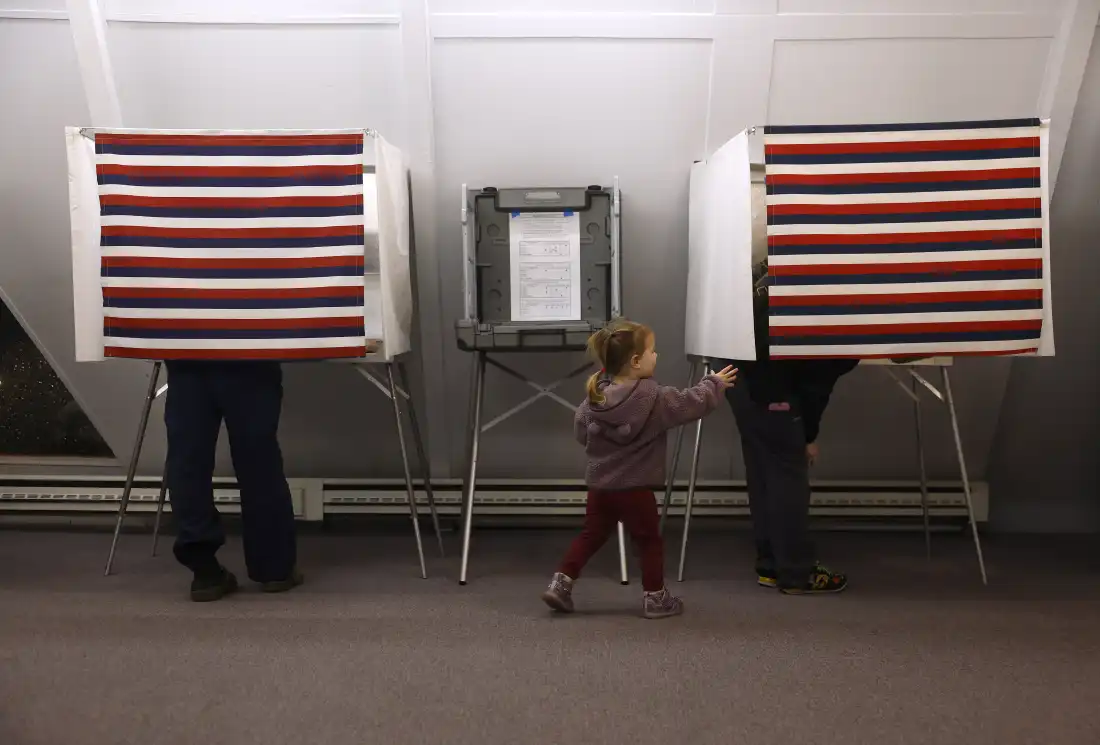
As affordability emerged as a primary concern for voters during the midterms, childcare gained attention as a pivotal issue. This shift highlighted the importance of a topic often sidelined in political debates. Politicians across the United States responded with promises to expand childcare support, capturing voter interest.
Gubernatorial candidates, such as New Mexico’s Democratic Governor-elect Deb Haaland, campaigned on expanding statewide childcare initiatives, promising to broaden the state’s unique universal childcare program. In Congress, incoming members like South Carolina Democrat Annie Andrews, who will be the first pediatrician to hold a Senate seat, emphasized the need for affordable childcare.
Across the nation, voters expressed support for childcare through ballot measures. Cities like Baltimore and San Antonio approved initiatives to direct tax revenues towards local childcare programs. Julie Kashen, founder of the Women’s Economic Futures initiative, remarked on the significance of the recent election in elevating childcare as a critical concern.
Rising childcare costs contribute to financial burdens on families. The average annual cost surpassed $13,000, according to Child Care Aware of America. A July poll by the First Five Years Fund showed that 38% of parents considered childcare a top financial worry, following housing and groceries.
Politicians responded with proposals. Three-quarters of gubernatorial candidates addressed childcare during the midterms. The Campaign for a Family Friendly Economy PAC invested over $40 million in advocating for affordable caregiving policies nationwide.
Melissa Boteach from Zero to Three highlighted a growing recognition of childcare as a social issue, not merely a personal struggle. She noted a shift from the margins to mainstream politics. Historical government investments in childcare, like those during World War II and the COVID pandemic, reinforce its importance.
How Childcare Issues Fared in the Midterms
Public understanding of childcare’s importance influenced election outcomes across the U.S. In Washington, D.C., early childhood systems have been part of the political discourse for years. Mayor-elect Janeese Lewis George emphasized capping childcare costs at 7% of household income and supporting the Early Childhood Educator Pay Equity Fund.
Childcare also appeared in competitive Congress races. In Pennsylvania’s 1st Congressional District, both candidates discussed making childcare more accessible. Despite his contributions to childcare legislation, Republican Brian Fitzpatrick lost the race.
In Georgia, Governor-elect Keisha Lance Bottoms promised to achieve universal pre-K, partly by legalizing casino gambling. Ballot measures to fund childcare succeeded in Colorado’s Boulder County and California’s Marin County.
Yet, some financial initiatives for childcare faced setbacks. St. Louis, Missouri, and Tempe, Arizona, voters rejected sales tax increases aimed at fund childcare expansion. In Florida, a property tax cut could impact local childcare support.
Reversing Threats to Childcare
Zero to Three’s Boteach anticipates the new Democratic majority in Congress will counteract what she sees as recent rollbacks by the Trump administration. These include changes to the Head Start program that may weaken it, as well as attempts to freeze childcare funding.
Previous statements from House Democratic Whip Katherine Clark, expected to be the next majority leader, suggested plans to reverse these changes. Democrats intend to emphasize affordable childcare and seek its policy expansion. Senate Minority Leader Chuck Schumer declared childcare a top priority.
In particular, Democrats focus on extending the Child Tax Credit, which alleviates tax burdens for families. However, President Trump’s stance on cooperating with Democrats remains unpredictable, as he expressed openness to collaboration but also a willingness to veto their legislation.
Julie Kashen described the current administration as lacking prominent advocacy for childcare. Still, past statements from Trump, particularly when Ivanka Trump was a White House adviser, indicate potential for policy development.