Childhood Trauma’s Impact on Adult Apathy and Brain Function
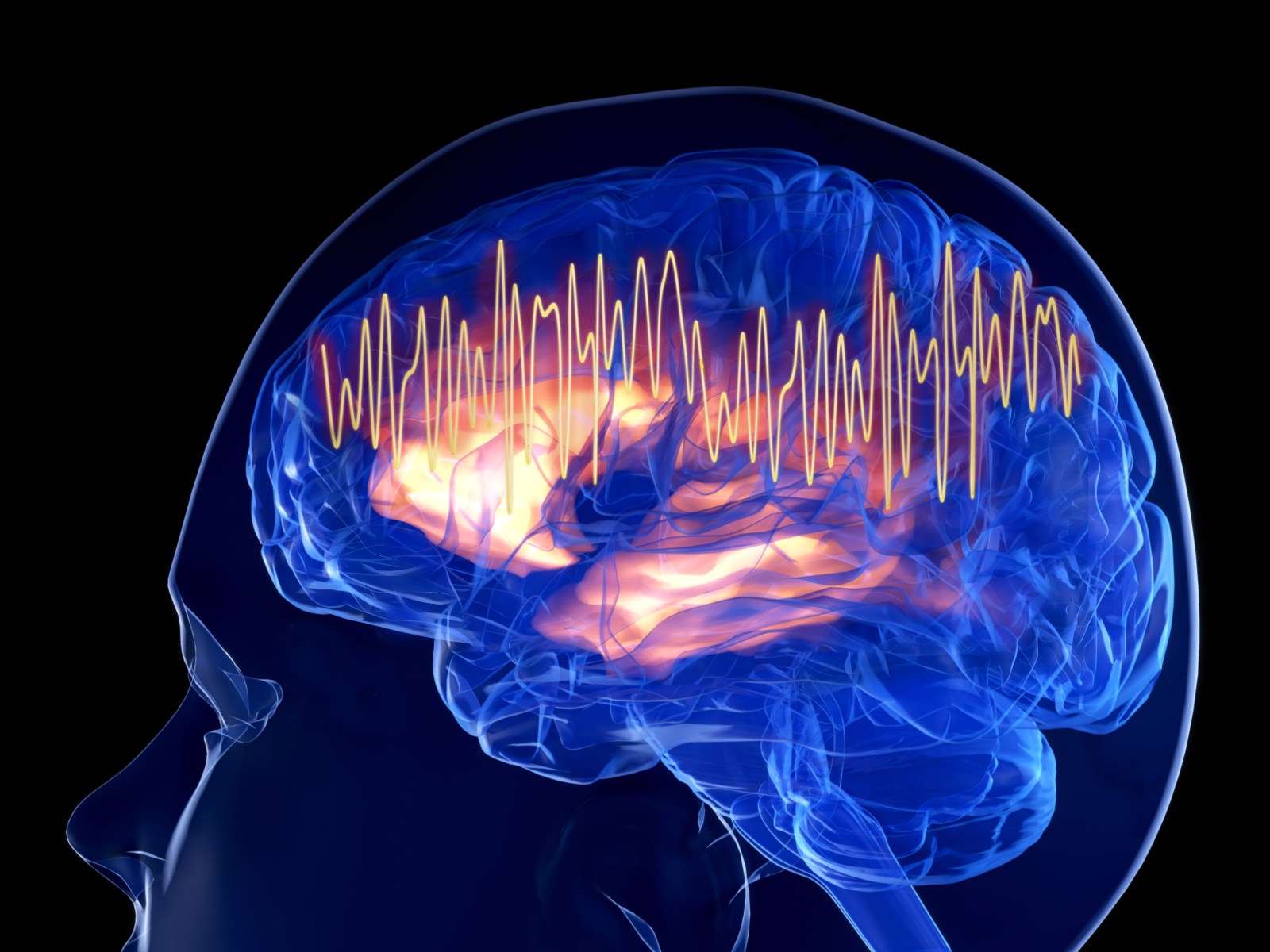
Adults who faced trauma during childhood might be more prone to apathy in later stages of life. Recent research connects this condition to alterations in a brain region known for its memory functions. Matthew Leahy, a licensed clinical psychologist uninvolved in the study, shared insights with Newsweek, highlighting how the findings redefine apathy in people who endured early trauma.
Leahy noted that behaviors perceived as laziness or lack of effort might be rooted in changes in anticipation and response to rewards. This perspective helps in understanding the underlying causes of apathy linked to childhood experiences.
The study led by researchers from Temple University and the University of Oregon reveals an association between early trauma and apathy, alongside decreased capacity for pleasure, termed anhedonia.
The Cleveland Clinic defines anhedonia as the inability to derive joy from life, a common symptom linked with numerous mental health issues, such as depression. The study noted that individuals with disrupted hippocampal activity exhibited more significant effects.
Study Methodology
The research surveyed 92 participants, comprising 37 men and 55 women, to explore their childhood experiences and current enjoyment of positive life events. The selected group included a higher incidence of anhedonia-prone individuals. Participants underwent functional MRI scans, enabling researchers to observe brain activity by tracking blood flow changes.
Focus was placed on the hippocampus and its connections with brain areas relevant to reward and motivation, such as the ventral tegmental area and the nucleus accumbens. Resting connections and hippocampal responsiveness to novel tasks were measured.
Research Findings
Participants with childhood trauma histories generally reported more apathy. However, those with reduced hippocampal connectivity to reward-related regions showed the most pronounced effects. Decreased hippocampal signaling correlated with intense anticipatory anhedonia.
Study co-author Vishnu Murty of the University of Oregon remarked that this work is among the first to link the hippocampus with human apathy beyond its traditional role in memory storage.
The research team aims to pinpoint a hippocampal target to help restore pleasure perception in trauma-affected individuals.
Expanding Trauma Conversations
Leahy emphasized broadening trauma discourse, traditionally focused on fear and anxiety, by incorporating motivation and reward system impacts. He discussed unresolved trauma’s persistent influence on individual worldviews and interactions.
Despite the study’s insights, Leahy urged caution against overinterpreting results. The study shows an association without proving permanent trauma-induced brain changes. Childhood trauma doesn’t necessarily predict apathy or anhedonia, yet offers a pathway for understanding varied responses to early life challenges, potentially guiding future treatments.
Reference: Murty, V. P., O’Brien, K. J., et al. (2026). Functional integrity of mesolimbic-hippocampal circuits is associated with anhedonia in individuals with early life stress. Journal of Neuroscience. https://doi.org/10.1523/JNEUROSCI.0274-26.2026.