China’s Religious Repression and U.S. Response
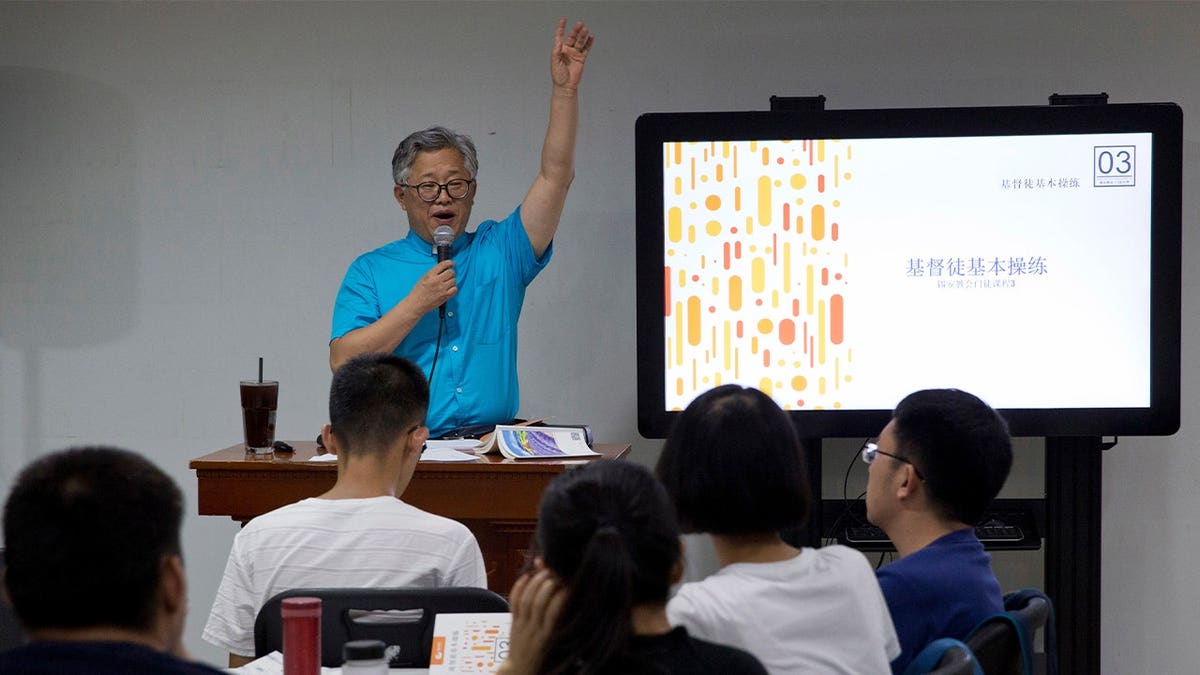
Pastor Ezra Jin, after being released from a Chinese prison, emphasized the importance of religious freedom in China during a gathering on Capitol Hill. His release followed President Donald Trump’s discussion of Jin’s case with Chinese President Xi Jinping.
Detention of Religious Leaders
Pastor Jin was imprisoned because he led the Zion Church in Beijing, an independent Christian congregation not under the Chinese Communist Party’s (CCP) control. In China, religious groups must operate under CCP supervision or face harsh penalties, including harassment and imprisonment. Cases of forced organ harvesting have been reported, particularly targeting Falun Gong practitioners. Currently, ten Chinese Catholic bishops are detained for resisting CCP pressure. Cardinal Joseph Zen, a 94-year-old leader from Hong Kong, was recently convicted for not registering a charity fund, highlighting the government’s crackdown on religious figures.
Widespread Suppression
The CCP’s control extends to various religious communities, including Tibetan Buddhists and Christians. The Panchen Lama, Tibet’s second-highest Buddhist authority, was abducted 31 years ago, and his whereabouts remain unknown. State control over religion opposes the UN’s Universal Declaration of Human Rights, hindering individuals’ freedom to determine their spiritual paths.
Global Implications of Domestic Policies
Beijing’s repression doesn’t stop within its borders. It extends to transnational harassment and disinformation campaigns against dissidents abroad, including in the United States. Reports indicate nearly 300 death threats against Falun Gong practitioners and other religious communities. Recently, Anthropic disrupted China-based operations targeting religious and political dissidents in the U.S.
A troubling example includes a Bronx man convicted of operating a secret Chinese police station in Manhattan, illustrating how China utilizes American resources to suppress those seeking refuge.
The U.S. Response
Xi Jinping’s visit to Washington provides an opportunity for President Trump to address these issues. Countries that restrict religious freedom are unreliable partners and should not be supported financially. The CCP’s control undermines the fundamental rights of its citizens, and the international community must oppose such practices.
The Cost of Freedom
Freedom comes at a cost, but the fight against oppression is necessary. President Trump has confronted China by imposing tariffs and challenging its alliances with countries like Iran and Venezuela. This international stance supports those persecuted for their faith, urging them not to submit to CCP control.
When Xi visits Washington, it is crucial for the U.S. to make clear its opposition to Beijing’s strategies of repression. Advocates like Sam Brownback, former ambassador at large for International Religious Freedom, stress the importance of standing up for individuals’ rights to faith and freedom.