Choosing Sustainable Seafood: Tips and Recommendations
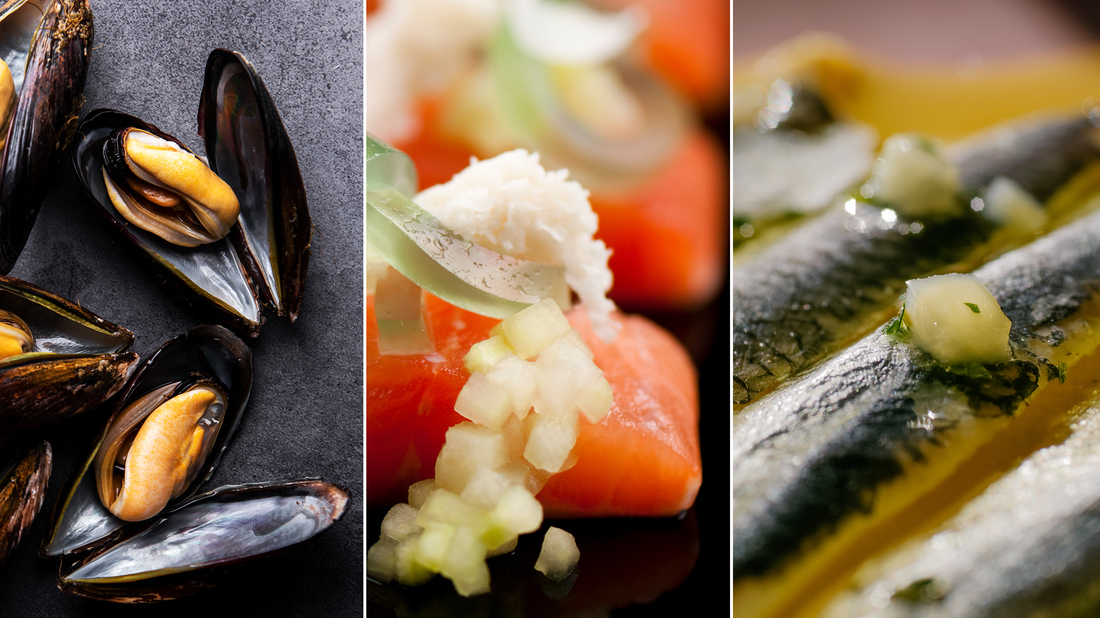
When looking to consume sustainable seafood, there are several choices you can consider. Mussels from the U.S., Arctic char from Canada, and anchovies from the U.S. are often good options. With the ocean offering many beloved dishes, the demand for seafood is high. According to the U.N. Food and Agriculture Organization, approximately 179 million tons of fish were harvested in 2018. However, this demand has led to issues like overfishing, causing species such as Atlantic cod to decline.
Impact of Overfishing
Overfishing and harmful fishing practices have had severe effects on marine life. For instance, the Maui dolphin faces near extinction. As a consumer, knowing whether the seafood you purchase supports sustainable practices is crucial.
Importance of Sustainable Choices
Jennifer Dianto Kemmerly, from the Monterey Bay Aquarium in California, emphasizes that choosing sustainable seafood sends a clear signal to the industry about consumer preferences for healthy and responsible options.
Ask the Right Questions
When uncertain about the sustainability of seafood at a supermarket or restaurant, ask specific questions:
- Is the fish pole or line-caught? This method is typically more sustainable as it allows unwanted catch to be released.
- Is the fish caught in the U.S.? The U.S. has stringent regulations, and most fisheries adhere to sustainable practices.
Conduct Research
If direct questions aren’t possible, research is vital. Utilize resources like Seafood Watch, NOAA’s FishWatch, or the Environmental Defense Fund’s Seafood Selector for information on the sustainability of specific fish like pink shrimp from the U.S. or Argentine red shrimp.
Don’t be Misled by Labels
Labels such as “wild-caught” or “farm-raised” don’t inherently indicate sustainability. Focus on the environmental impact of the seafood instead.
Explore New Seafood Options
Consider trying lesser-known, sustainable options like farmed mussels or Arctic char. These options are nutritious and have a lower environmental impact.
Diversifying your seafood choices not only reduces pressure on popular species but also offers new culinary experiences.
Sustainable seafood choices play a vital role in the health of marine ecosystems. Your thoughtful consumer decisions can drive positive change.