Colombian Presidential Runoff: A Divided Electorate Faces Key Decision
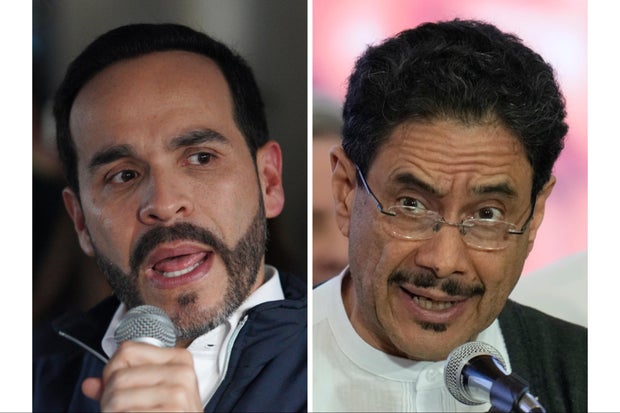
On Sunday, Colombia’s electorate will face a crucial decision in a presidential runoff that sees a progressive candidate competing against a conservative outsider. Both candidates have tapped into fears of renewed internal conflict, representing starkly different political extremes.
A Colombian lawyer, John Manrique, expressed concern about the polarization within the country. He highlighted the worry about extreme sides and violence, urging citizens to accept the election results peacefully.
Over 41 million people are eligible to vote between Iván Cepeda, a far-left senator allied with the ruling Pacto Histórico party, and Abelardo de la Espriella, a far-right lawyer whose style mirrors that of President Trump and Nayib Bukele of El Salvador.
“There are two very extreme sides, and the violence is concerning,” Manrique said.
Both presidential candidates offer strategies aimed at preventing violence such as car bombs, kidnappings, and disappearances, which have plagued Colombia in past decades. De la Espriella advocates for a heavy-handed approach, earning President Trump’s endorsement, though President Gustavo Petro views Trump’s involvement as interference.
Petro warns of potential political violence if the conservative right assumes power, indicating concerns about Colombia’s future and its relationship with the United States.
Cepeda promises to continue Petro’s efforts to establish dialogue with illegal armed groups, despite past failures. The candidates also propose differing solutions to tackle Colombia’s healthcare system, its rising national debt, and corruption issues.
In the May 31 first round, official results showed Cepeda with 41% of the votes and de la Espriella leading with 44%. Petro questioned the results, given Cepeda’s previous leading position in polls.
The election takes place a decade after Colombia’s peace pact with FARC, initially offering hope but later overshadowed by violence as rebel groups shifted towards drug trafficking.
Last year saw the highest homicides since 2015 at 14,780, linked to clashes among armed groups. Extortion cases also increased to 13,417 in 2025, surpassing figures from 2015.
De la Espriella, called “The Tiger,” aims to combat crime with policies similar to Bukele’s, including building mega-prisons—an approach met with human rights concerns.
Cepeda seeks to achieve “total peace” through negotiation, a strategy Petro initiated in 2022. The first disarmament by an armed group occurred recently, marking a potential step towards reintegration.
“The left has always been viewed negatively,” said Yamile Guevara, a retired teacher backing Cepeda. “How can they not think carefully about which candidate they are going to elect?”
The runoff’s lead-up has seen candidates exchanging verbal attacks, allegations of fraud, and accusations of paramilitary ties. Cepeda filed complaints against de la Espriella, which he denied.