Common Habits That Affect Bone Health
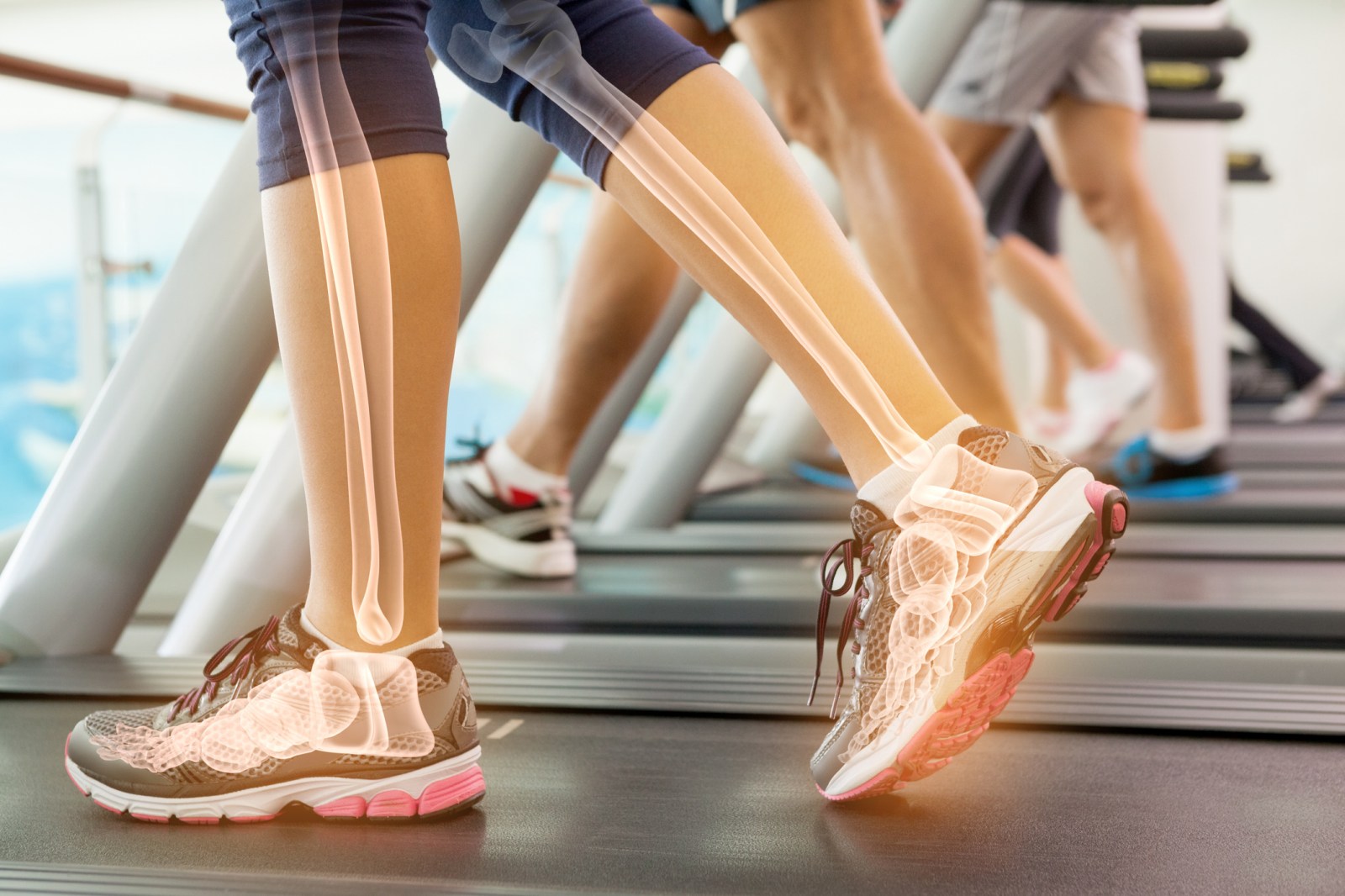
Wear and tear on our bones are a natural part of aging, but certain daily habits may impact bone health more than you might realize. Reports based on national health survey data and U.S. Census figures estimate that around 53.6 million Americans aged 50 and older live with osteoporosis or low bone mass. Osteoporosis weakens bones, making them susceptible to fractures.
Caffeine Consumption
Many rely on coffee daily, but excessive intake can negatively affect bone health. A study by researchers from Flinders University in Australia followed nearly 10,000 older women for a decade. The findings indicated that tea drinkers had slightly stronger hip bones, while drinking over five cups of coffee daily correlated with reduced bone density.
“I wouldn’t advise giving up morning coffee,” said Carla Pozner, a registered osteopath specializing in the musculoskeletal system. “However, caffeine can interfere with calcium absorption and bone metabolism. Moderation is essential.”
If you drink coffee throughout the day, especially if combined with habits affecting bone health, consider evaluating your overall lifestyle.
Prolonged Sitting
A study by the National Center for Biotechnology Information indicates that U.S. adults spend about 9.5 hours sitting daily. Nearly half of this time involves leisure activities like watching television, browsing the internet, or using computers, emphasizing sedentary behavior.
“One major mistake for bone health is not using your body enough,” Pozner noted. “Bone is living tissue and responds to forces, so weight-bearing and resistance exercises are crucial.”
Walking, stair climbing, dancing, yoga, and strength training support bone health. She also emphasizes caring for the entire musculoskeletal system, suggesting that maintaining muscle strength, mobility, and balance supports bone health and reduces the risk of falls and fractures as we age.
Calcium Focus
Calcium is vital for strong bones. Without adequate calcium intake, the body pulls it from bones, weakening them and increasing osteoporosis risk. However, Pozner cautions against focusing solely on calcium.
“Our bones need more than calcium alone,” she stated. “A varied diet with calcium, vitamin D, and protein is essential for the health of both bone and muscle.”
No single “superfood” ensures strong bones. Instead, Pozner suggests a balanced diet, regular exercise, proper hydration, and outdoor activities for overall health.
Alcohol Consumption
A University of Catania meta-analysis involving nearly 300,000 individuals found that drinking three or more alcoholic beverages daily correlated with a higher risk of hip fractures.
“Excessive alcohol consumption can disrupt normal bone remodeling, affecting the cells that build new bone,” Pozner explained. “It also impacts calcium and vitamin D metabolism.”
Long-term heavy drinking contributes to weaker bones and increases fracture risk.
Ignoring Bone Health Until Old Age
Bone health is often associated with older age, but its foundation begins much earlier. The American Academy of Orthopaedic Surgeons notes that peak bone mass occurs between ages 25 and 30. After around age 40, bone mass gradually declines.
“A common misconception is that bone health concerns only the elderly,” Pozner said, emphasizing the importance of lifelong bone care.
Pozner encourages a lifelong focus on bone health, particularly for women, who may experience accelerated bone loss during and after menopause.
Supporting Bone Health
Developing healthy habits early is Pozner’s advice. She recommends the following simple exercises for those starting strength training:
- Chair Squats: Lower yourself toward a chair and then stand up, using leg and glute muscles.
- Wall Press-ups: Place hands on a wall, bend and straighten elbows to strengthen the upper body.
- Calf Raises: Rise on your toes and lower your heels, holding something for balance.
“Begin comfortably, focus on technique, and incrementally increase repetitions or resistance,” Pozner advised. “Aim for a strong, resilient musculoskeletal system for the future.”