Concerns Over Chinese Influence on U.S. Elections and University Espionage Risks
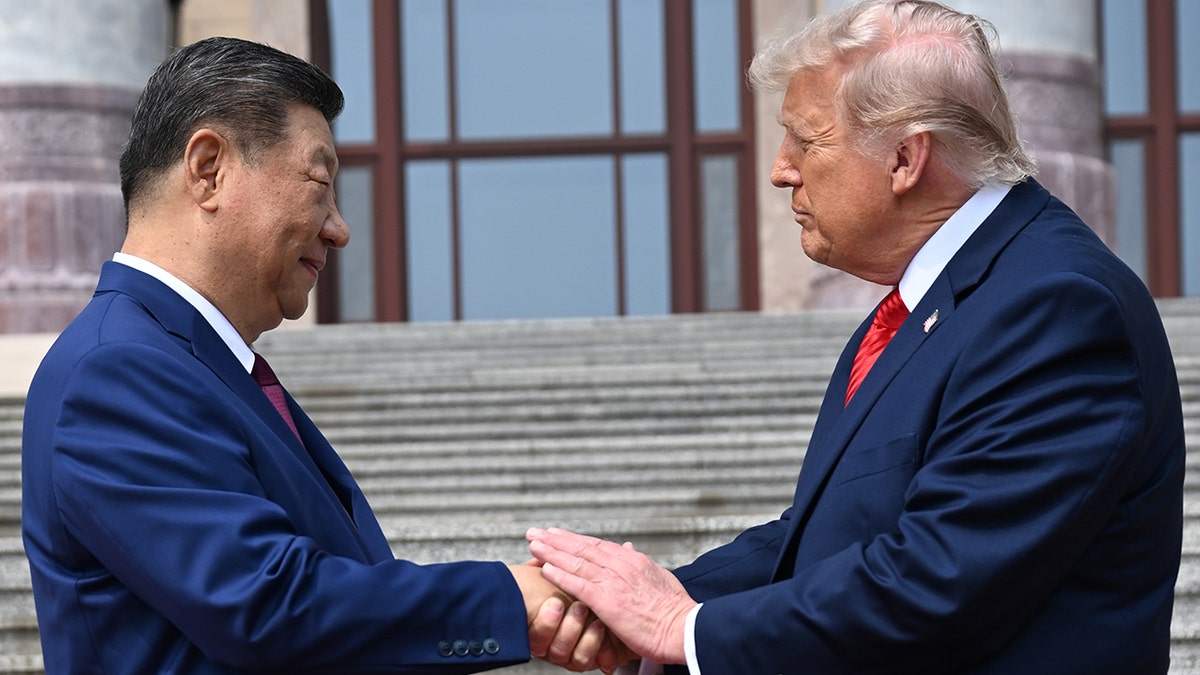
The President of the United States addressed the nation on Thursday, expressing strong concern over China’s interference in American elections. He emphasized the threat posed and highlighted the need for enhanced security in voting procedures.
The focus on China has raised an essential question: how will the U.S. respond? One immediate action could be reconsidering the acceptance of large numbers of Chinese students in American universities. These institutions conduct critical research and may be vulnerable to espionage.
“The U.S. should reduce Chinese student visas promptly,” the President expressed.
On the same day the President spoke, the Department of Homeland Security announced stricter foreign student visa regulations. This correlates with the President’s sentiments on Chinese student visas.
The President accused China of accessing millions of files with voter information to manipulate the 2020 presidential election. He alleged that China aimed to persuade business leaders against his candidacy and targeted journalists reporting negatively about him, offering them monetary incentives to increase critical coverage.
The government released heavily-redacted intelligence suggesting these claims. It remains vital to ensure election systems remain secure, safeguarding personal information of American voters. Voters deserve assurance of a fair voting process representing American citizens’ true wishes.
In an essential development, the President announced in August 2025 acceptance of 600,000 Chinese students into the U.S., defending it as a diplomatic necessity during crucial trade talks. This decision met resistance from political supporters, causing the White House to clarify it as policy continuity.
Secretary of State Marco Rubio had previously vowed to revoke Chinese visas, mainly for people associated with the Chinese Communist Party (CCP). Rubio stressed in Senate hearings that China represents a primary geopolitical adversary.
China’s leadership highly values U.S. student visas; President Xi Jinping, in power longer than any leader post-Mao Zedong, has ambitions to surpass the U.S. in global influence.
Expert Matt Pottinger noted Xi aims to weaken Western influence and establish an antidemocratic world order. Achieving this requires data collection on Americans to influence public opinion, divide societies, and bolster Chinese advancements in key technological fields.
Reports from the Department of Homeland Security reveal ongoing challenges since 1978 with international students staying indefinitely by re-enrolling in courses.
This issue correlates with the presence of hundreds of thousands of Chinese students, particularly in STEM fields. While the U.S. encourages such educational exchanges, every visa applicant from China must undergo strict government and CCP vetting, raising security concerns.
The President’s speech serves as a pivotal moment to unify bipartisanship towards secure elections and deterring espionage, reinforcing measures against China’s exploitation of American openness.