Concerns Over Public Health Leadership and Infrastructure
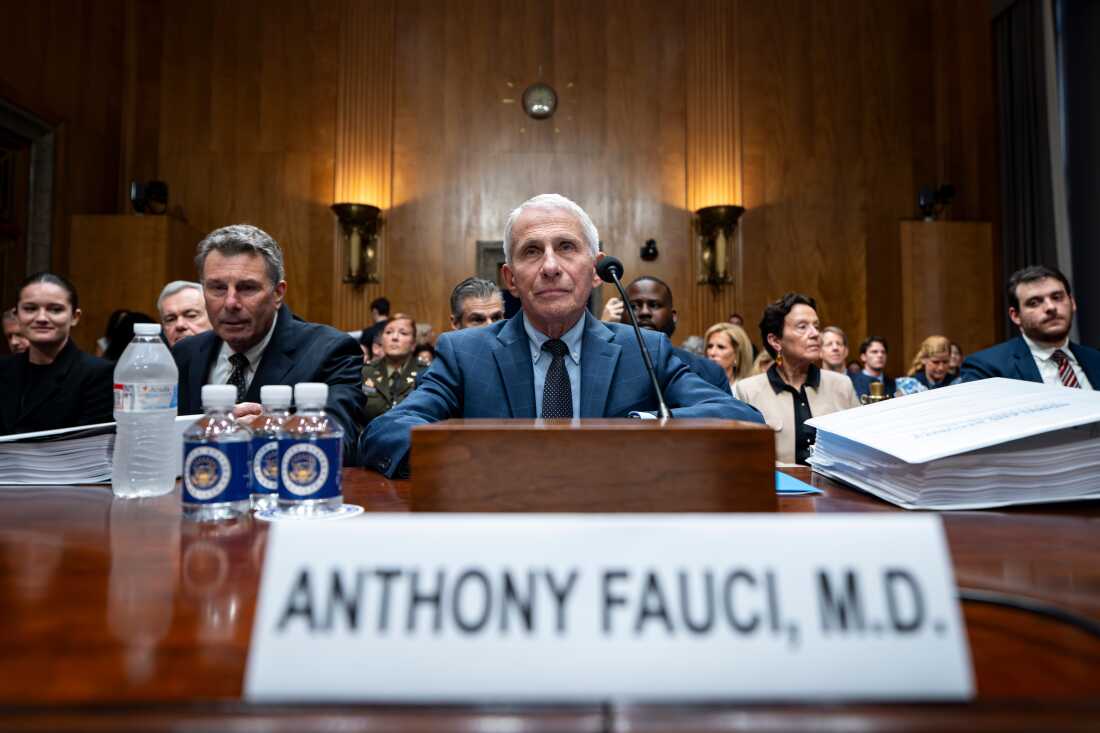
Former director of the National Institute of Allergy and Infectious Diseases, Anthony Fauci, recently faced scrutiny during a Senate hearing. For three hours, he exercised his Fifth Amendment right, declining to answer questions about COVID-19 origins. This led Sen. Rand Paul to consider holding Fauci in contempt of Congress. Paul’s claims about a lab-originated virus, which Fauci refutes, have resurfaced.
This scrutiny has prompted concerns among Democrats and health experts about the impact on public health staffing and infrastructure in the U.S. Andy Kim, D-N.J., highlighted the potential “chilling effect” on future public health professionals. He expressed gratitude to Fauci and criticized the demonization of public servants. Other public health experts worry about the erosion of the field they dedicated their lives to, threatening future health outcomes.
Health Freedom Movement
During the pandemic, ‘health freedom’ became prominent, characterized by rejection of medical interventions. Nicole Huberfeld, a health law professor at Boston University, noted that objections to vaccinations were often based on moral or religious grounds, not empirical evidence. Policies like masking and social distancing faced opposition, partially due to initial pushbacks during the Trump administration.
Interest in health freedom decreased under the Biden administration but has resurged. Huberfeld suggests leaders influence public attitudes. She noted that Republican lawmakers during the hearing seemed to engage their base, undermining public health efforts.
Consequences of Health Leadership Erosion
Dr. Georges Benjamin, from the American Public Health Association, pointed out that the erosion of trust in public health has measurable impacts. Ineffective responses to diseases like hantavirus and measles highlight this decline. Huberfeld emphasized that cuts to health care exacerbate these issues, potentially leading to preventable deaths.
Additionally, professionals like Benjamin express concerns over the chilling effect of current political environments on the ability to present evidence-based information. The intimidation from political figures, as seen with Fauci, might deter honesty and transparency.
The Future of Public Health Personnel
Katelyn Jetelina, an epidemiologist, is worried about the future pipeline of public health professionals. Declining enrollment numbers and student concerns about professionalism highlight these fears. The general atmosphere of vilification and the challenges encountered by leaders like Fauci raise questions about future emergencies.
Jetelina advocates for systems fostering conversations between health professionals and the public. Honest engagement with public concerns could improve trust and operations. She calls for a comprehensive review, akin to the 9/11 Commission, to understand past actions regarding COVID-19 and improve future responses.
Timely action is vital, emphasizes Benjamin. Challenging science diminishes national health, exposes vulnerabilities to pathogens, and hampers efforts to provide care to communities.