Controversy in Baseball: The Use of ‘Boy’ and Its Consequences
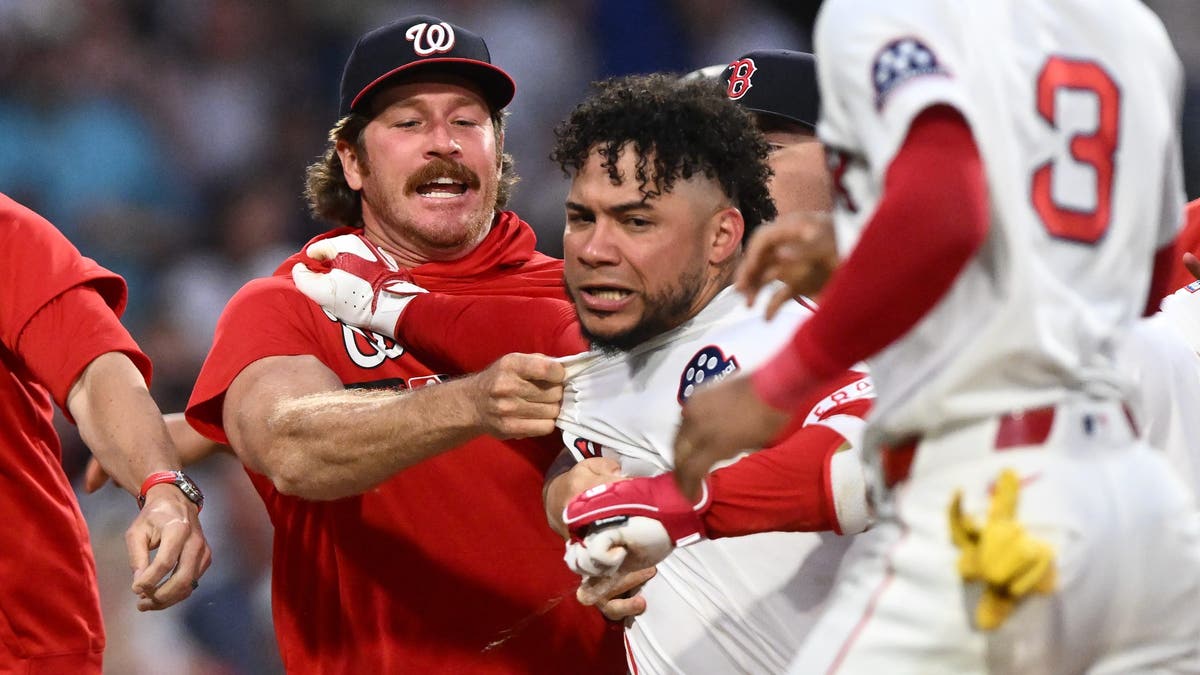
In recent sports discussions, certain incidents highlight changing perspectives on language and actions in games. A notable altercation occurred between Washington Nationals pitcher Cade Cavalli and Red Sox catcher Willson Contreras, sparking debates on racial implications and sportsmanship.
Incident Overview
During a game, Cavalli struck out Contreras, who responded to a comment from Cavalli as he walked away. Cavalli’s words, “Sit down, boy,” provoked Contreras, leading to a benches-clearing situation. Contreras escalated the matter by throwing his helmet at Cavalli, resulting in ejections for him, Miles Mikolas, Nate Eaton, and Boston’s interim manager Chad Tracy.
Media and Public Reactions
Media outlets and commentators quickly focused on Cavalli’s use of “boy,” a term historically deemed racially insensitive when directed at Black individuals. However, Contreras, being Venezuelan, added complexity to the interpretation of the situation.
Cavalli later apologized, expressing regret for any unintended racial interpretations. He addressed the potential impact his words might have had on fans, especially younger audiences looking up to him.
Comparisons and Context
Critics argue that the reaction to Cavalli’s comment was disproportionate, especially when compared to other instances in sports where similar language has been overlooked. High-profile athletes like LeBron James and Kevin Durant have used the word “boy” without significant backlash.
In the aftermath, MLB decided on a seven-game suspension for both Cavalli and Contreras, attributing equal blame for the incident. This decision raised questions about fairness, given the differing levels of aggression displayed by the players.
Suspend and Fine Decisions
The response from MLB included additional suspensions: Miles Mikolas received five games and Nate Eaton three games. All suspended parties had the option to appeal these decisions. The consistency and rationale for these suspensions remain debated among fans and analysts.
Observers argue the current sports environment emphasizes over-sensitivity and virtue signaling, reflecting broader societal shifts in handling disputes and language. Some see this as undermining the competitive spirit and robustness traditionally associated with sports.
Conclusion
This event, along with similar controversies, fuels the ongoing dialogue about language, perception, and accountability in professional sports. The cultural and social implications continue to evolve as the league and its fans navigate these complex issues.