Controversy Surrounding Flock Safety’s ALPR Cameras
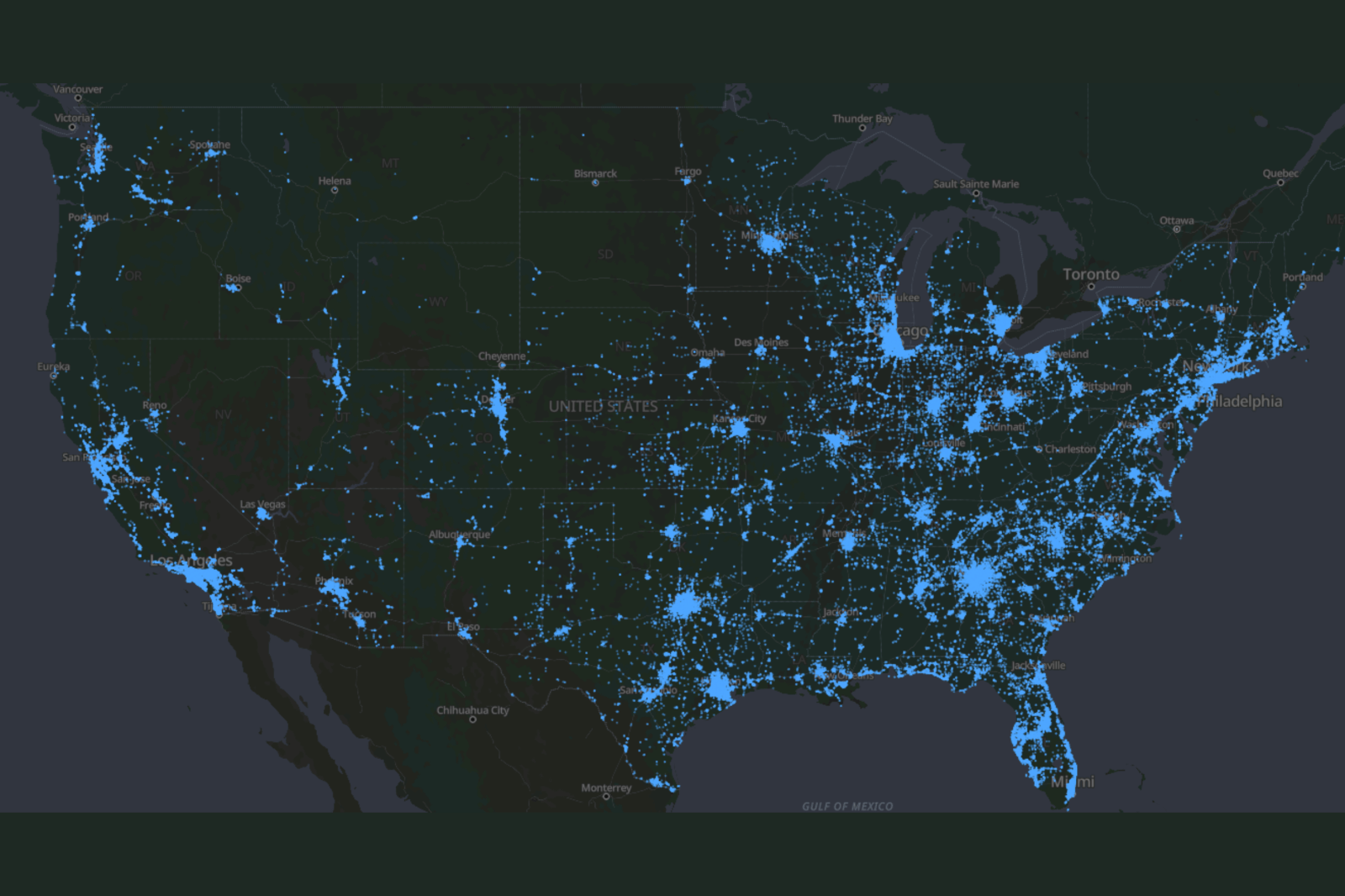
Flock Safety operates a vast network of automated license plate reader (ALPR) cameras strategically placed on roads, intersections, and neighborhood entrances. These cameras capture license plate data, vehicle color, make, model, and other identifiable details. Law enforcement agencies can search through this information, and supporters argue the system is a vital investigative tool.
Numerous law enforcement agencies across the United States credit Flock cameras with successfully identifying suspects, recovering stolen vehicles, and aiding in criminal investigations. These successes have propelled the company’s rapid expansion, and Flock cameras now function in thousands of U.S. communities. Meanwhile, anti-surveillance group DeFlock reports the presence of over 122,000 license plate reader cameras nationwide.
Why Are Flock Cameras So Controversial?
The controversy arises from the same feature that supporters praise: the capability to track vehicle movements. Critics argue that while a single camera captures a momentary image, a network can create a detailed record of a person’s movements over time. Privacy advocates express concern that such systems might expose where people live, work, worship, or attend political events.
Opposition to Flock cameras extends beyond traditional privacy groups. Some communities across the country have rejected or removed these camera networks due to surveillance and civil liberties concerns. Additionally, several Republican lawmakers have advocated for legislation to more strictly regulate or restrict automated license plate reader technology, citing privacy rights and constitutional protections, such as those in the Fourth Amendment, as being under threat.
Concerns also focus on potential misuse of the system. Allegations have emerged against officers in various jurisdictions for improper access to license plate reader databases, prompting questions about the effectiveness of abuse prevention safeguards. Supporters argue these cases of misuse should not overshadow the technology’s role in solving crimes; they suggest that enhanced oversight and access controls can address abuse without discarding a useful law enforcement tool.
The Fourth Amendment Considerations
The constitutional debate centers around the Fourth Amendment, which protects against “unreasonable searches and seizures.” Historically, courts have ruled that individuals lack a reasonable expectation of privacy in public information, such as license plates on roadways. Thus, recording a license plate does not typically constitute a Fourth Amendment search.
Supporters of Flock cameras rely on this principle. However, critics argue that modern surveillance technologies change the dynamic. They suggest the real issue is whether collecting and integrating millions of observations into a searchable database to track a person’s movements infringes on privacy rights.
Critics reference the Supreme Court’s 2018 Carpenter v. United States decision, which found that cellphone location records, though held by wireless carriers, are private due to their detailed nature. Privacy advocates argue that large ALPR systems pose similar privacy concerns by potentially revealing long-term patterns of people’s movements and interactions.
Legal Challenges and Decisions
As of now, no court has definitively deemed Flock cameras unconstitutional. A significant legal challenge is the case Schmidt v. City of Norfolk, concerning Norfolk, Virginia’s citywide Flock camera network. Plaintiffs claimed that gathering and storing location data from numerous drivers represented an unlawful, warrantless search violating the Fourth Amendment.
In January 2026, a federal judge ruled in favor of the city, stating that Norfolk’s camera use did not breach the Constitution. The judge found the system did not track all of a person’s movements and relied primarily on publicly observable information. The case is currently on appeal and could be pivotal in determining how constitutional privacy protections apply to contemporary surveillance technology.
The Wider Surveillance Debate
The debate over Flock cameras has sparked tools and activist projects meant to expose the extent of the Flock camera network. FlockHopper is one such initiative aimed at illustrating the interconnectedness of ALPR systems across different jurisdictions. Privacy advocates argue these projects demonstrate how surveillance networks function and how vehicle data can be accessed beyond its original collection area. In contrast, supporters emphasize that data sharing is crucial for investigating crimes that cross city and state boundaries.
A Constitutional Test for the Digital Age
The disagreement over Flock cameras extends beyond license plates. Supporters view the technology as an asset for solving crimes, while critics see it as a burgeoning surveillance system recording movements of millions with no alleged wrongdoing. Although courts uphold that there’s no privacy interest in what is visible on public roads, the unresolved question is whether mass data collection, long-term storage, and cross-jurisdictional searches constitute something fundamentally different.
This question is actively being explored in courts, legislatures, and city councils across the country. The eventual outcome will likely influence how Fourth Amendment protections relate to new surveillance technologies.
Newsweek has contacted Flock Safety and Orin Kerr, a Stanford Law School professor and noted Fourth Amendment scholar, for comments.