Controversy Surrounding Trump-Iran Memorandum of Understanding
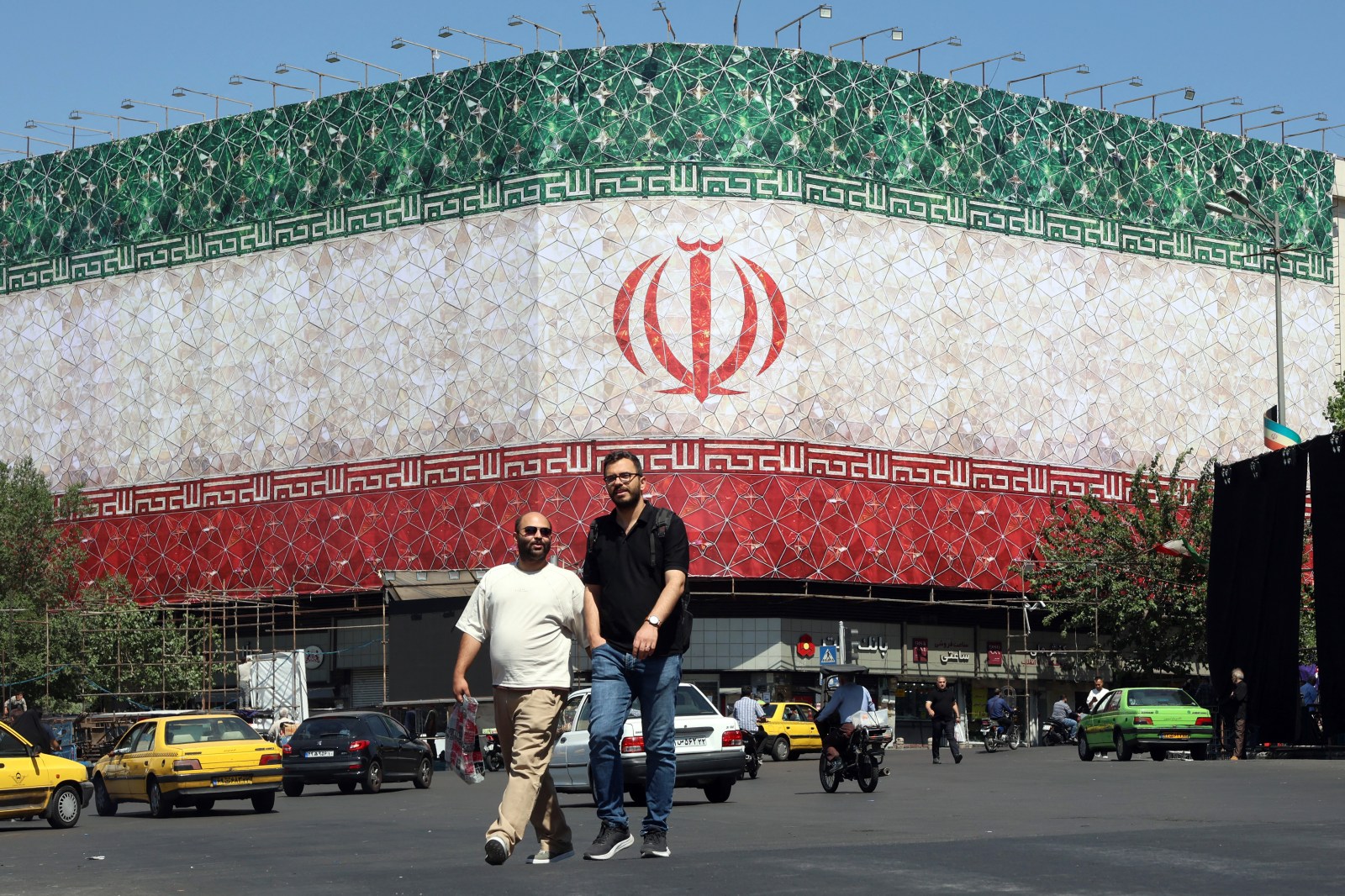
President Trump Announces MOU to Unblock Strait of Hormuz
President Donald Trump recently took to Truth Social to announce a deal aimed at unblocking the Strait of Hormuz. This move is part of a memorandum of understanding (MOU) meant to end the Iran War. However, the MOU has sparked criticism, including remarks from a Democratic Senator who claims it signifies a surrender.
Mixed Reactions to the Strait Reopening
The reopening of the Strait of Hormuz has been met with praise towards President Trump. However, concerns have emerged among key stakeholders. Israel has been notably critical. Yediot Aharonot, a Hebrew daily, criticized the agreement as a “bad deal.” Israel had no involvement in the negotiations, despite two wars against Iran last year. The MOU also leads to the lifting of the U.S. retaliatory blockade of Iranian ports. More detailed discussions regarding Tehran’s nuclear program and sanctions are expected over the next 60 days.
Lack of Clarity Raises Concerns
Hamidreza Azizi, an Iran expert at SWP Berlin, noted the lack of clarity on the MOU’s provisions, thus making reliable judgments difficult. “There is still room for misunderstandings or miscalculations,” Azizi said.
Israel’s Discontent
Israel’s far-right finance minister, Bezalel Smotrich, labeled the MOU as detrimental not only to Israel but to the “entire free world.” He pledged to continue pushing for changes within the Tehran regime. Meanwhile, party leader Gadi Eisenkot, challenging Prime Minister Benjamin Netanyahu, emphasized a disconnect between Netanyahu’s promises and the emerging deal. In the U.S., Democratic Senator Chris Murphy criticized the MOU, stating it appeared to be Iran’s terms. Murphy expressed concern over Iran receiving billions in frozen funds from the U.S., potentially reducing Washington’s leverage in future talks.
Questions Over the Strait of Hormuz
Nate Swanson, from the Iran Strategy Project, commented on the temporary benefits of the MOU. Yet, unresolved issues remain, such as the mechanics of the Strait of Hormuz and broader Iranian concessions. Swanson noted challenges with achieving a second phase, given both U.S. and Iranian structural incentives.
Both Trump and Iran’s Deputy Foreign Affairs Minister Kazem Gharibabadi stated an agreement would be signed in Switzerland. However, control over the Strait of Hormuz is still a priority for Tehran. The MOU affirms shared sovereignty between Iran and Oman. Reports suggest Iran will allow toll-free passage for 60 days. Beyond that, Iran plans on using revenue from commercial shipping for economic development. This indicates Tehran’s intent to retain control of the waterway.
Ongoing Israeli Presence in Lebanon
Israel has vowed to continue its occupation of Lebanon, following Hezbollah’s attacks in support of Iran. National Security Minister Itamar Ben-Gvir stated the MOU, as promoted by Trump, does not bind Israel. Defense Minister Israel Katz echoed sentiments of Israeli forces remaining in Lebanon indefinitely. This decision follows support from Hezbollah in Lebanon amidst conflicts.
Israeli attacks have led to significant demolition in southern Lebanon, an action many describe as occupation. Lebanese President Joseph Aoun expressed hopes for a deal concluding the conflict with Hezbollah, but comments from Katz and Ben-Gvir indicate continued Israeli presence.