Cuba Faces Repeated Power Grid Failures Amid U.S. Energy Restrictions
On Friday, Cuba’s power grid experienced another nationwide collapse, leaving millions without electricity for the sixth time since early this year. This disruption follows the U.S. decision to halt fuel supplies to the island, severely affecting Cuba’s energy capabilities.
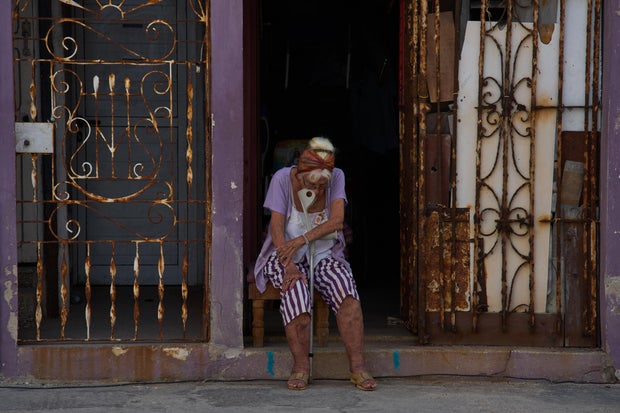
The Ministry of Energy and Mines announced the widespread outage via its official communication channels. They stated that efforts to restore power services were underway. Mercedes Rodriguez, a resident of Havana, expressed her frustration: “No one can stand these constant blackouts. There isn’t enough food, there’s no water, there’s no electricity. You have no idea.”
According to reports, a failure in transmission lines in the western region of Cuba led to the grid collapse. This incident affected areas extending to Matanzas province, and the eastern part of the island was subsequently cut off.
The official state newspaper, Granma, noted that “unstable” weather conditions further strained the power grid.
By evening, electricity was restored to approximately 5% of users in Havana, which serves about 862,000 customers. In response, authorities began creating small power-distribution networks, called “micro-islands,” in provinces like Camagüey, Pinar del Río, and Granma. Hospitals and emergency facilities were also prioritized for power restoration.
Abilén Marrero, another Havana resident, shared her outlook: “Maybe it’ll come back this afternoon or tomorrow. There’s no way to know. We just have to wait.”
In recent years, Cuba has experienced worsening economic conditions, leading to frequent power outages. The situation has deteriorated since the U.S. imposed an energy blockade designed to force changes in Cuba’s political system. President Trump signed an order imposing tariffs on countries providing oil to Cuba.
This decision limits Cuba’s ability to import necessary fuel and parts for its power plants. Since January, only one Russian fuel tanker has reached the island. Cuba suffered previous nationwide blackouts in early August and regional outages have been frequent.
Ernesto Soberón Guzman, Cuban ambassador to the United Nations, described the situation as “collective punishment.” The blackouts have disrupted essential services, including transportation, work, and healthcare. Daily activities like cooking, water provision, and communication services also suffer.
Meanwhile, the U.S. government reportedly considered military options against Cuba, although officials indicated no action was decided. Secretary of State Marco Rubio stated the preferred approach is diplomacy, aiming for a peaceful transition to a reformed government in Cuba. However, this has stalled, despite the Trump administration’s efforts.
President Trump has cited past U.S. actions in Venezuela as a model for potential change in Cuba.