Current Polling Trends and Potential 2028 Presidential Candidates
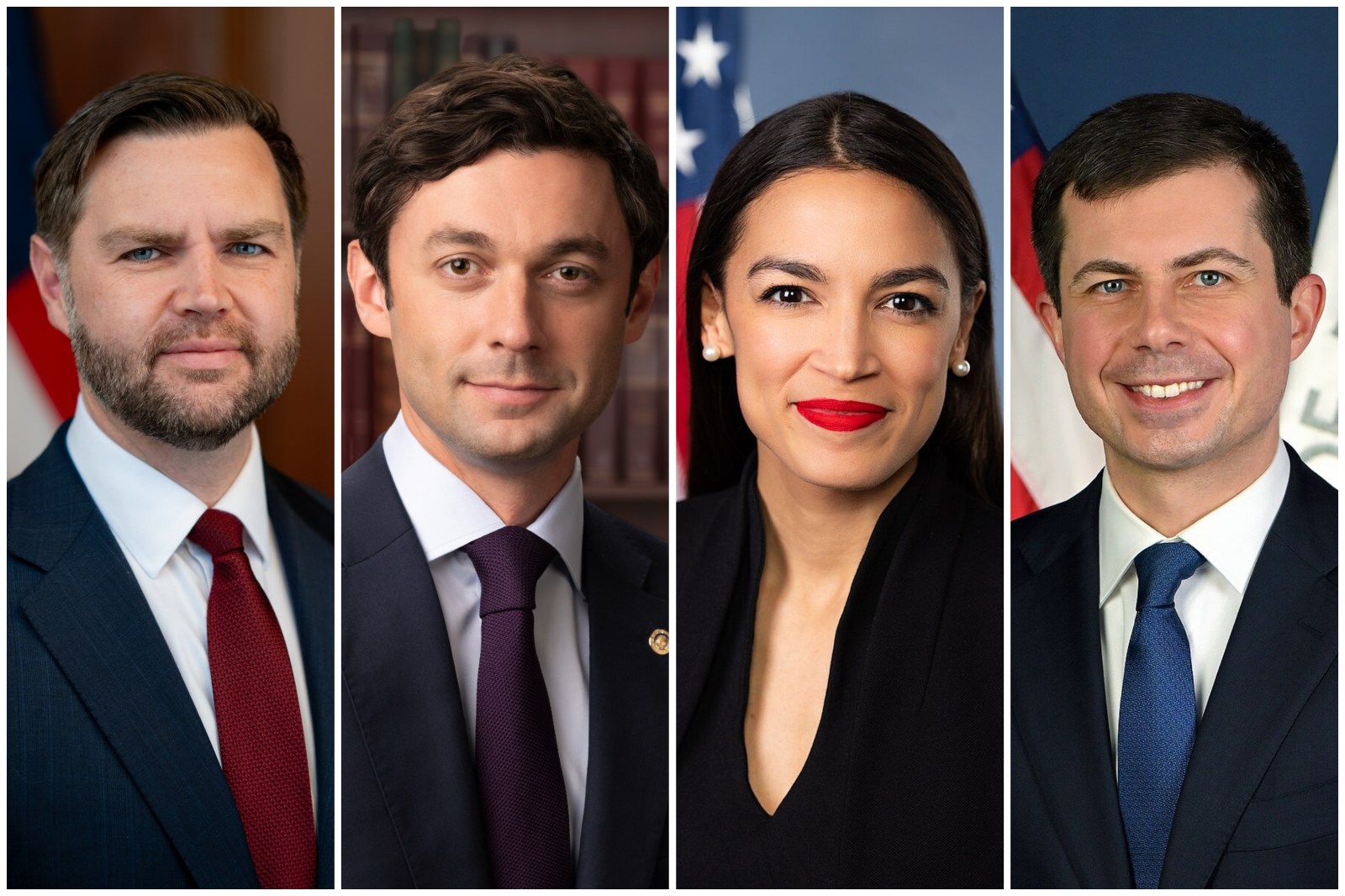
Early general election polls for the 2028 presidential election suggest Vice President JD Vance lags behind several potential Democratic rivals. According to data from Race to the WH, former Transportation Secretary Pete Buttigieg and Georgia Senator Jon Ossoff both have an edge over Vance in hypothetical matchups. Buttigieg leads 48.5% to 43.9%, while Ossoff has a lead of 48.5% to 44.1%. Although Ossoff has stated no intention of running in 2028, these figures persist.
Additionally, former Vice President Kamala Harris leads Vance 48.3% to 44.4%, and California Governor Gavin Newsom holds a narrower 45.5% to 43.6% lead. Representative Alexandria Ocasio-Cortez trails Vance, with 42% against his 44.9%. Despite these standings, no candidate from either party has declared their intention to run. Among the most polled Democratic figures are Buttigieg, Ossoff, Ocasio-Cortez, Harris, and Newsom. Vance, on the Republican side, plans to disclose his intentions post-midterm elections.
Buttigieg’s Strong Performance
Buttigieg shows the strongest numbers against Vance, maintaining the widest lead in the Emerson survey behind the averages from Race to the WH. Eight percent of voters remain undecided. Notably, Buttigieg is also ahead in a hypothetical match against Secretary of State Marco Rubio, leading by five points. Previously, in July 2025, Vance had a slight edge over Buttigieg, leading 44% to 43% with 13% undecided. Spencer Kimball of Emerson College highlighted the decisive portion of the electorate at 13%, with 87% firmly aligned with a party.
In Democratic primary projections, Buttigieg tops the field. Emerson reported a 19% favorability in July, while Quantus Insights listed him at 25.7% in August, surpassing both Ossoff (21.3%) and Ocasio-Cortez (15.3%). Additionally, a New Hampshire Saint Anselm College poll positioned him at 25%, leading among potential candidates.
Ossoff Holds Equal Ground
Ossoff matches Buttigieg’s margin over Vance and leads by three points against Rubio. His national recognition has increased significantly during the year, despite limited attention from top pollsters last year. Quantus Insights ranked Ossoff at 21.3% among Democrats in August, third after Buttigieg, and leading among those leaning Democratic at 33.5%.
Prediction markets view Ossoff as a formidable contender in the Democratic field. Kalshi evaluates him at 17%, with Ocasio-Cortez at 16% and Newsom at 14%. Polymarket echoes these figures, placing him just behind Ocasio-Cortez at 18%.
Vance’s Position Against Ocasio-Cortez
Currently, Ocasio-Cortez is the only Democrat trailing Vance, and in Emerson’s August poll, she was the only one losing to both Vance and Rubio. The Quantus poll, adjusting for undecided voters, shows Vance ahead at 51.9% to her 48.1%. Demographic splits reveal her lead among women and younger voters, while Vance holds a lead among men, older voters, and those without a college degree. Additionally, Ocasio-Cortez leads among Black, Hispanic, and Asian populations, while Vance is favored by white voters.
In an earlier poll by The Argument and Verasight, Ocasio-Cortez briefly led Vance 51% to 49%. She expressed confidence in this result during a discussion with reporters.
Changes Over Time
Comparing Emerson’s findings from a year ago, some shifts are evident. Buttigieg and Newsom gained several points over Vance, with Ocasio-Cortez seeing a minimal change, within the margin of error. There was a significant reduction in undecided voters from earlier figures as they shifted toward Democrats.
Over the same period, Vance’s position in Republican primary polls fluctuated. He initially had 52% support, which fell to 36%, closely matched by Rubio’s 35%. Two months later, they were nearly tied, with Vance leading 39% to 38%. Emerson’s Spencer Kimball noted the trend shifts favoring Rubio.
Vance’s Future Plans
Vance remains undecided about his next steps beyond the midterms. He indicated that he plans to discuss with his family and expects to receive backing from President Donald Trump. Rubio expressed support for Vance’s potential candidacy, remarking he would support him if he runs.
Trump previously described a potential Vance-Rubio ticket as strong, adding more intrigue to the Republican landscape and contributing to Vance’s role in future races.
Prediction Market Insights
VD Vance’s chances for the Republican nomination are high in prediction markets like Kalshi and Polymarket, yet his chances of winning the presidency in 2028 are lower. Kalshi estimates a 22% to 23% probability, and Polymarket suggests around 20.7% to 20.8%. These numbers have decreased since initially being listed. While Democrats are currently leading in the 2028 race, Vance remains a key figure to watch.