Cyberattack on Water Systems in Multiple U.S. States Linked to Iran
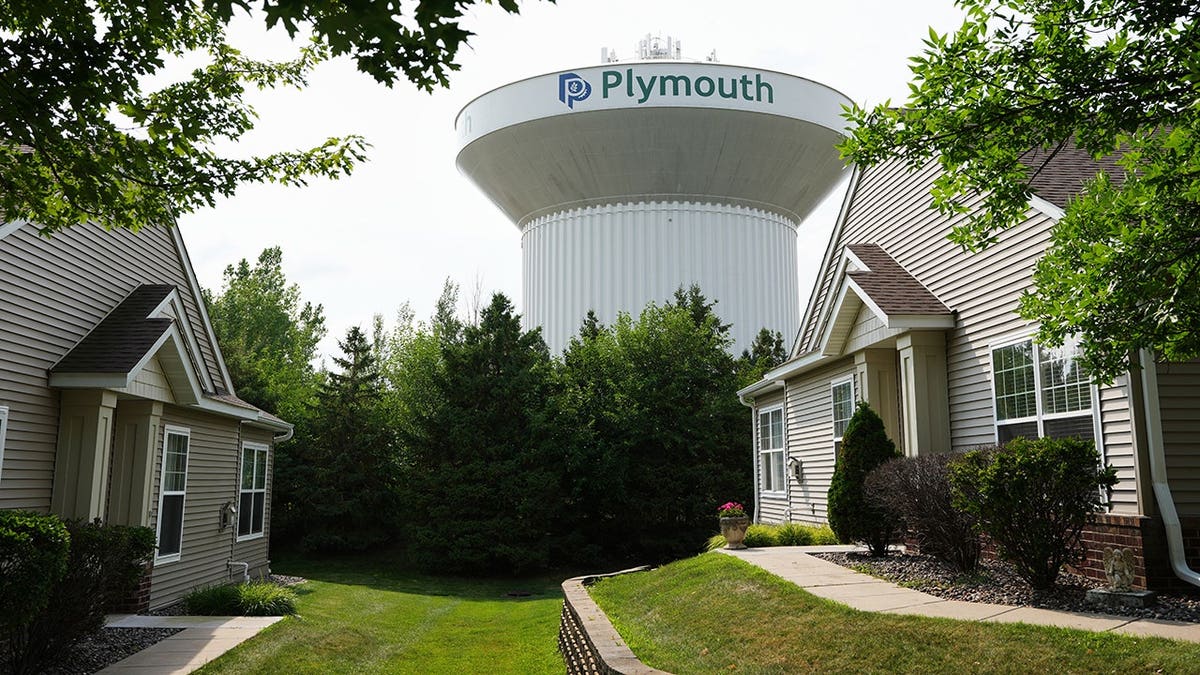
Cyberattack on Water Systems
A cyberattack impacted community water systems across at least seven states, including Minnesota. Federal agencies, such as the FBI, CISA, and the EPA, have connected the attack to threat actors affiliated with Iran, targeting critical infrastructure.
Impact on Minnesota Water Systems
The coordinated attack on July 26 and 27 affected operational technology at over 30 water systems in Minnesota. Minnesota IT Services (MNIT) activated the state’s cybersecurity response, with federal help for investigation. While one water plant temporarily went offline, others faced issues with automated controls. Despite this, there were no active requests for residents to alter their water usage.
National Security Implications
This event prompts questions about the resilience of local utilities if hackers access control systems. The FBI noted that water operations were disrupted in the affected states, raising concerns about the capability of such utilities to continue functioning under cyber duress.
Attacker Attribution
The attack is preliminarily attributed to Iranian hackers, although President Donald Trump questioned this assessment. Officials suggest further investigation is necessary, acknowledging potential efforts to disguise the origins of the attack.
Weaknesses in Water Systems
The incident highlighted vulnerabilities due to outdated technology and insufficient cybersecurity measures, particularly in smaller communities. Larger utilities may have dedicated security teams, while smaller towns often lack resources, forcing a reliance on staff who handle day-to-day operations.
Cyber Resilience and Response
CISA issued guidance on isolating vital systems, recommending the separation of operational technology from less secure networks. Utilities are advised to secure remote access and revise security protocols, including changing default passwords and implementing individualized login credentials.
Public Response and Preparedness
- Follow official updates for accurate information.
- Avoid assuming water contamination without explicit notice.
- Ensure emergency alert settings are active.
- Maintain a small emergency water supply at home.
- Be wary of scams exploiting the situation.
Conclusion
Minnesota’s containment of the attack prevented a drinking water crisis, but the reach of the attack underscores a significant threat. It highlights the need for all communities to reevaluate their preparedness against such cyber threats.