Cybersecurity Concerns: Recent Mass Outages and Implications for the U.S.
Mass outages have recently grabbed headlines across the United States, sparking fears about potential large-scale cyberattacks. These concerns arise as Americans speculate on what such an attack might look like and its potential consequences in the following hours, days, and weeks.
It all started with a Microsoft outage affecting millions of users. This was followed by several disruptions, including a nationwide Federal Aviation Administration (FAA) ground stop, banking outages, and a separate cybersecurity incident involving JPMorgan Chase customer data. Apple’s systems and the National Security Agency (NSA) have also faced hiccups.
Government officials assert that there’s no evidence linking these events to malicious activities. However, the frequency of incidents has raised questions about broader implications or the vulnerabilities of interconnected infrastructures. Officials suggest that challenges like modernizing old systems, as seen with the FAA, are to blame rather than coordinated attacks.
President Donald Trump has minimized these concerns, calling such occurrences a typical part of life for large organizations. He downplays any broader pattern, mentioning that when organizations are large and influential, such incidents are not surprising.
Political Responses and Calls for Clarity
Cross-party calls for transparency have surged. U.S. Representative Hakeem Jeffries expressed his concerns and seeks more briefings about the disruptions. Republican Senators Josh Hawley and Rick Scott also advocate for openness on these issues.
Some Trump supporters and previous administration officials share the sentiment for more transparency. While there is no substantiate this fear, claims of foreign adversaries orchestrating the attacks have arisen.
The Potential Impact of a Major Cyberattack
Recent incidents have reignited conversations about the potential for a severe cyberattack. Experts warn that artificial intelligence opens new avenues for attacks, potentially targeting numerous systems simultaneously.
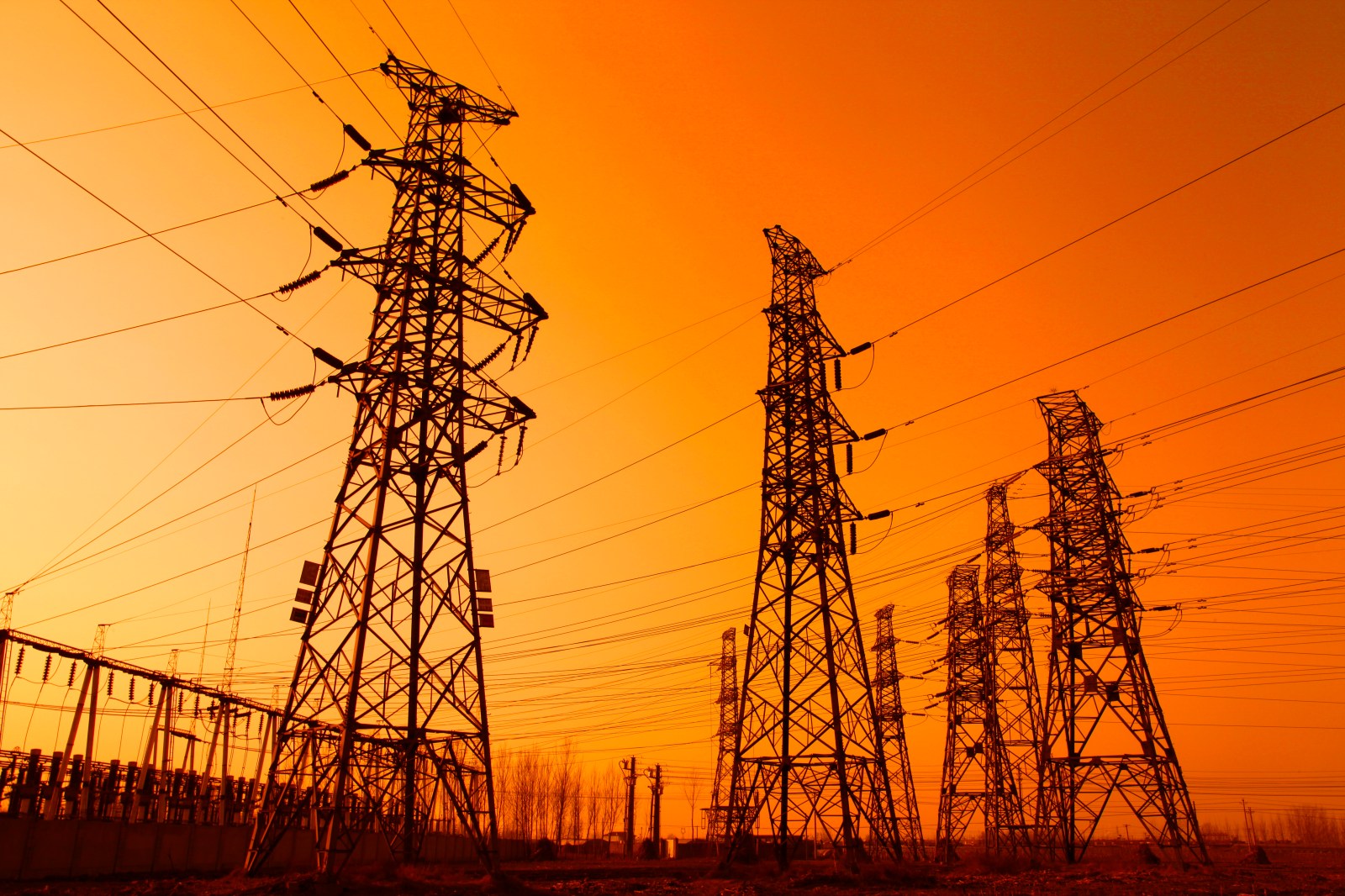
A large-scale attack, sometimes termed as a ‘cyber 9/11,’ could severely disrupt essential infrastructures. Affected services might include power grids, water systems, or communication networks. Emerson Brooking, an international security expert, emphasizes the need for strong defenses as systems today can be interlinked and vulnerable.
Recovery from such an attack could be prolonged, with responders opting to take systems offline as a safeguard, leading to further disruptions. Past strategic plans by U.S. government agencies have considered such scenarios, as outlined in 2022’s SAFECOM program report by the Cybersecurity and Infrastructure Security Agency (CISA).
Specific case studies, like disrupting refrigeration systems in European supermarkets, demonstrate how targeted attacks on connected systems can have far-reaching effects.
Dependence and Preparedness
Outages and system failures expose the dependence of Americans on electricity and internet access. Simple tasks, such as accessing finances or communicating with family, become challenging without these utilities.
In response, there’s increasing advice to not only stockpile essentials but also keep physical copies of crucial documents and information.
Types of Cyberattacks
Cyberattacks vary in form and purpose. Common threats include malware, ransomware, and phishing attempts. Sophisticated attacks may aim to disrupt crucial infrastructure services.
U.S. Preparedness and Response Strategies
A comprehensive response by both government and private sectors would be essential in case of a severe cyberattack. Agencies like CISA play a vital role in protecting civilian networks, especially older ones with vulnerabilities. Brooking and others highlight the importance of government oversight in cyber defense.
While historically the U.S. has been competent in defending against cyber threats, previous funding cuts and staffing issues may have weakened defenses slightly. The need for updated policies and leadership is becoming evident as a necessity to improve preparedness.
Preparing individuals and communities is crucial. The National Infrastructure Advisory Council (NIAC) advises being ready for functioning without typical services, highlighting challenges in maintaining power grids.
Federal guidance urges typical emergency response actions such as conserving resources and following local authority instructions.
Looking Ahead
Ongoing outages and disruptions maintain a focus on preparedness. Instead of panic, this heightened awareness encourages Americans to better equip themselves for potential future challenges. Evaluating readiness for power, communication, and service losses is more crucial than ever to mitigate impacts effectively.