Daily Tomato Paste Linked to Improved Brain Function in Study
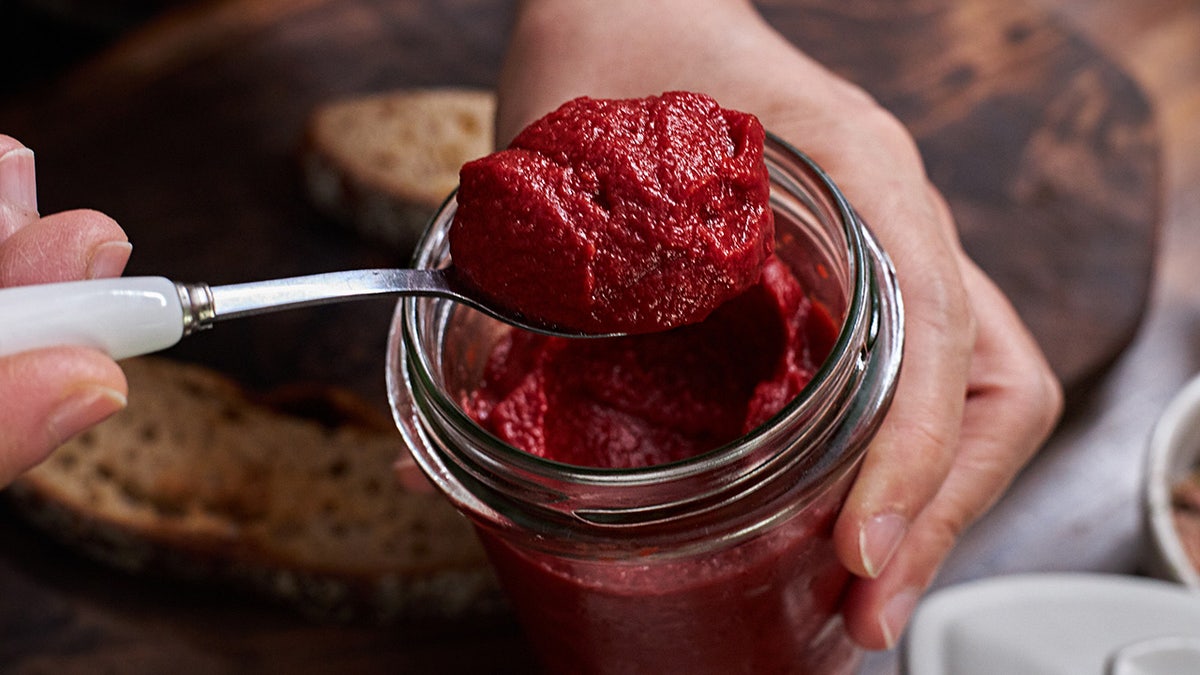
Recent research indicates that consuming tomato paste daily may improve cognitive functions such as attention and processing speed. A Spanish study observed this effect after participants consumed around two tablespoons of tomato paste each day for three months. The paste is rich in lycopene, a red antioxidant found in tomatoes and some other fruits.
The study included 42 healthy adults aged 40 to 55. Participants alternated between a low-lycopene diet and a diet including tomato paste, with a month between each phase. During the low-lycopene period, participants continued their usual diets but avoided foods like tomatoes.
When on the tomato paste diet, participants consumed approximately 0.5 grams per kilogram of body weight daily, around 35 grams on average. This led to increased scores in concentration, processing speed, and associative memory tests, with improvements of 7.2, 8.3, and 0.8 points respectively.
“A small study explored whether daily tomato paste consumption may affect attention, processing speed and other measures of brain function.” (iStock)
The research, employing a randomized crossover design, showed that participants served as their own controls. Blood tests indicated a borderline increase in BDNF, a protein critical for brain cell growth and flexibility.
The study also found brain scan changes in resting connectivity, suggesting more efficient brain communication. Researchers caution that due to the small sample size, these findings, published in the journal Antioxidants, do not prove significant cognitive benefits or prevent cognitive decline or disease. However, they provide initial insights into the potential effects of lycopene-rich foods on the brain.
Dr. John Showalter, an internal medicine physician, commented on the study, noting that it aligns with broader research advocating for naturally red foods in diets. He highlighted that people with low lycopene levels might experience higher mortality rates and more cardiovascular events, linking these factors to cognitive performance. In addition to tomatoes, lycopene is found in watermelon, papaya, and red peppers. Cooked and concentrated tomato products offer high levels of this antioxidant.
The study’s findings are preliminary, and researchers emphasize the need for larger research efforts to confirm whether lycopene-rich foods support cognitive health.