Debate Over Changes to National Historic Preservation Act Sparks Outcry
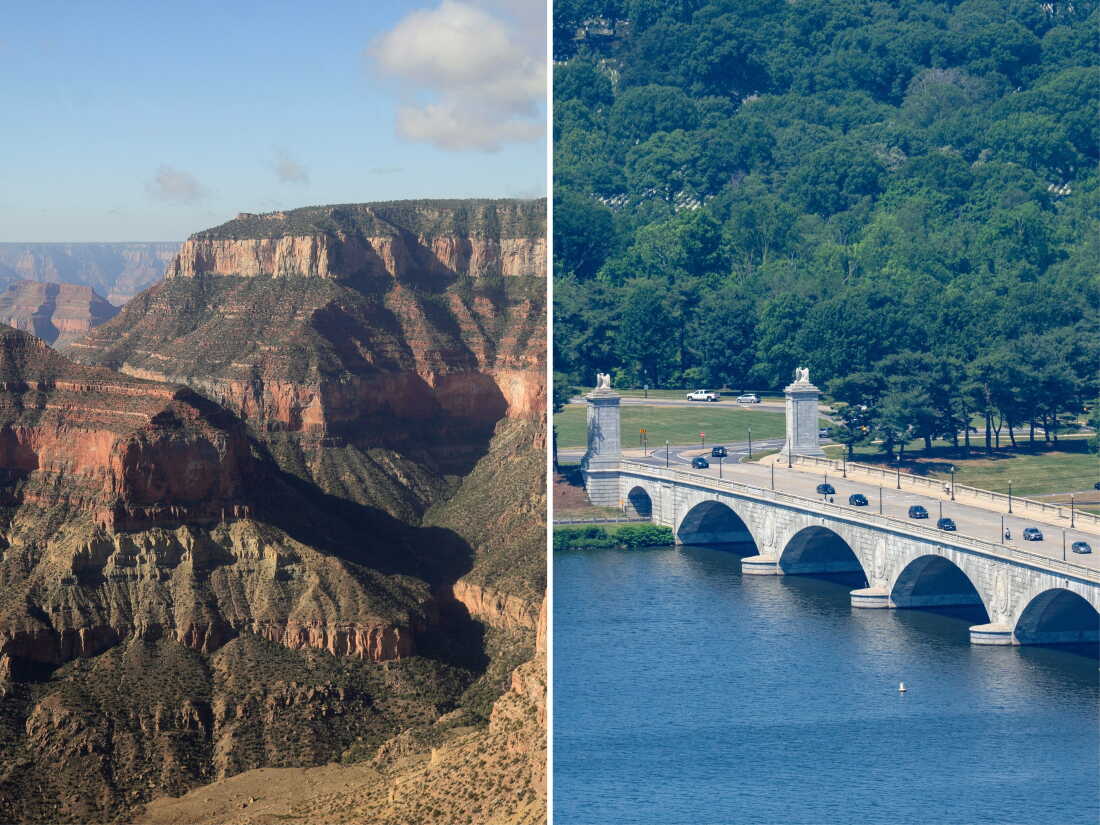
Historic preservation advocates warn that sites like the Grand Canyon and Arlington Memorial Bridge might lose protection due to proposed changes in policy. The National Historic Preservation Act (NHPA) signed by President Lyndon B. Johnson in 1966, created a mechanism to identify and protect historic sites. However, advocates now claim the government wants to remove public influence from this process.
Concerns Over Section 106 Review
Section 106 is essential to the NHPA. It requires federal agencies to consult with stakeholders before projects that might damage historic sites begin. This process has saved many buildings from demolition. Yet, it does not stop necessary projects, as pointed out by architect Elihu Rubin. Instead, it provides valuable insights about the sites.
A recent decision by a federal council, filled with appointees from the Trump administration, aims to weaken Section 106 oversight. Additionally, a Senate bill proposes to streamline the process further, potentially undermining hundreds of thousands of sites across the country.
Historical Context and the Impact of Proposed Changes
The NHPA was a response to past urban renewal projects that destroyed community and historic landmarks. The law created a framework to acknowledge and mitigate the impact of development on historic sites. Many tribal leaders, such as Valeria Grussing from NATHPO, express concerns that proposed changes could undo decades of progress in historic preservation.
The average Section 106 review takes 16 days, with 98 percent resulting in no harm to historic locations. Despite this efficiency, the National Trust for Historic Preservation struggles to maintain current standards amid proposed federal reforms.
Efforts to Protect Preservation Laws
Advocates have launched initiatives like “Section 106 Strong” to resist changes to preservation laws. The National Trust seeks to raise $10 million for a defense fund dedicated to preserving historic sites.
Major concerns include a reduction of consultation with Native American tribes and decreased public involvement. The planned changes are seen as a threat not only to public heritage but also to the lessons these sites can provide. Advocates argue this could result in the further destruction of historic properties.
A Call for Vigilance and Action
The Advisory Council on Historic Preservation has voted to limit what qualifies as historic, excluding landscapes like the Grand Canyon. There is also a push to make public commentary optional, further removing community voices.
The Senate is poised to consider a bill that aligns with these changes, simplifying the process at the expense of thorough oversight. Preservation experts like Ira Matt warn that these legislative moves could significantly harm tribal and public interest in preserving historic resources.
Historical advocates are mobilizing to defend the NHPA and Section 106, seeking broader support to prevent these alterations. They hope for inclusive dialogue with lawmakers for more constructive solutions that respect heritage.