Debate Over the Smithsonian’s Approach to American History
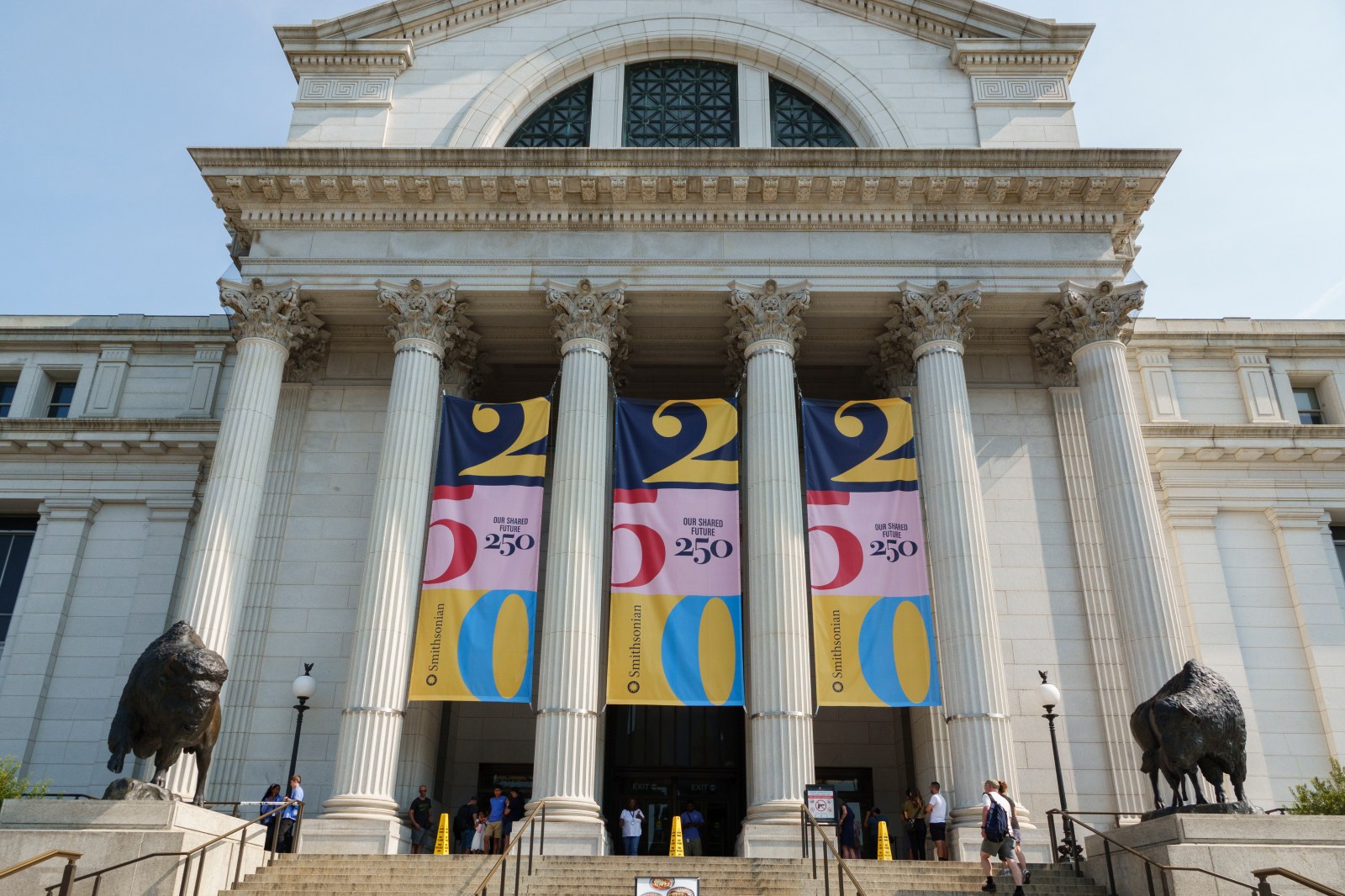
The Smithsonian Institution is known as the largest museum, education, and research complex in the world. It offers free entry to individuals from across the globe. This makes it a popular attraction in Washington, cherished for its role in illuminating the nation’s history. The museum creates a space where history is exciting and educational.
The National Museum of American History (NMAH) is a highlight for visitors. It holds stories and artifacts that express America’s journey. For many, including myself, visiting as a child was an exciting experience. It is a place to learn lessons from the past. As America approaches its 250th anniversary, expectations are high for the Smithsonian’s contributions to celebrating the nation’s history. Many hope for new exhibitions and displays from its vast collection.
The museum’s current strategy faces criticism. Some visitors find the narratives unsettling. They argue that the museum’s portrayal of ‘oppressor/oppressed’ viewpoints focuses more on condemning rather than celebrating American history. Recent hearings and reports have highlighted these discussions, sparking debate on the museum’s direction.
Director Anthea Hartig has suggested a broader perspective on U.S. history that includes the entire Americas. Some see this approach as a shift away from a traditional focus. The Center for Restorative History, part of the museum, aims to address historical exclusions through restorative justice principles. Critics ask why the Smithsonian feels the need to apologize for preserving history.
Concerns have arisen from the “Girlhood (it’s complicated)” exhibit. Critics argue that the exhibit doesn’t adequately represent the historic achievements of American women. They point to a focus on modern political issues over traditional stories of female accomplishments. These choices reflect broader changes in exhibit requirements at the museum. Every exhibit now needs to address core issues such as race, gender, environmental change, immigration, and more. This shift aligns with agendas seen by some as political rather than educational.
The Smithsonian’s role should be to inspire and educate, not to promote any political ideology, critics argue. The museum is publicly funded and must maintain transparency and purpose. The crux of the debate is whether the museum endorses a political agenda at the cost of historical authenticity. Critics argue that the museum should remain focused on presenting history as it occurred rather than altering it for contemporary narratives.