Debate Over Trump’s Iran Deal Framework Echoes GOP Criticism of Obama’s JCPOA
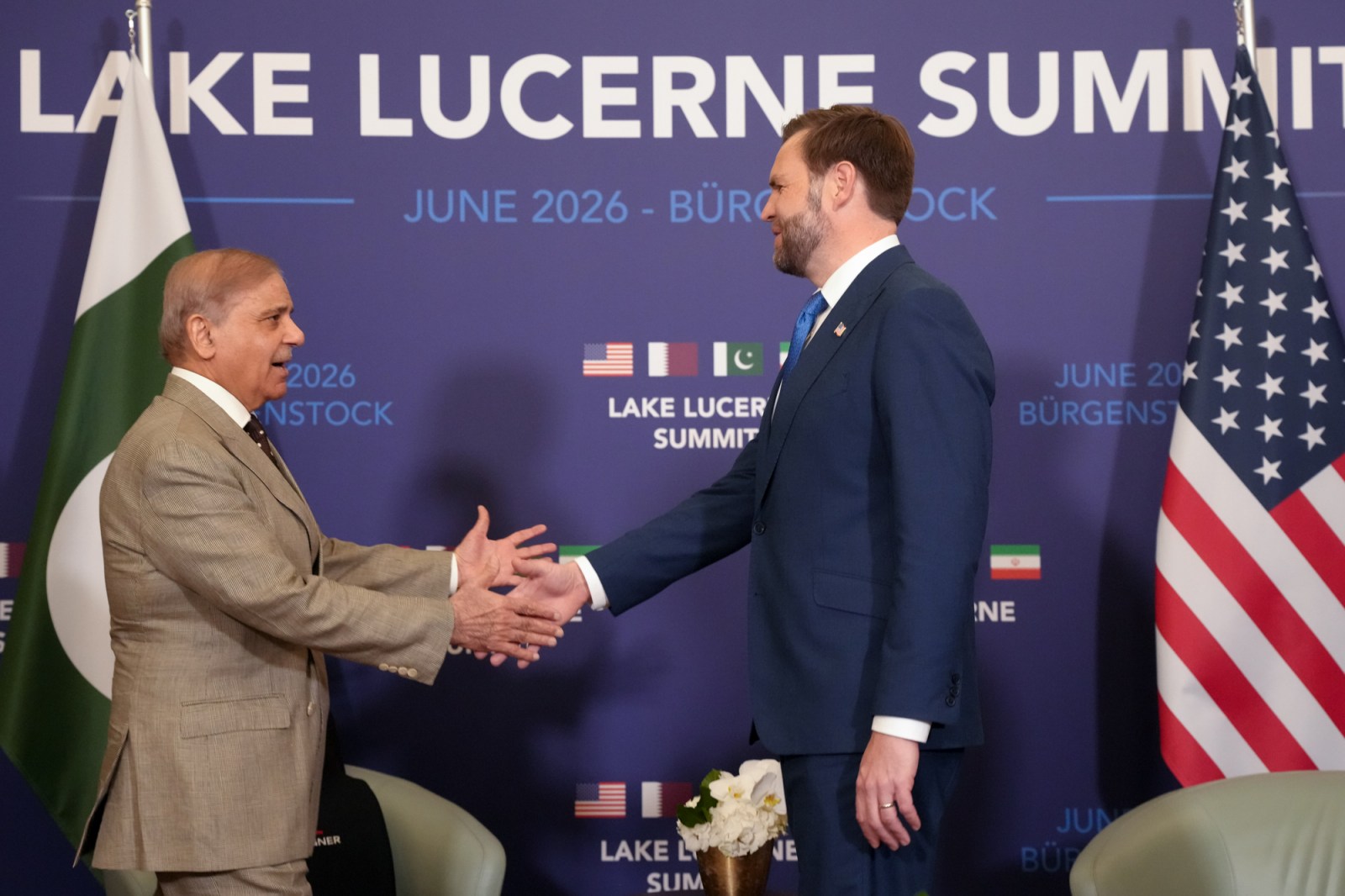
Republicans have long criticized former President Barack Obama’s 2015 Iran nuclear agreement, labeling it a risky exchange of sanction relief for what they claimed were inadequate, temporary limitations easily reversible by Tehran. Currently, as President Donald Trump seeks a new agreement with Iran, similar criticisms resurface, albeit this time aimed at a Republican administration’s framework.
The intricate details of Trump’s memorandum of understanding (MOU) are still being negotiated, with expectations for further clarity in the coming 60 days. Consequently, the final arrangement and its resemblance to Obama’s Joint Comprehensive Plan of Action (JCPOA) remain uncertain. Trump asserted on Monday that the concluding deal would incorporate extensive inspection measures to ensure Iran’s commitment to nuclear transparency, posting on Truth Social that Iran would agree to comprehensive weapons inspections.
The Trump administration underscores ongoing negotiations. A senior U.S. diplomat informed Newsweek about engaging in robust discussions on various aspects of a broader agreement, addressing nuclear topics, the Strait of Hormuz, and deconfliction mechanisms concerning Israel and Iran-backed Hezbollah in southern Lebanon. The current framework is described as an initial basis for technical discussions rather than a finalized agreement.
“President Trump and his negotiating team have brokered an excellent, performance-based MOU that advances the interests of the United States by ending the fighting, reopening the Strait of Hormuz to significantly lower energy prices, and forcing Iran to commit to abandon its nuclear ambitions,” White House spokeswoman Olivia Wales told Newsweek.
Familiar Objections
Obama introduced the JCPOA in 2015 as a comprehensive deal obstructing Iran’s paths to nuclear arms and enforcing stringent verification measures. Republicans contested this presentation immediately, raising several objections:
- Premature sanction relief
- Temporary, not permanent, nuclear limitations
- Failure to entirely dismantle Iran’s nuclear program
- Lack of binding congressional approval
Similar concerns now influence reactions to Trump’s interim framework. Additionally, Republicans previously argued that the JCPOA narrowly addressed nuclear issues, neglecting Iran’s missile program and regional activity. This critique reemerges in current debates.
Cotton Then, Now
Senator Tom Cotton of Arkansas was one of the JCPOA’s most prominent critics, warning in 2015 about agreements lacking congressional approval, thereby reversible by future administrations. Describing the JCPOA as a strategic blunder, Cotton now adopts caution regarding Trump’s framework. Speaking on Fox News, he remarked that certain elements of Trump’s deal veer in an unfavorable direction and emphasized sustaining U.S. influence over Iran.
Cruz and Graham
Senator Ted Cruz of Texas firmly opposed Obama’s JCPOA in 2015, using harsh language to describe it as a disastrous mistake potentially bolstering Iran’s nuclear weapon trajectory. Employing different terminology, Cruz critiques Trump’s framework with a similar focus on the hazards linked to financial advantages for Iran absent stronger safeguards.
“History teaches that giving billions of dollars to theocratic lunatics who want to murder us is not a good idea,” Cruz stated to The Hill, adding, “I think the president is receiving some very poor advice on this deal.”
Similarly vocal against the JCPOA, Senator Lindsey Graham of South Carolina labeled the deal “terrible,” predicting it would empower Iran without sufficiently hindering nuclear capabilities. Post Trump administration’s framework release, Graham acknowledged the diplomatic attempt but flagged uncertainties surrounding a final nuclear accord.
“Let’s try a diplomatic solution. I think it’s going to fail. What happens next?” Graham remarked on CBS News’ Face the Nation.
More GOP Voices
Republican legislators echo analogous concerns. Senator Roger Wicker of Mississippi expressed apprehension over Trump’s framework’s potential to undermine Operation Epic Fury achievements, deemed inconsistent with presidential objectives. Senator James Lankford of Oklahoma advocated for congressional ratification to provide lasting agreement effects, criticizing the JCPOA’s temporary nuclear threat postponement.
Across the GOP, a familiar checklist emerges:
- No premature sanctions relief
- Strong, verifiable inspections
- Limits on enrichment
- A durable agreement with congressional backing
Trump vs. Obama
Trump has persistently criticized the JCPOA, asserting that it effectively equipped Iran with a nuclear arsenal, and chastising Obama for a flawed agreement creation. On the other hand, Obama maintains a differing perspective. He suggests that any new deal might not distinctly improve upon the existing agreement and cautions that the U.S. could incur greater costs achieving similar outcomes after withdrawing from the JCPOA.
“It is doubtful that any agreement that arises is going to be significantly different or a significant improvement from the deal that we had in the first place and had worked for, for a long stretch of time before we, the United States, pulled out of it,” he conveyed to ABC News.