Debate Surrounds Gov. Newsom’s Commutation of Death Sentences
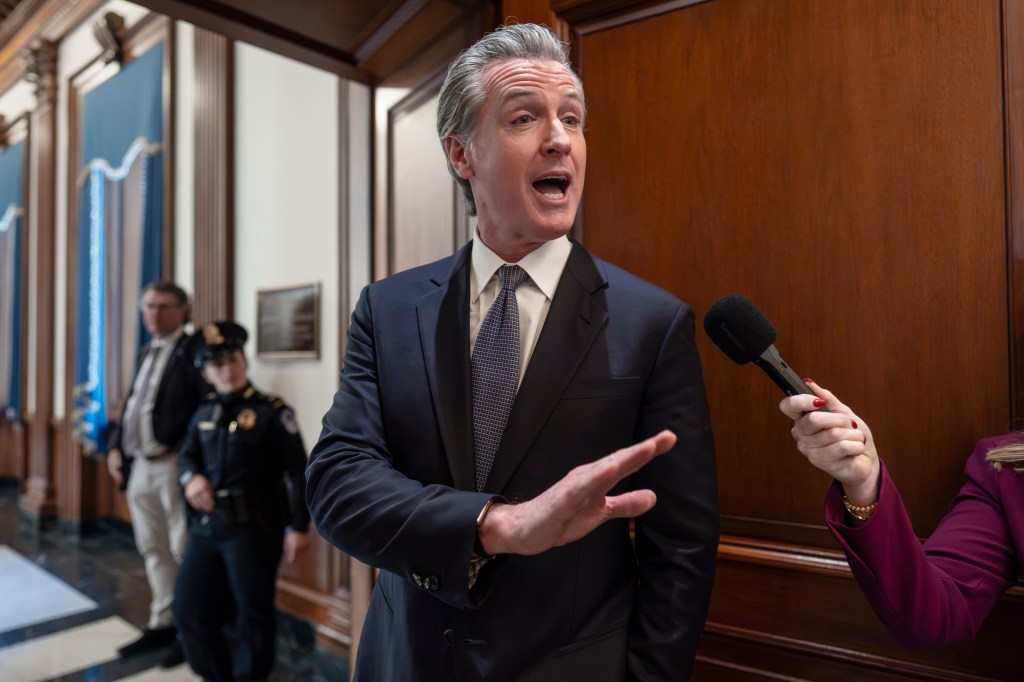
On The View, Ana Navarro expressed surprise when co-host Sunny Hostin disagreed with her on the need for Democratic California Gov. Gavin Newsom to consult victims’ families before commuting the death sentences of 548 inmates. Navarro argued, “I don’t like the way it went through. And I think that before he announced that, he needed to get the approval and agreement of the families of the victims.” She highlighted that those commuted were on death row for murder and opposed blanket pardons.
Earlier in November, Newsom commuted the death sentences of all California’s death-row inmates, stopping capital punishment in the state. Navarro said, “I think these are things you have to take on a case-by-case basis, and I think it’s disrespectful to the victims’ families.” She emphasized that families of murder victims deserved notification before hearing the news elsewhere.
Hostin disagreed with Navarro. “I’m an opponent of the death penalty. I think that God gives life,” she said. Hostin contended that Newsom, as governor, held the authority on these cases, describing the system as “broken.” She noted, “One innocent person being put to death is not worth the entire system.” Hostin mentioned data indicating racial disparities, with more than half of death row exonerees being Black, despite Black individuals making up 13.6% of the U.S. population.
“And nearly 60% of the people found to have been wrongfully convicted of murder by the Innocence Project are African Americans,” Hostin added. “And you should not pay the ultimate price for a system that is broken.”
Co-host Alyssa Farah Griffin echoed Navarro’s concerns. “It was a betrayal of the families to not notify them beforehand,” Griffin stated. She noted capital punishment had appeared on California ballots twice in the last decade, with voters choosing to retain it. Griffin added that omitting notifications hindered the grieving process.
Navarro was shocked at Hostin’s disagreement. Griffin suggested political motivations behind Newsom’s decision. “This should have been handled better,” she said. Griffin suspected Newsom aimed to appear progressive, possibly to contrast with Kamala Harris regarding future presidential aspirations.
Co-host Sara Haines agreed with the need for individualized consideration. “If you want to change something going forward, put it on a ballot,” she said. Haines criticized the blanket approach, saying families were left without closure. She emphasized some found solace in the convictions and that changes required respectful communication.
Hostin reiterated her opposition to the death penalty. Newsom responded in a letter, acknowledging the challenging nature of his decision. He wrote, “This decision is among the most difficult of my career.” Newsom expressed respect for differing opinions and acknowledged the emotional impact on victims’ families, while standing by his conviction that society should move away from state-sanctioned killing.
Despite Newsom’s commutations, he acknowledged the limits of his actions, noting that a full repeal of the death penalty depends on the Legislature and voters. David Scharf criticized Newsom, stating, “Victims’ rights were disregarded and trampled by Governor Newsom.” He called for notice and respect for families prior to such significant decisions.