Democratic Gains in Governorships Shift Political Landscape
The Democratic Party now controls a majority of the nation’s governorships following a series of victories during the latest election night. This shift has resulted in Democrats holding 28 governorships compared to Republicans’ 20, with the races in Kansas and Alaska still undecided as of Wednesday morning.
These results represent a significant change from the previous state of affairs, where Republicans had 26 governors compared to Democrats’ 24. For Democrats to regain the majority, they needed to gain at least two seats.
While congressional control often dominates the spotlight, governors have a critical role in directing state policies. They approve or veto legislation, manage state agencies, and oversee responses to key issues such as public safety, education, healthcare, immigration, and abortion. They also supervise state elections and serve as prominent political figures within their states.
The Democratic successes grant the party increased control over state-level policy decisions, despite Republicans maintaining control of several state legislatures. The effects of these changes will differ by state, especially where the governor’s party doesn’t control both legislative chambers.
These outcomes could influence the 2028 election cycle. With more Democratic governors, the party has an expanded pool of leaders to consider for the next presidential race. Historically, governors have transitioned into national leadership roles, run for president, and participated in major political campaigns.
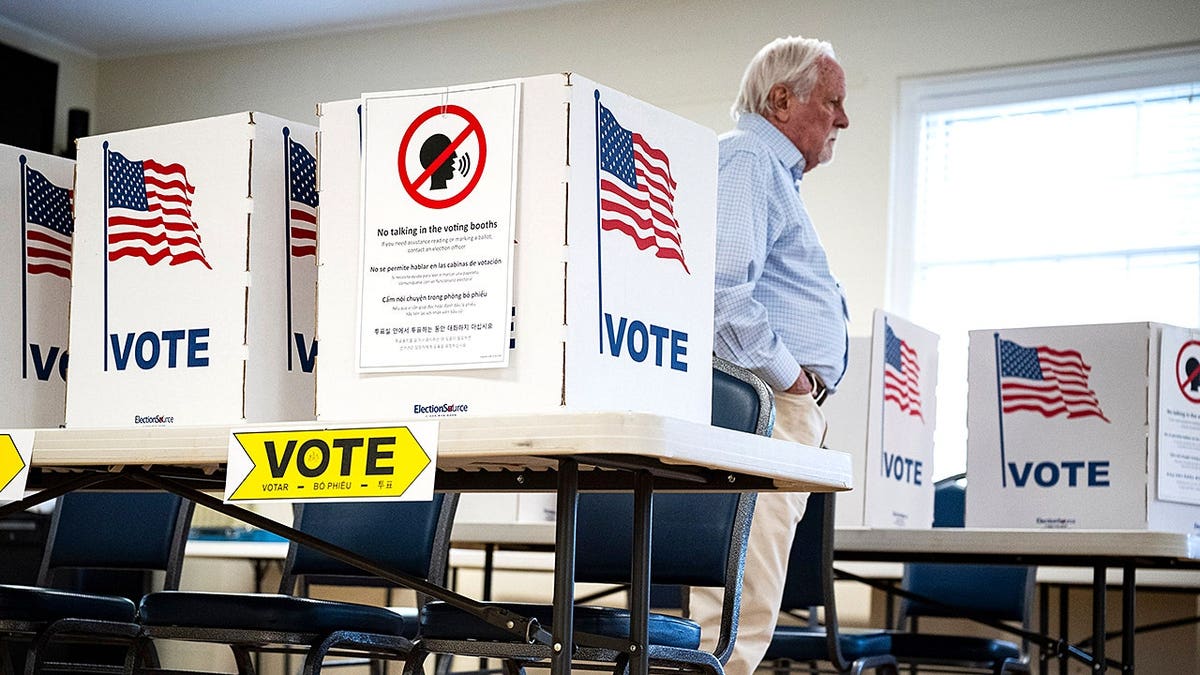
An election official monitors voting at a polling site in Great Falls, Virginia, during an August 2026 primary. (Photo by Bloomberg via Getty Images)
The recent results might also intensify conflicts between Democratic governors and the Republican-led federal government on various issues, such as immigration enforcement, environmental rules, educational policies, and federal funding.
Republicans now face the challenge of defending fewer governorships in the next election while trying to prevent further losses in states where Democrats gained ground.
President Donald Trump addresses supporters at a rally in Perry, Georgia during the midterm election campaign. (Photo by Brendan Smialowski / AFP via Getty Images)
Despite these gains, Democrats do not automatically achieve unified control over state governments. In many states, legislative majorities, attorneys general, and other officials will continue to influence the governors’ power.
Nonetheless, the shift marks a notable expansion of Democratic power in state governments, providing a larger platform to pursue their national agenda.
For more updates, download the Fox News app.
Governor J.B. Pritzker, Wes Moore, and Josh Shapiro, are all seeking reelection while positioning themselves for the 2028 presidential elections. This development could lead to further legal challenges against the Trump administration, increasing the likelihood of disputes over federal policies.
Reporter Andrew Mark Miller from Pasadena, California, has been with Fox News Digital since 2021. Contact him at [email protected].