Democratic Midterm Success and Policy Directions
House Minority Leader Hakeem Jeffries celebrated the Democratic victories in the 2026 midterm elections. He emphasized the party’s focus on reducing costs and safeguarding vital programs for American families as part of their legislative agenda.
Following these elections, Democrats are preparing to implement significant government spending expansions. They plan to finance these initiatives through tax adjustments. This effort may gain support from the White House, despite party differences. Before Democrats take office early next year, they aim to expand government healthcare spending, direct payments to voters, reinstate housing assistance, and repeal administrative cuts.
Republicans are showing a willingness to support certain policies that aim to enhance affordability. President Donald Trump expressed a readiness to collaborate with progressive lawmakers. This includes considering extending Affordable Care Act subsidies, while also increasing verification measures to prevent fraud. Trump and Vice President JD Vance, despite representing conservative views, showed openness to raising taxes on high-income earners to help manage the federal budget.
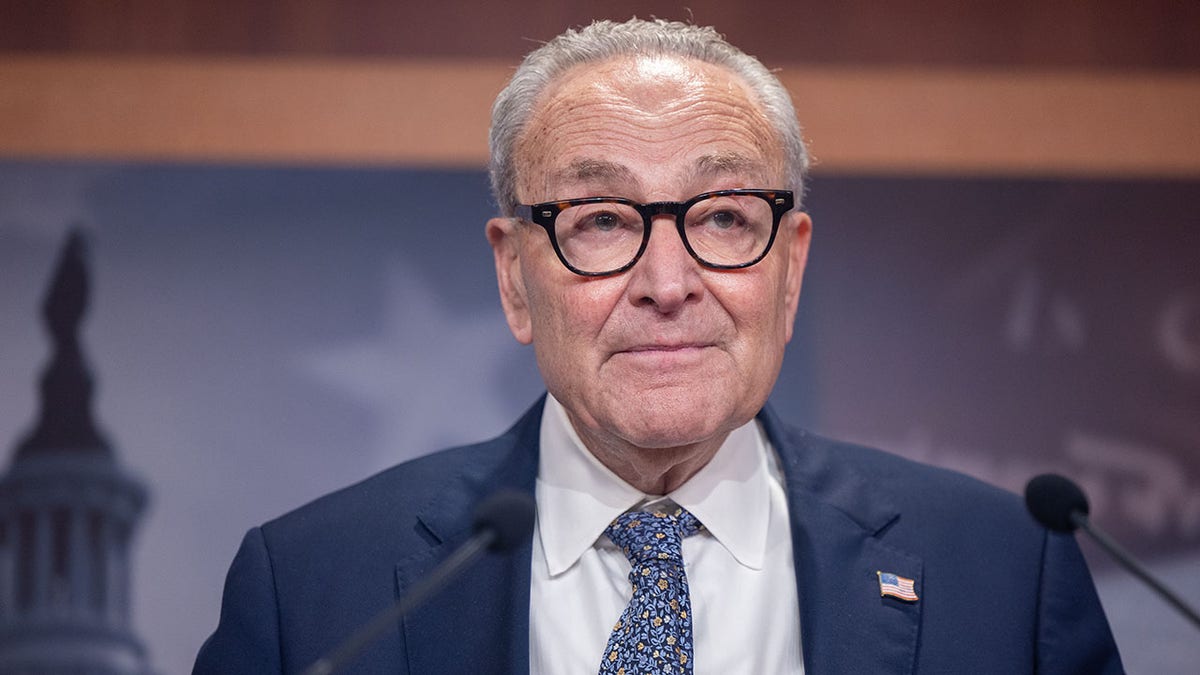
Senate Democrats, led by Chuck Schumer, are firm on requiring a deal extending Obamacare tax credits before they agree to reopen the government. The White House has left room for negotiations with Democrats, provided their proposals remain measured. Trump’s administration touts accomplishments like border security, tax cuts, and reduced drug prices. The President, however, is open to working with any initiatives that benefit the economy and lower costs for American families.
The Democratic majority in Congress lacks the votes needed to override a presidential veto, requiring cooperation either with Republicans or the White House. Michael Cannon from the Cato Institute criticized extending Obamacare subsidies, stating they benefit wealthier individuals. Democrats remain focused on healthcare spending despite the growing deficit, particularly Medicaid funding and ACA subsidies.
The Congressional Budget Office estimates that proposed healthcare cuts could reduce federal spending significantly at the cost of Medicaid enrollment. Democrats are considering extending ACA tax credits, which could lead to bipartisan support.
Democrats aim to make healthcare affordable, but increasing subsidies without addressing medical costs could raise expenses. Progressive leaders, including Alexandria Ocasio-Cortez, advocate for expanding Medicare, addressing medical debt, and funding health institutions.
Beyond healthcare, Democratic spending proposals include restoring jobs in government departments, investing in infrastructure, and enhancing housing and food assistance. This aligns with broader progressive aims like taxing billionaires first, but also considering high earners for increased taxes.
In the face of significant costs associated with these proposals, taxing strategies have been discussed. Senators Chris Van Hollen and Mark Kelly proposed tax plans to generate revenue, while other Democrats consider increasing the corporate income tax and taxes on new economic sectors.
Proposals to tax unrealized gains from billionaires and corporate stock buybacks are being made to raise government revenue to support these programs. These moves are met with resistance from Republicans, though some openness to taxing the wealthy exists.
With Democrats controlling more state legislatures, state-level public spending might increase as well. Texas Governor-elect Gina Hinojosa’s plan to use the state’s rainy day fund for voter payments reflects this trend.