San Diego County Addresses SNAP Shortfall with Food Distribution Efforts
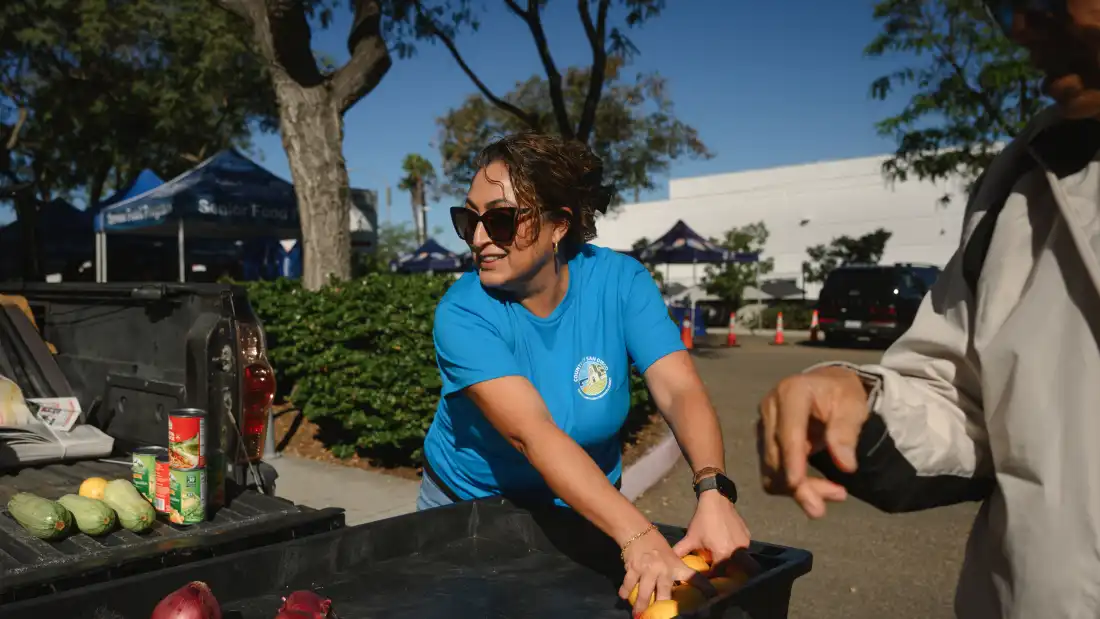
Rosa Rodarte, a dedicated human services specialist for San Diego County, was busy loading groceries into a truck at a food distribution event in the Kearny Mesa neighborhood. While her official role involves helping people apply for assistance programs like SNAP, her recent efforts have focused more directly on distributing food to those in need.
SNAP, or the Supplemental Nutrition Assistance Program, has experienced a significant decrease in participation recently. Following the passage of the One Big Beautiful Bill, an extensive tax and spending law, five million people across the U.S. lost their SNAP benefits. This legislation dramatically reduced SNAP funding, tightened eligibility, and excluded most asylum seekers and refugees from receiving food aid. The resulting decline in SNAP participation far exceeded federal estimates.
“We want to make sure everybody is being helped and not judged.” — Rosa Rodarte
Government workers administering SNAP have faced increasing challenges, including heavier workloads and tighter regulations. The emotional toll of having to deny aid to those in need has been tough for workers like Nina Olivas, who manages San Diego’s Access Customer Service Call Center. Her team speaks with people seeking assistance from programs such as SNAP and Medicaid.
San Diego County has seen a reduction of 36,000 SNAP participants since July 2025, when the new legislation became law. In response, the county collaborated with local food banks to distribute groceries at social service offices.
Increased Workloads and New Challenges
Olivas reminds her staff of their vital role in providing food, rent support, and essentials like diapers. Yet, new work requirements add pressure to the team. Now, SNAP recipients—including homeless individuals, veterans, and certain adults—must meet additional criteria. Supporters argue that these changes restore dignity through employment, but social service workers face more paperwork as a result.
During the first ten months of this year alone, San Diego processed over 830,000 more documents compared to the previous year. This significant increase comprises mailed documents, which represent just a portion of all paperwork.
Efforts Across the Nation
San Diego County proactively secured $15.8 million to mitigate federal funding losses and hired 122 new social service workers. Other states have also taken steps to address the shortfall. Illinois issued a one-time $400 benefit to individuals cut from SNAP, while Phoenix offered $600 toward utility bills.
Maine created a state-funded food assistance program for noncitizens. Meanwhile, in Texas and Arizona, staffing shortages and increased scrutiny on applications led to backlogs and sharp declines in SNAP assistance.
Food Distribution Initiatives
Monica Montgomery Steppe, vice chair of San Diego’s County Board of Supervisors, initiated the idea of food distribution events. Drawing from personal experiences with food assistance, she sought actionable solutions. Since August, these events have distributed nearly 70,000 pounds of food to over 5,200 people.
At a recent event, participants included young families, seniors, and veterans. Social service workers guided individuals through the food line and addressed potential issues with SNAP aid.
Ambar Santiago, a recent attendee, received groceries and support to resolve a SNAP issue. At home, she prepared a meal with items from the event, reflecting on her gratitude for the assistance.
San Diego County’s proactive measures demonstrate the community’s commitment to supporting its residents during challenging times.