Democratic Push for Supreme Court Reform as Public Trust Wanes
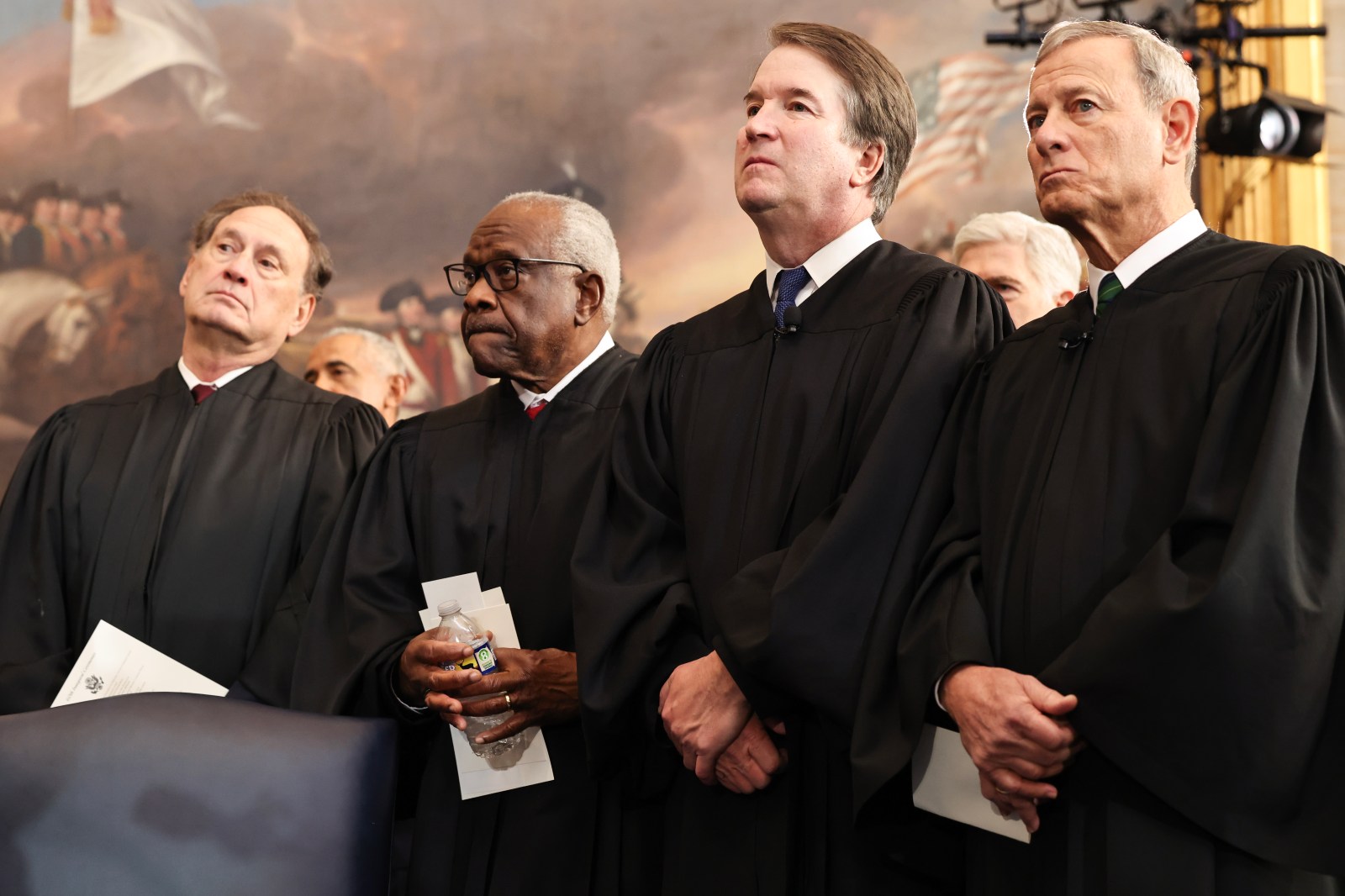
Public confidence in the Supreme Court has reached historic lows, spurring Democratic lawmakers to intensify their efforts to reform the highest court in the U.S., even though the chances of success seem slim.
Various Democratic proposals are in discussion, including a constitutional amendment and legislation to replace lifetime appointments with 18-year terms. Advocates argue that these changes could modernize the court and rebuild public trust, while opponents claim they might jeopardize judicial independence.
Challenges Facing Reform Efforts
Despite growing Democratic support, these proposals encounter significant political and legal challenges. Republicans control Congress, making it difficult to pass reforms. Additionally, constitutional amendments require substantial legislative backing, and legal scholars are divided on whether Congress alone can impose term limits.
Representative Ro Khanna from California, a staunch advocate of Supreme Court reforms, highlighted voter support for term limits, referencing a 2024 Fox News poll where 78% of voters backed 18-year limits for justices. Khanna emphasized the necessity of voting on his legislation, arguing that the current court has lost moral authority.
The Rise of the Reform Movement
The Democratic push for restructuring follows the court’s shift to a 6-3 conservative majority after appointments by President Donald Trump. Recent court rulings have altered key issues like abortion rights and gun laws, with several justices embroiled in ethics controversies.
Although reform appears unlikely, public support for term limits is broad, with recent polls indicating bipartisan agreement. Democratic representatives continue to propose legislation and amendments, aiming to harness public sentiment to advance reforms that might alleviate political tensions over judicial appointments.
However, conservative leaders firmly oppose these changes, seeing them as threats to judicial independence. Utah Senator Mike Lee argues term limits would be an abuse of power, while Chief Justice John Roberts defends life tenure as a safeguard for judicial independence.
Momentum Behind Term Limit Proposals
Democratic Representative John Olszewski supports a constitutional amendment to impose 18-year term limits. His office underscores bipartisan support for this reform, urging Congress to advance legislative and constitutional amendments concurrently.
Representative Hank Johnson reintroduced legislation for 18-year terms, proposing that justices move to senior status after active service. This approach has gained significant co-sponsor support, reflecting growing momentum among Democrats to address the court’s legitimacy concerns.
Khanna and others have advanced proposals for regular two-year appointment intervals, allowing predictable nominations by each president.
Declining Public Confidence
Public approval of the Supreme Court has diminished following Trump’s appointments. Critics argue the court appears more partisan, while supporters claim the justices uphold constitutional interpretations. Recent landmark decisions on abortion, presidential powers, and gun rights contribute to the perception of ideological divisions.
Public ethics issues with justices have further eroded trust, despite the introduction of a formal code of conduct in 2023.
Polls Reflecting Public Sentiment
Polls show significant public backing for term limits, with the latest data indicating Republican, independent, and Democratic support. For instance, 78% of Americans favor term limits, according to a 2024 Fox News poll, while a Marquette poll highlights the court’s perceived conservative bias.
Challenges and Future Prospects
Despite bipartisan polling support, current reform efforts concentrate on Democratic backing, with Republicans expressing little interest. A constitutional amendment faces daunting hurdles, requiring widespread legislative and state support.
Even with potential Democratic control of Congress, passing term-limit legislation might provoke constitutional challenges. However, Democrats remain determined to maintain the dialogue, hoping public dissatisfaction with the court will sustain the push for reform.