Democrats Aim for Structural Changes After Midterm Gains
Recent midterm election results have prompted Democrats to consider significant changes to solidify their power. Despite media attention, the shift resembles historical patterns seen under previous administrations. For instance, Republicans lost approximately 46 seats, which is moderate compared to losses under Franklin D. Roosevelt, Barack Obama, Harry Truman, and Bill Clinton.
Donald Trump’s administration may see similar shifts. Some presidents, like Obama, faced considerable losses at midterms yet secured another term. This history underscores that current changes might not be permanent. Nevertheless, Democrats are acting swiftly to position themselves advantageously for future elections.
Plans include measures to diminish the influence of the Electoral College, enhancing the power of populous states like California and New York. Observers note trends towards disbanding the filibuster and adding states such as D.C. and Puerto Rico to bolster Democratic majorities.
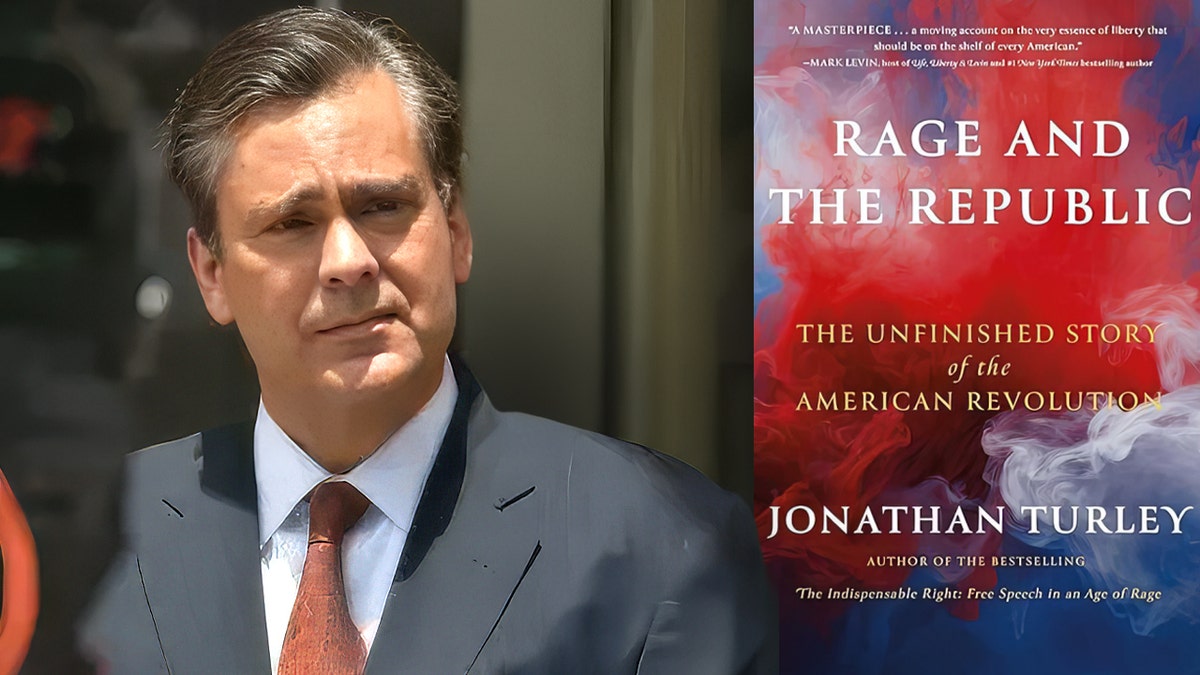
“Rage and the Republic,” a recent book by Jonathan Turley, addresses these discussions about constitutional changes.
Some political strategists suggest packing the Supreme Court with liberal justices to support legislative objectives otherwise at risk of being overturned. Past proposals include expanding statehood to future Democratic strongholds and ensuring a supportive presidency.
Achieving these goals requires tackling historical constitutional protections. The Framers designed the Electoral College to balance interests between populous and smaller states. Through history, this mechanism intended to safeguard political minorities. Today, the concept faces significant debate.
Turley notes the growing call for the National Popular Vote Interstate Compact. This agreement allows states to allocate electoral votes based on the national popular vote. While its constitutionality remains untested, the compact sidesteps formal constitutional amendments, possibly leading to legal challenges.
While some advocate for direct democratic reforms, critics argue such shifts could destabilize the constitutional framework. Proponents of popular vote elections cite fairness concerns, but constitutionalists warn against drastic changes.
As political landscapes shift, the essence of debates around electoral processes reveals broader concerns about constitutional integrity and representative governance. The American historical context reminds readers of the importance of caution in addressing systemic alterations.
Jonathan Turley, a Fox News Media contributor and professor of public interest law, explores these issues in “Rage and the Republic.” A recognized legal scholar, Turley has contributed extensively to constitutional law discussions and has provided expert testimony in significant legislative hearings.