Democrats Eye Electoral College Change with Recent Wins
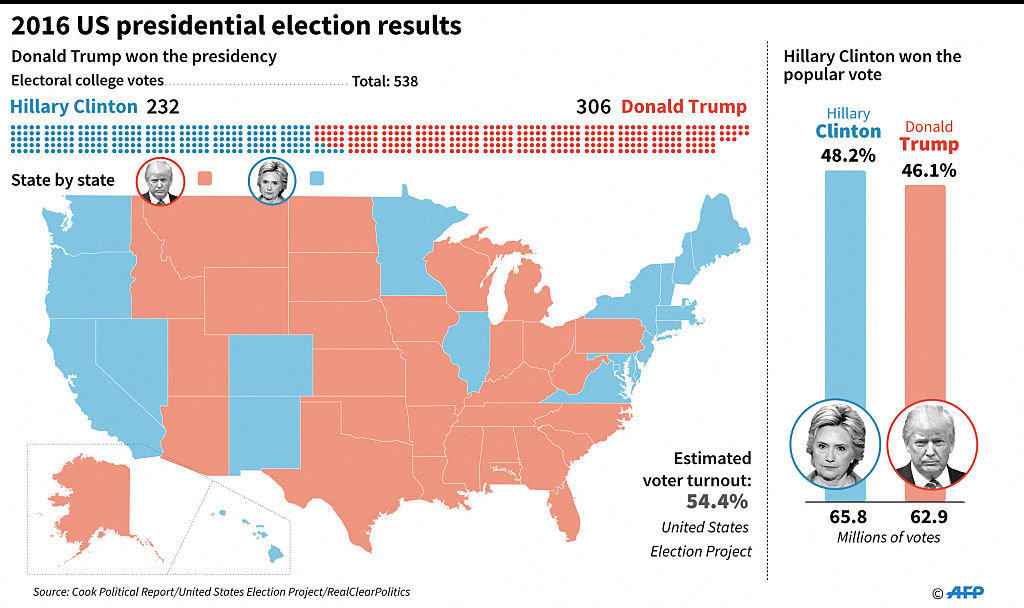
Recent election victories have provided Democrats with a new opportunity to address a longstanding element of U.S. electoral politics that has impacted the party in previous presidential contests: the Electoral College. Officially removing this system, where presidents are elected through state elector slates instead of direct popular votes, requires a constitutional amendment. However, states can effectively neutralize it by joining the National Popular Vote Interstate Compact. For this change to take effect, member states must represent at least 270 electoral votes, the number needed to win the presidency. Eighteen Democratic-led states and the District of Columbia, with 222 electoral votes together, have already joined the compact. With new control over several state legislatures and governorships following the recent midterms, Democrats are closer to reaching the necessary threshold.
Understanding the National Popular Vote Interstate Compact
The compact involves states allocating their electoral votes to the candidate winning the national popular vote. This contrasts with the current system, where almost every state grants all its electors to the state-level popular vote winner. The compact aims to ensure the candidate receiving the most votes nationwide becomes president. Historically, the electoral system has allowed candidates to win the presidency without securing the popular vote, as seen in 2016 and 2000.
The concept of states working together to bypass the Electoral College and establish a national popular vote system arose after the controversial 2000 election. Legal scholars Akhil Amar and Vikram Amar outlined a similar idea, leading to the compact’s creation in 2006. Currently, 18 states, including California, Colorado, and New York, are members, along with Washington D.C.
Impact of Recent Electoral Gains
This month, Democrats secured control of the legislative and executive branches, known as trifectas, in five additional states: Pennsylvania, Michigan, Arizona, Wisconsin, and Nevada. If these states join the compact, it would surpass the 270-vote requirement. With Pennsylvania and Michigan’s participation, the compact could reach its goal with even fewer states.
Pennsylvania Governor Josh Shapiro has expressed support for the national popular vote, while Michigan legislative leaders are also considering the option, despite anticipated legal challenges.
Constitutional Considerations and Potential Challenges
The compact’s constitutionality is debated, with potential legal challenges looming. Lawrence Lessig of Harvard Law School argues it aligns with the Constitution, granting state legislatures the power over elector selection. Opponents cite the Constitution’s “compact clause,” concerned about state agreements threatening federal authority. However, supporters believe it resides within state jurisdiction and does not infringe federal powers.
Effects on Future Presidential Elections
If implemented, the compact would make the national popular vote decisive in elections, changing the campaign strategy significantly. It would compel candidates to campaign nationwide instead of focusing on pivotal swing states, leading to potentially higher campaign costs.
The compact promotes the principle of “one person, one vote” but raises logistical questions. Concerns about fair implementation, recount scenarios, and states manipulating voter eligibility could arise. Some argue for delaying the compact’s enactment to address partisan disparities and potentially build momentum for a constitutional amendment.
Vikram Amar suggests that bipartisan backing for a version of this initiative could eventually lead to congressional efforts to amend the Constitution, aiming to abolish the Electoral College permanently.