Democrats Gain Ground in 2026 Midterms Amid Republican Challenges
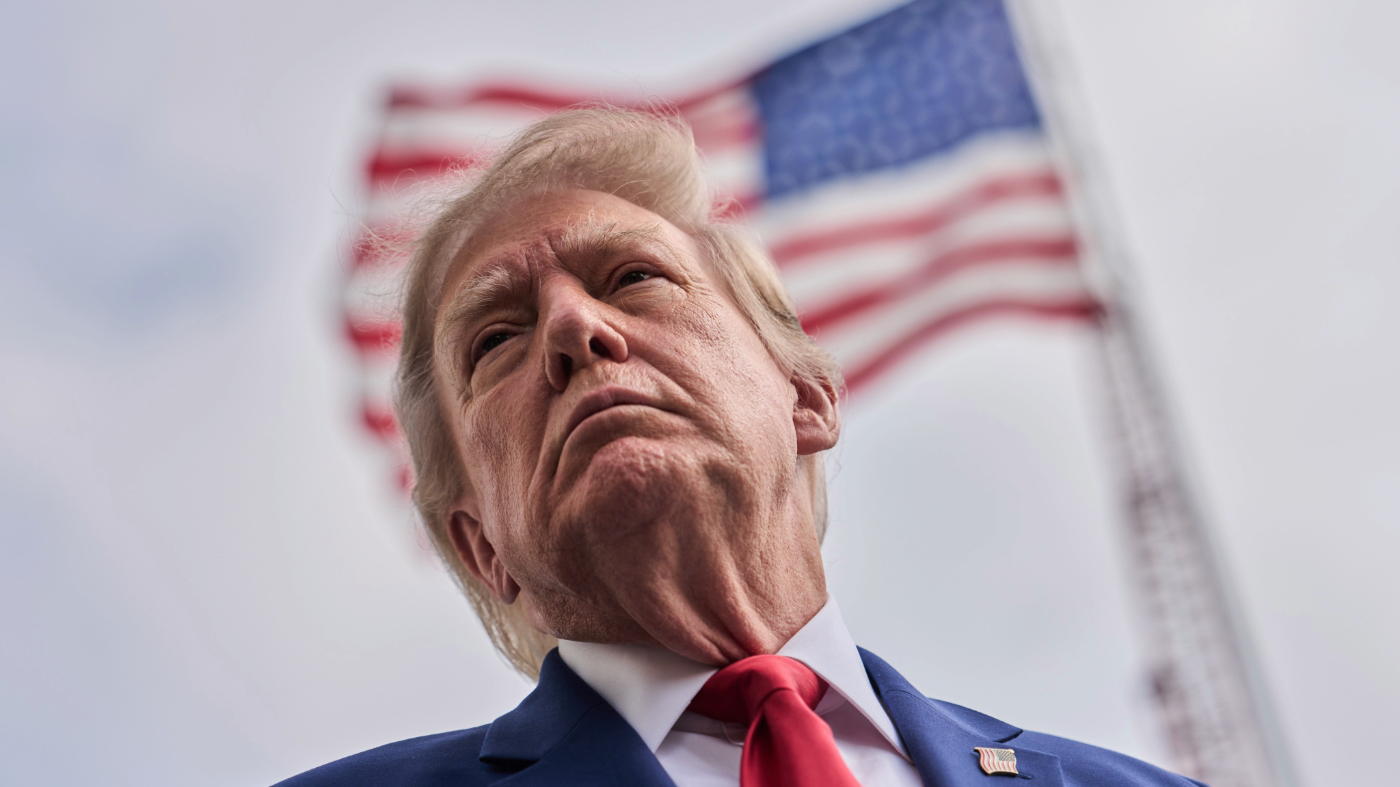
On October 16, 2026, President Donald Trump addressed reporters before boarding Marine One at the White House. Behind him, the American flag waved as a backdrop to his latest remarks. The midterm elections of this year saw a staggering ad spend of over $11.21 billion. This figure surpassed the ad expenses during the 2024 presidential cycle, peaking at $11.2 billion. Campaign spots were everywhere, from social media to television and even on billboards, marking the 2026 midterms as inescapable for the public.
Despite the massive spending, Republican efforts to persuade voters that they could address Trump’s deepening economic challenges proved ineffective. The party entered the midterms burdened by an unpopular president and an affordability crisis. The GOP’s campaign efforts faltered, alienating many of their 2024 supporters. The election results showed a Democratic wave, substantively confirmed by the noticeable wins the party achieved across various states.
High-profile Democratic victories emerged in the Senate, with wins in Kansas, Iowa, Texas, Ohio, South Carolina, and North Carolina, showcasing significant support. In Texas, James Talarico defeated Ken Paxton, Trump’s chosen candidate, by nearly 20 points. The Democrats made significant progress in the traditionally Republican South, flipping governor’s offices in Texas and Georgia. Notably, Keisha Lance Bottoms became Georgia’s first Black female governor.
“We’ll work with the Democrats, and we’ll, you know, look forward to working with them,” Trump conceded, acknowledging the election results as legitimate during an interview with The New York Times.
The results reflected a weakening of Trump’s influence within the party, marked by breaks from him on several issues by figures such as Florida Governor Ron DeSantis. Prominent Trump allies, including Rep. Scott Perry, lost their seats, reducing Trump’s support in Congress as he enters 2027.
Democrats, conversely, capitalized on Trump’s policy failures to unite their factions around a message of economic affordability. This resonated with diverse voter groups including Latinos, Arab Americans, young people, and independents. While affordability and public corruption were high on voters’ concern lists according to AP exit polling, the majority held Trump responsible for worsening their economic conditions.
The GOP now faces deep challenges, compounded by disillusioned voters and a disheartened party base. Amid these hurdles, their connection to Trump remains strong, complicating efforts to pursue a fresh direction moving forward.
Max Burns, a seasoned Democratic strategist, highlights these dynamics as a vindication for Democrats while pointing to the GOP’s present struggles as reminiscent of the Bush administration’s decline during the 2008 financial crisis.